





Website by 
Resources
Restoring Original Hardwood Floors in Rochester's Older Homes
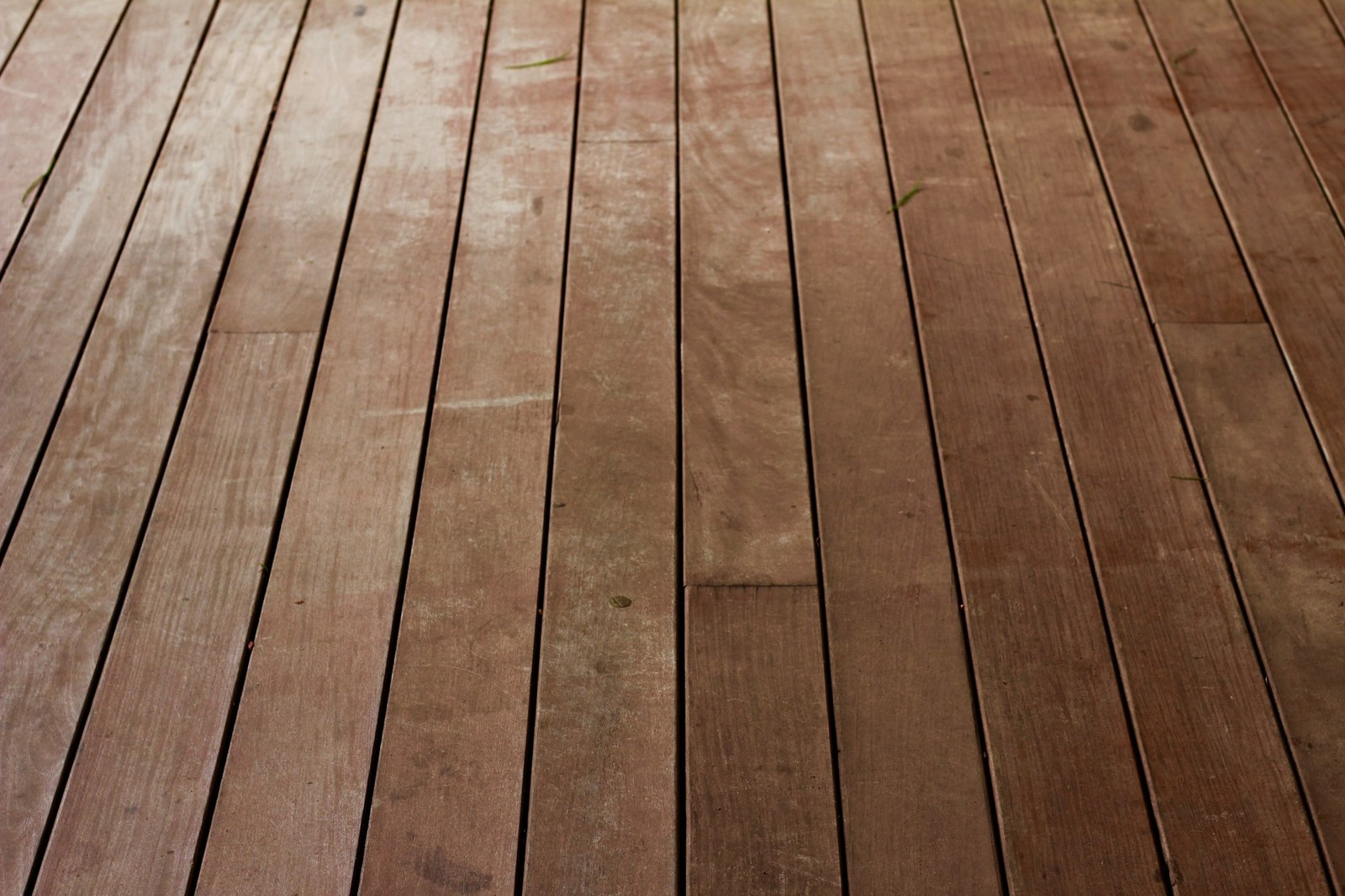
One of the great pleasures of buying an older Rochester home is pulling back a corner of tired wall-to-wall carpet and finding oak underneath. Sometimes it is red oak strip flooring from the 1920s, sometimes quartersawn white oak with a beautiful ray fleck, sometimes maple or heart pine. Almost always it is better wood than anything you could buy today, and almost always it looks terrible at first glance.
The question is whether it can be saved. In our experience across Monroe County's century homes, the answer is yes far more often than homeowners expect. Here is how to tell what you have and what it will take.
Why Old Floors Are Worth Saving
The floors in Rochester's pre-war homes were milled from old-growth timber, which is denser, tighter grained, and more stable than most of what is harvested now. They were installed as solid boards, typically three quarters of an inch thick, which means they can be sanded and refinished multiple times over a very long life. Modern engineered flooring has a thin wear layer and can often be refinished once, if at all.
There is also the character. A hundred years of use produces a patina and a subtle unevenness that no factory finish reproduces. And in a historic home, original floors are part of what makes the house worth what it is worth. Ripping them out for new flooring is usually both more expensive and less desirable.
Assessing What You Have
Before deciding anything, find out three things:
- How much thickness is left. Pull an air vent or look at a doorway threshold to see the board in cross-section. You need enough wood above the tongue to sand. A floor that has already been refinished three or four times may have very little left, and sanding through to the tongue ruins it.
- What the damage actually is. Surface scratches, pet stains, and old finish are cosmetic and sand out. Deep gouges, water damage that has cupped or crowned the boards, and buckling from a past flood are structural and may need board replacement.
- What is under the finish. Old floors in this region often have layers of shellac, wax, varnish, or paint, plus carpet tack strip holes along the perimeter and adhesive residue if vinyl or linoleum was glued over them. All of that affects the approach.
One important caution for older homes: floors under adhesive, and old resilient tile that may lie beneath, can contain materials that require careful handling. Anyone working on a pre-1980 floor should know when to test rather than sand blindly.
Refinish, Repair, or Replace
- Screen and recoat. If the finish is worn but the wood beneath is sound and unstained, a light abrasion and a fresh coat renews the floor for a fraction of the cost of a full sanding, and it uses up none of the remaining thickness. Always worth asking about first.
- Full sand and refinish. The standard restoration. The floor is sanded back to bare wood, repairs made, then stained if desired and finished. This is what turns a floor that looks hopeless into one that looks extraordinary, and it consistently surprises homeowners.
- Board replacement and weaving. Damaged boards, patched areas where a wall or a register used to be, and the gap left behind when a wall comes down all get addressed by weaving in matching boards so the repair disappears into the field. This is genuine craftsmanship and it is the difference between a restored floor and an obvious patch.
- Partial replacement with matching stock. Reclaimed boards of the same species and cut can often be sourced, which matters for a historically accurate result.
Judging whether a floor has enough life left to sand, and whether a damaged section can be woven in convincingly, is exactly the kind of call that benefits from having seen a few hundred of these floors. Have Ember Works take a look at your floors before you carpet over them or tear them out.
Finish Choices, and What They Mean in Our Climate
- Water-based polyurethane. Dries fast, low odor, and stays clear rather than ambering over time, so it preserves a lighter, more natural look. Very durable in modern formulations.
- Oil-based polyurethane. The traditional choice. Ambers with age, which many people love on oak, extremely durable, but slower to cure and much stronger smelling during application.
- Penetrating hardwax oil. A matte, natural, in-the-wood look that is very repairable spot by spot, without the plastic sheen. Requires periodic maintenance coats.
- Sheen level matters more than people expect. High gloss shows every scratch, dust particle, and pet nail. Satin and matte are far more forgiving and read as more current.
A note on our winters: Rochester homes swing from humid summers to very dry heated winters, and wood moves with that. Some seasonal gapping between boards in February is normal and expected on a solid wood floor, not a defect. Running a humidifier through the heating season reduces it and is good for the floors, the trim, and the people.
Living Through It
Floor refinishing is disruptive but short. The rooms have to be emptied, the work is dusty even with modern dust-containment sanders, and the finish needs cure time before furniture goes back and considerably longer before rugs do. Planning it between other phases of a remodel, or before you move in, saves an enormous amount of hassle. If it is part of a larger renovation, refinishing should happen near the end, after the dusty work is finished but before the final trim and touch-up.
The Best Flooring in the House Is Already There
Original hardwood is one of the reasons people buy Rochester's older homes in the first place. It is almost always salvageable, it is usually cheaper to restore than to replace, and the result is something you cannot buy new at any price. Before you cover it or pull it, find out what it is.
As a design-build firm, Ember Works works on a lot of century homes, and floors are part of nearly every project. Our team assesses what is there honestly, tells you when a screen and recoat will do rather than selling you a full sand, and weaves repairs so they disappear. With 60 plus years of combined hands-on experience, our crew has restored a great many of this region's original floors. Ember Works designs and builds restorations and renovations across Rochester, Monroe County, and Western New York.
Ignite Your Home's Potential with Ember Works!
Call us today: 585-465-1674
Contact Us: www.emberworksroc.com/contact-us
Ready to Start Your Kitchen or Bathroom Project?
Ember Works is a design‑build firm in Rochester, NY. Our designers and our build team work under one roof, so you get a realistic budget before anything is drawn and one team accountable from the first sketch to the final walkthrough. We design and build custom kitchens and dream primary bathrooms across Rochester, Monroe County, and Western New York, backed by 60 plus years of combined hands-on experience.
‹ Back
Recent Posts
-
Shower Waterproofing: The Membrane Behind Your Tile You Never See
October 10, 2026
-

Two Cooks, One Kitchen: Designing a Layout That Does Not Collide
October 7, 2026
-
Wet Rooms: The Shower-and-Tub Layout Gaining Ground in Rochester
October 4, 2026
-
Ice Dams: Why They Form on Rochester Roofs and How to Stop Them
October 1, 2026
-
Designing a Primary Bathroom From Scratch: Layout and Plumbing Come First
September 28, 2026