





Website by 
Resources
Sump Pumps and Backup Power: Basement Insurance Before Winter
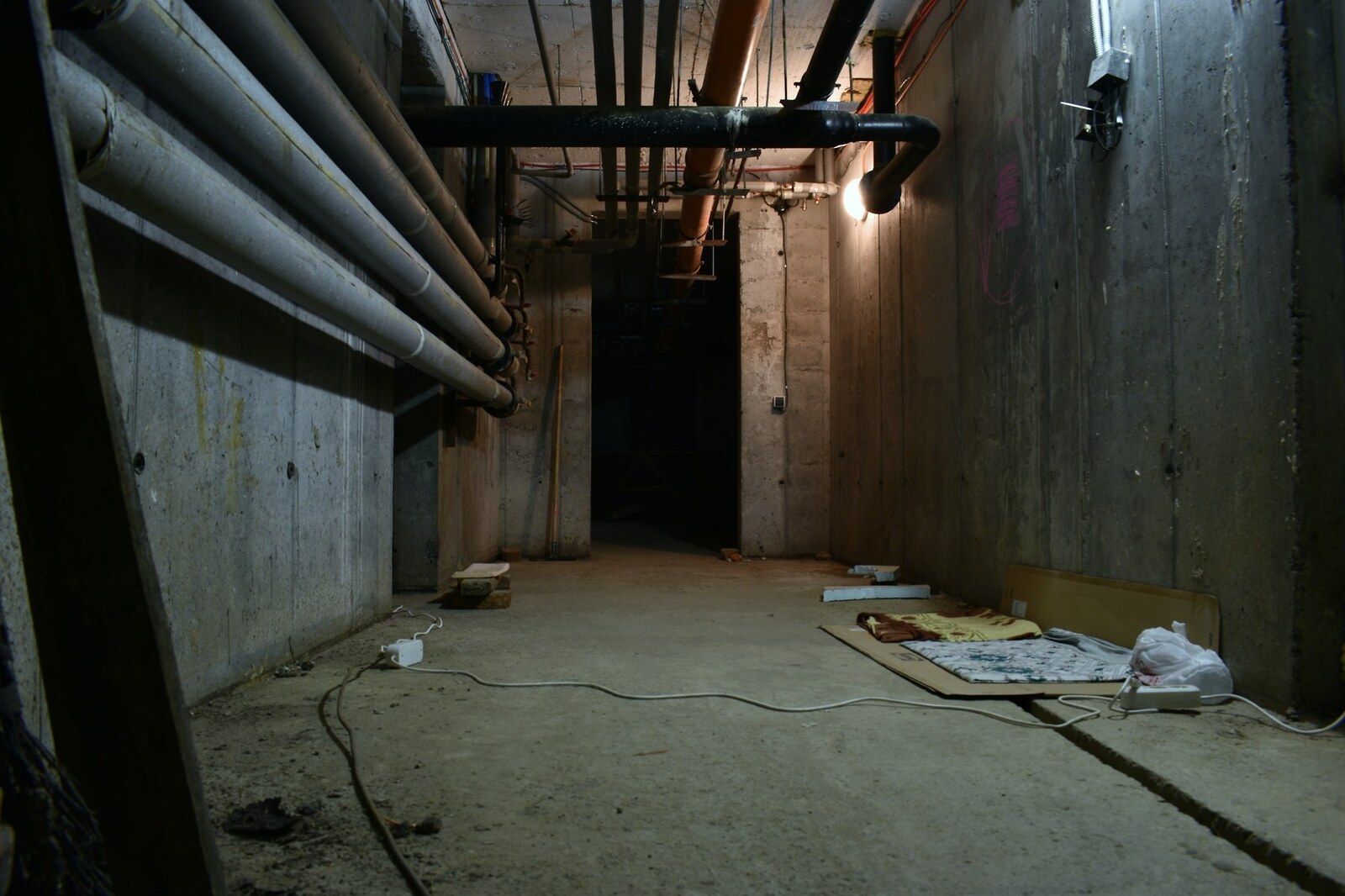
A sump pump is the least interesting piece of equipment in your house right up until the night it matters, at which point it is the only thing standing between a finished basement and several inches of water. In Rochester, that night usually arrives during a spring thaw or a heavy storm, and very often during a power cut caused by the same storm.
If you have a finished basement, or you are planning one, this is the system to get right before winter rather than after.
What a Sump System Actually Does
Groundwater around your foundation rises after heavy rain or snowmelt. A perimeter drain, the pipe running around the footing, collects that water and directs it to a pit, the sump, in the basement floor. A pump in that pit sends the water outside before it can rise above the slab.
It is a simple system with a small number of failure points, and every one of them fails at the worst possible time.
Where Sump Systems Fail
- Power loss. The storm that overwhelms your drainage is the same storm that takes the power out. A pump with no electricity is an ornament. This is the most common cause of a flooded basement in our region.
- The float switch. The most frequent mechanical failure. Switches stick, get caught on the pit wall, or wear out. The pump is fine; it simply never gets told to run.
- A frozen or blocked discharge line. Specific to climates like ours. If the outdoor discharge pipe ices up, the pump runs against a closed line, cannot move water, and burns out.
- Age. Pumps have a finite life measured in years, not decades. A pump that came with the house fifteen years ago is living on borrowed time.
- Undersized capacity for the volume of water the site actually produces during a thaw.
- A clogged pit. Silt, gravel, and debris accumulate and jam the impeller. A pit with no lid collects far more of it.
The Backup Is Not Optional
If there is one thing to take from this, it is that a single pump on household power is not a system, it is a single point of failure. There are three ways to add redundancy:
- A battery backup pump. The standard answer. A second pump on a deep-cycle battery that takes over when power fails or when the primary cannot keep up. It buys hours of runtime, which covers most Rochester outages. The battery needs replacing every few years and the system needs testing, or you discover it is dead on the night you need it.
- A water-powered backup. Runs on municipal water pressure with no electricity and no battery at all, using a venturi to move sump water. Extremely reliable and effectively unlimited runtime, but it uses a lot of city water while running and it is not an option on a well.
- A whole-house generator. Solves the sump problem and everything else, at a much higher cost.
Whichever you choose, add a high-water alarm. It is inexpensive and it tells you the water is rising while you can still do something. Modern versions will send an alert to your phone, which matters if you travel.
Getting the Discharge Right for Our Winters
This is the detail most specific to Western New York and the one most often botched.
- Discharge well away from the foundation. A line that dumps three feet from the wall is recycling the same water back into the drain, and the pump will run continuously.
- Never tie it into a sanitary sewer. It is prohibited in most municipalities and it overloads the system.
- Plan for freezing. A buried line that runs uphill or holds water will freeze solid. Lines should drain fully between cycles, and many installations here use a freeze-relief fitting near the house so that if the outdoor line ices up, the pump can still discharge at grade rather than dead-heading and burning out.
- Fit a check valve so the column of water in the pipe does not run back into the pit each time the pump stops, which makes it short-cycle and wear out.
- Keep the outlet clear of snow, ice, and leaves through the winter.
If you are planning to finish a basement, the sump and its backup should be settled before framing starts. Talk to Ember Works about your basement and we will make sure the water is handled before anything gets covered up.
Fix the Water Before It Reaches the Pit
A sump pump is the last line of defence, not the first. Before upgrading the pump, look at where the water is coming from, because reducing the inflow is cheaper than pumping it:
- Downspouts discharging at the foundation put an enormous volume of roof water straight into the ground beside your wall. Extending them is the single cheapest fix available.
- Grading that slopes toward the house, which in older Rochester neighbourhoods is common after decades of settling.
- Foundation cracks and deteriorated mortar joints giving water a direct path.
Homeowners often find the pump cycles far less after an afternoon of gutter and grading work.
Simple Maintenance, Twice a Year
Pour a bucket of water into the pit and confirm the pump starts, lifts the water, and shuts off cleanly. Check the float moves freely and is not fouled on the pit wall or the discharge pipe. Clear debris from the pit and make sure it has a lid. Test the backup by unplugging the primary. Replace the backup battery on schedule. Do this in autumn before freeze-up and again in early spring before the thaw, and you will have removed most of the risk.
Protect What Is Above It
A finished basement is a considerable investment sitting directly on top of a piece of equipment that costs comparatively little. Adding a backup, an alarm, and a properly detailed discharge line is inexpensive insurance, and it is far easier to do before the walls go up.
As a design-build firm, Ember Works treats water management as the first phase of any basement project rather than an afterthought. Our build team, with 60 plus years of combined hands-on experience, handles sump systems, discharge routing that survives a Rochester winter, drainage, and grading, then builds the finished space above it. Ember Works designs and builds finished basements across Rochester, Monroe County, and Western New York.
Ignite Your Home's Potential with Ember Works!
Call us today: 585-465-1674
Contact Us: www.emberworksroc.com/contact-us
Ready to Start Your Kitchen or Bathroom Project?
Ember Works is a design‑build firm in Rochester, NY. Our designers and our build team work under one roof, so you get a realistic budget before anything is drawn and one team accountable from the first sketch to the final walkthrough. We design and build custom kitchens and dream primary bathrooms across Rochester, Monroe County, and Western New York, backed by 60 plus years of combined hands-on experience.
‹ Back
Recent Posts
-
Sump Pumps and Backup Power: Basement Insurance Before Winter
October 13, 2026
-
Shower Waterproofing: The Membrane Behind Your Tile You Never See
October 10, 2026
-

Two Cooks, One Kitchen: Designing a Layout That Does Not Collide
October 7, 2026
-
Wet Rooms: The Shower-and-Tub Layout Gaining Ground in Rochester
October 4, 2026
-
Ice Dams: Why They Form on Rochester Roofs and How to Stop Them
October 1, 2026