




Website by 
Resources
Insulating a Rochester Century Home: What Actually Works
You know the rooms. The bedroom over the porch that never gets warm. The corner of the living room where you can feel the wall. The upstairs that is ten degrees hotter than the downstairs every July. In a Rochester home built before the Second World War, this is not bad luck. It is the building envelope telling you it was assembled in an era when fuel was cheap and nobody had heard of an air barrier.
Insulating an older home properly is one of the highest-value, least-glamorous things you can do to it. It does not photograph well. It changes how the house feels every single day for the rest of the time you own it, and it lowers what you pay to heat it through six months of Western New York winter.
Why Old Rochester Homes Leak
Houses in this region built before the 1940s typically have wall cavities that were left completely empty, or later filled with materials that have settled into the bottom third of the wall. But the bigger issue is usually not insulation at all. It is air.
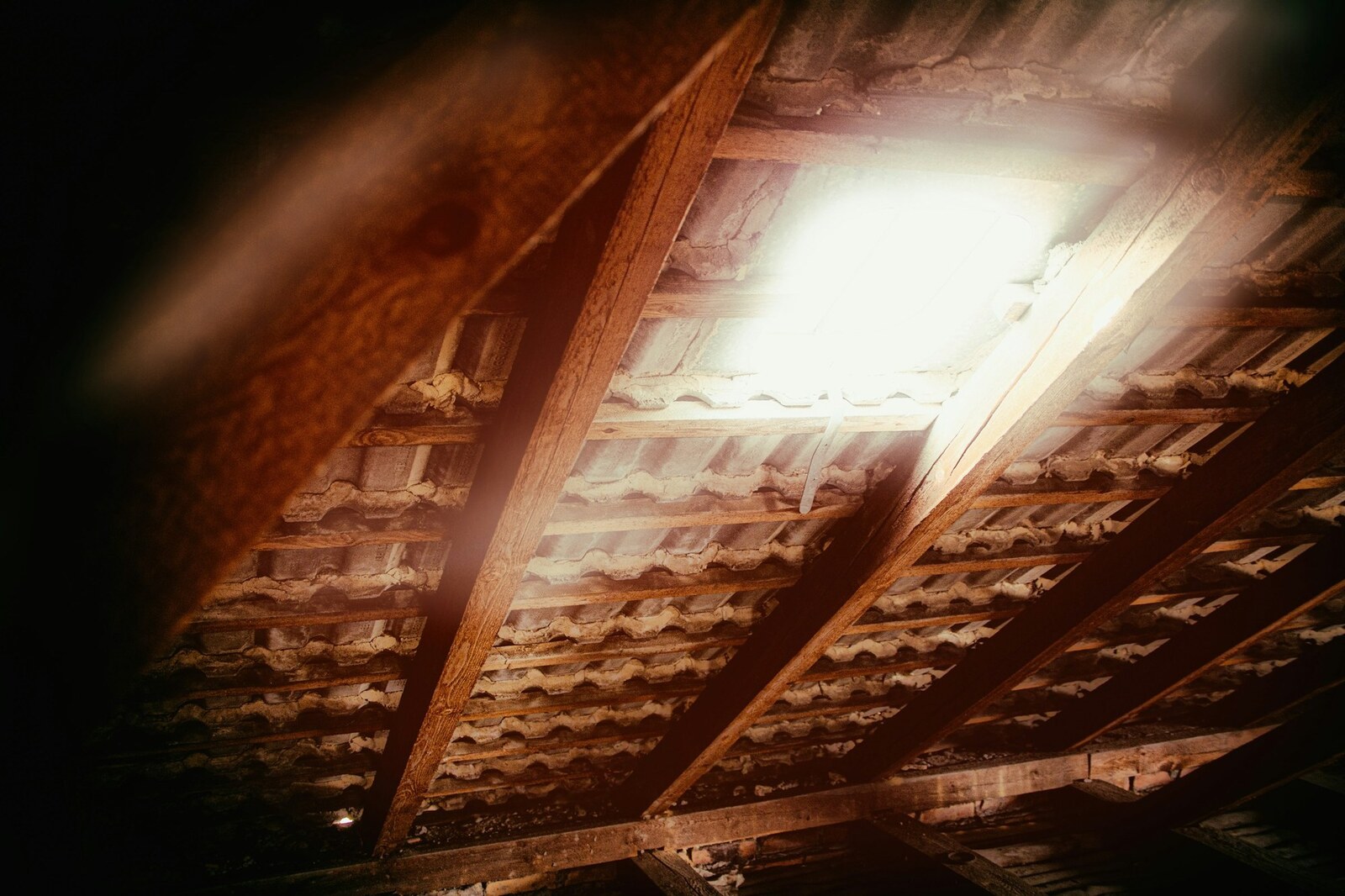
A century home is full of unintentional openings: gaps at the sill plate, around the rim joist, at plumbing and wiring penetrations, behind knee walls, at the top plates of interior walls that open directly into the attic, and around chimneys. Warm air rises, escapes through those upper leaks, and pulls cold air in through the lower ones. That constant convection is why a room feels drafty even when the windows are decent, and it is why adding insulation without air sealing gives disappointing results.
The order matters enormously: seal the air leaks first, then insulate. Insulation slows heat transfer. It does not stop moving air. Doing them in the wrong order wastes a lot of the money.
Where the Money Actually Goes Furthest
Not all insulation work returns the same value. In our climate and our housing stock, the priority order is fairly consistent:
- The attic floor, first and always. Heat rises, and the attic is where most of it leaves. Air sealing the attic floor penetrations and then bringing insulation up to a proper depth is the single best dollar-for-dollar improvement in most Rochester homes. It also cuts ice dams.
- The rim joist and basement band. That band of framing where the floor structure sits on the foundation is a notorious leak point, easy to reach, and cheap to seal and insulate. Big comfort improvement on the first floor.
- Knee walls and bonus rooms. Rooms over garages and behind attic knee walls are almost always the coldest in the house, because they have conditioned space on one side and unconditioned on the other, often with nothing but drywall between.
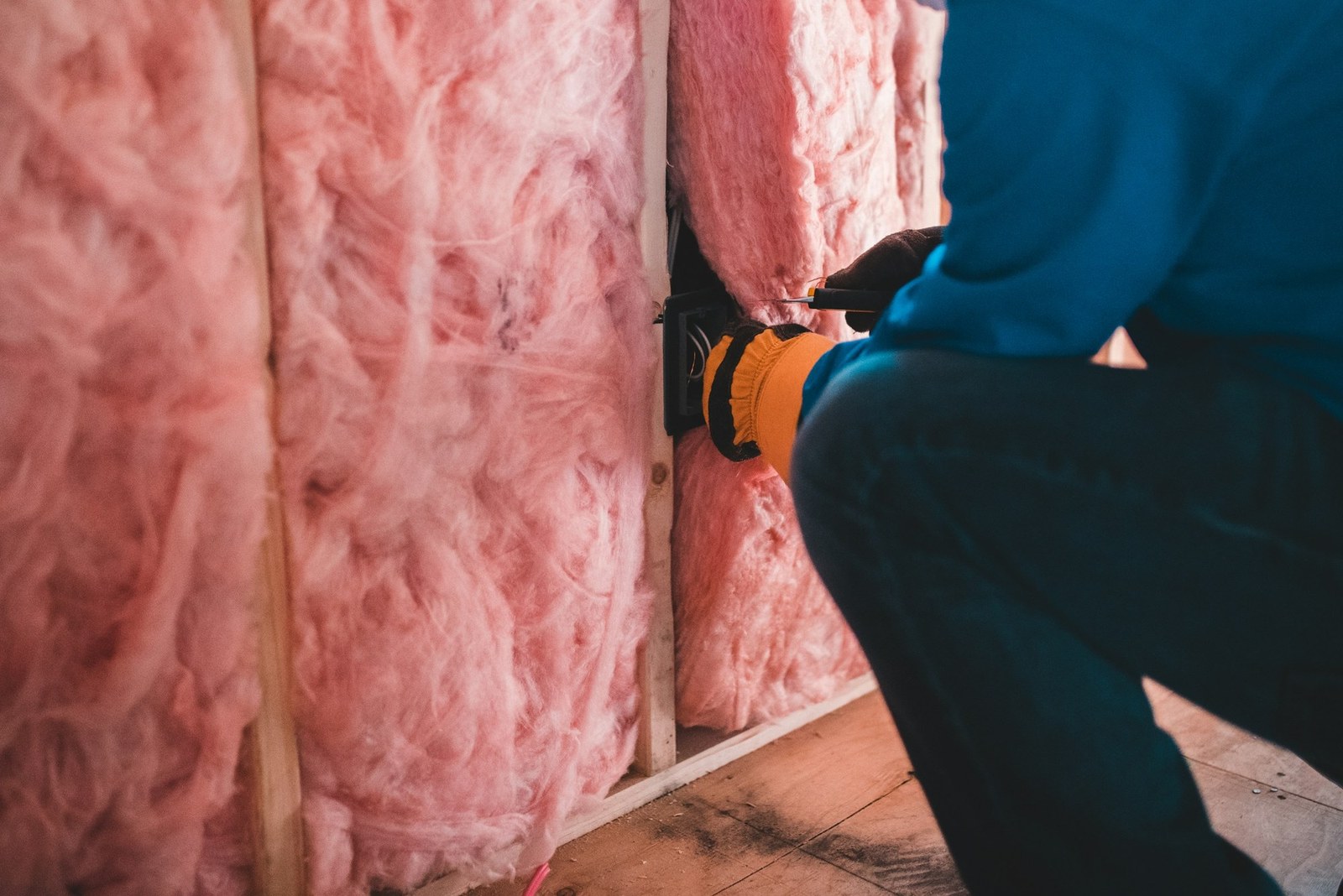
- Wall cavities. Dense-packed cellulose or blown fiberglass through small holes drilled in the siding or interior can fill empty walls without gutting them. This is a genuinely transformative upgrade in an uninsulated house, and it is far less invasive than people assume.
- Basement walls. Rigid foam against the foundation, done correctly, warms the whole first floor and makes a basement usable.
Where to start depends on your specific house, and a blower door test with an infrared camera will find the leaks that guessing never will. Talk to Ember Works about your older home and we will help you spend the insulation budget where it actually changes how the house feels.
The Moisture Rule Nobody Should Break
Here is the part that separates a good insulation job from an expensive mistake. When you insulate and air seal an old house, you change how moisture moves through its assemblies. Get it wrong and you trap water inside walls that used to dry out by leaking.
- Old walls dried by air movement. Once you fill and seal them, they have to be able to dry in at least one direction. That is a materials decision, not a guess.
- Vapor barriers belong on the warm side in a heating climate like ours, and doubling up on barriers so a wall cannot dry either way is a recipe for rot.
- Attic ventilation must be preserved. Blocking soffit vents with insulation is one of the most common errors we find, and it causes condensation and ice dams, the exact problems the work was meant to solve.
- Tighter houses need ventilation. A house that used to breathe through its leaks needs deliberate fresh air once you seal it. Bath and kitchen exhaust that actually vents outside is the baseline; a tight house may want a dedicated ventilation strategy.
- Test before you disturb. Homes built before 1978 may have lead paint, and older insulation and duct wrap in some houses can contain materials requiring careful handling. This is work for people who know when to stop and test.
Do It During the Remodel
The cheapest time to insulate is when the walls are already open for something else. If you are gutting a kitchen, redoing a bathroom, opening a wall, or rewiring, the incremental cost of insulating and air sealing that cavity is small compared to doing it as a standalone project later. This is one of the real advantages of planning renovation work with someone thinking about the whole house rather than one room.
The same applies in reverse: if a room has always been uncomfortable, the remodel is your one chance to fix the cause rather than add a space heater and live with it.
Comfort You Feel Every Day
Insulation and air sealing do not show up in listing photos, and they are the improvement homeowners consistently say they should have done sooner. Rooms hold their temperature. Drafts stop. The furnace runs less. Ice dams ease off. The house is quieter. And in a Rochester winter, that difference is not subtle.
As a design-build firm, Ember Works works in a lot of this region's century homes and treats the building envelope as part of the project rather than someone else's problem. Our build team, with 60 plus years of combined hands-on experience, air seals before insulating, protects attic ventilation, and respects how old assemblies need to dry. Ember Works designs and builds renovations across Rochester, Monroe County, and Western New York.
Ignite Your Home's Potential with Ember Works!
Call us today: 585-465-1674
Contact Us: www.emberworksroc.com/contact-us
Ready to Start Your Kitchen or Bathroom Project?
Ember Works is a design‑build firm in Rochester, NY. Our designers and our build team work under one roof, so you get a realistic budget before anything is drawn and one team accountable from the first sketch to the final walkthrough. We design and build custom kitchens and dream primary bathrooms across Rochester, Monroe County, and Western New York, backed by 60 plus years of combined hands-on experience.
‹ Back
Recent Posts
-
Interior Stairs and Railings: The Feature Hiding in Plain Sight
September 19, 2026
-

Kids' Bedrooms and Nurseries: Remodeling for a Growing Family
September 16, 2026
-
Patio or Deck? Choosing the Right Outdoor Surface for Your Yard
September 13, 2026
-
Deck Stairs and Access: Safety, Code, and Getting the Rise Right
September 10, 2026
-