





Website by 
Resources
What's Behind the Walls: Wiring and Plumbing in Rochester's Older Homes
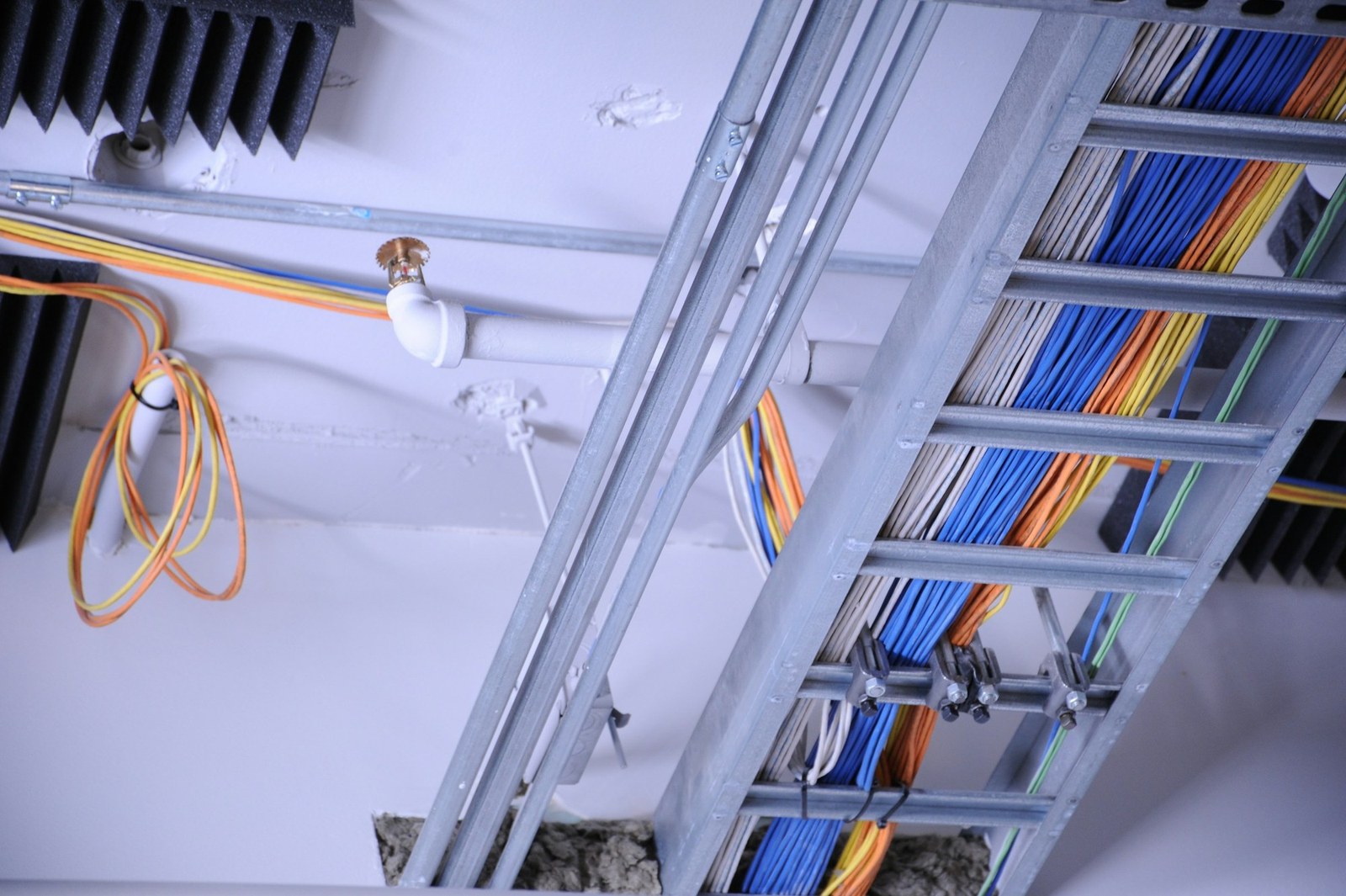
There is a moment in nearly every older-home renovation when the drywall or plaster comes off and everyone goes quiet for a second. Behind that wall is a hundred years of decisions made by people who are no longer available to explain them: cloth-wrapped wiring, a drain pipe that goes somewhere unexpected, a notch cut through a joist for a pipe, and a splice buried in the framing with no box around it.
This is normal. Rochester's housing stock is old, and old houses were wired and plumbed for a world with two circuits and one bathroom. Knowing what tends to be back there, and what it costs to deal with, is the difference between a renovation that goes sideways and one that simply has a line item for it.
The Electrical You Are Likely to Find
- Knob-and-tube wiring. The original system in many pre-1950 homes here: individual conductors run through ceramic knobs and tubes. It was competent work for its era, but it has no ground conductor, its insulation becomes brittle with age, and it is not designed to be buried in insulation, which is a real conflict when you are trying to insulate an old house. Insurers increasingly will not cover a home with active knob-and-tube, and lenders sometimes flag it.
- Ungrounded two-prong outlets. Extremely common, and a genuine limitation for modern electronics and appliances.
- An undersized panel. A 60 or 100 amp service was adequate once. Add a modern kitchen, air conditioning, an EV charger, and a finished basement and it is not.
- Buried splices and missing boxes. Connections made inside walls with no accessible junction box. These are code violations and a fire risk, and they are found constantly.
- Over-notched framing. Joists and studs cut too deeply to run wire or pipe, weakening structure that is now carrying your floor.
- Layers of amateur work. Decades of well-meaning additions by previous owners, spliced onto whatever was there.
The Plumbing Side
- Galvanized steel supply pipe. The standard for decades, and it corrodes from the inside. That is why the upstairs shower pressure is poor: the interior diameter has slowly closed up with scale. There is no fixing it short of replacement.
- Cast iron drain stacks. Often still serviceable, sometimes rusted through at the base where you cannot see, and always heavy and awkward to modify.
- Lead components. Older homes may have lead in supply lines, service lines, or in the bends beneath fixtures. This is worth identifying and addressing, particularly where drinking water is involved.
- Improper venting. Drain lines need vents to work. Older systems and later amateur additions frequently lack proper venting, which is why a sink gurgles or a trap siphons dry and lets sewer gas in.
- Undersized or wrongly sloped drains, particularly on lines added later.
- Pipes in exterior walls. A recipe for a freeze in a Rochester January, and something to correct whenever a wall is open.
How to Stop This From Wrecking Your Budget
The problem with these discoveries is not usually the cost of fixing them. It is that they arrive mid-project, unbudgeted, when the schedule is already committed. A few things genuinely help:
- Investigate before you finalize the budget. Opening a small, strategic section of wall or ceiling during planning, looking in the basement at what runs where, and checking the panel tells you most of what you need to know. That is a couple of hours of work that can reshape a whole project plan.
- Carry a real contingency. On a pre-war Rochester home, a contingency line is not pessimism, it is arithmetic. If it goes unused, that is a good day.
- Agree in advance how surprises get handled. Who decides, how it gets priced, how fast. A contractor who has a clear answer to that question has been here before.
- Sequence upgrades with open walls. The marginal cost of rewiring a room whose walls are already open is a fraction of doing it later. This is the single biggest saving available in an old-house renovation.
Getting a realistic read on what is behind your walls before the budget is set is exactly the kind of thing that separates a project that lands on target from one that does not. Have Ember Works assess your home first and we will tell you what we expect to find and what it will cost to do right.
What Is Actually Worth Upgrading
Not everything old needs replacing, and a contractor who says otherwise is not doing you a favor. Sound cast iron drains can stay. Original framing is usually excellent. What genuinely deserves attention:
- Active knob-and-tube in areas being renovated or insulated.
- Galvanized supply lines, because they will only get worse and a repipe is far easier with walls open.
- Panel capacity, if you are adding a kitchen, air conditioning, a basement, or an EV charger.
- Grounding and GFCI protection in kitchens, baths, basements, and exteriors. This is a safety baseline.
- Any buried splice, missing box, or over-notched member you uncover.
- Venting corrections where drains are not working properly.
One more note for pre-1978 homes: lead paint is likely present on trim and plaster, and disturbing it requires safe work practices. Anyone opening walls in a house of this age should know that and work accordingly.
Old Houses Are Worth It
None of this is an argument against Rochester's older homes. They are built from better materials, with better proportions and more character, than almost anything constructed since. But they come with a century of accumulated systems, and the honest way to renovate one is to look before you price it, budget for what is realistically back there, and fix the important things while the walls are open.
As a design-build firm, Ember Works investigates during design instead of discovering during demolition, so the number we give you accounts for the house you actually own. Our build team, with 60 plus years of combined hands-on experience, has opened a great many walls in this region and knows what tends to be behind them. Ember Works designs and builds renovations and restorations across Rochester, Monroe County, and Western New York.
Ignite Your Home's Potential with Ember Works!
Call us today: 585-465-1674
Contact Us: www.emberworksroc.com/contact-us
Ready to Start Your Kitchen or Bathroom Project?
Ember Works is a design‑build firm in Rochester, NY. Our designers and our build team work under one roof, so you get a realistic budget before anything is drawn and one team accountable from the first sketch to the final walkthrough. We design and build custom kitchens and dream primary bathrooms across Rochester, Monroe County, and Western New York, backed by 60 plus years of combined hands-on experience.
‹ Back
Recent Posts
-
Ice Dams: Why They Form on Rochester Roofs and How to Stop Them
October 1, 2026
-
Designing a Primary Bathroom From Scratch: Layout and Plumbing Come First
September 28, 2026
-
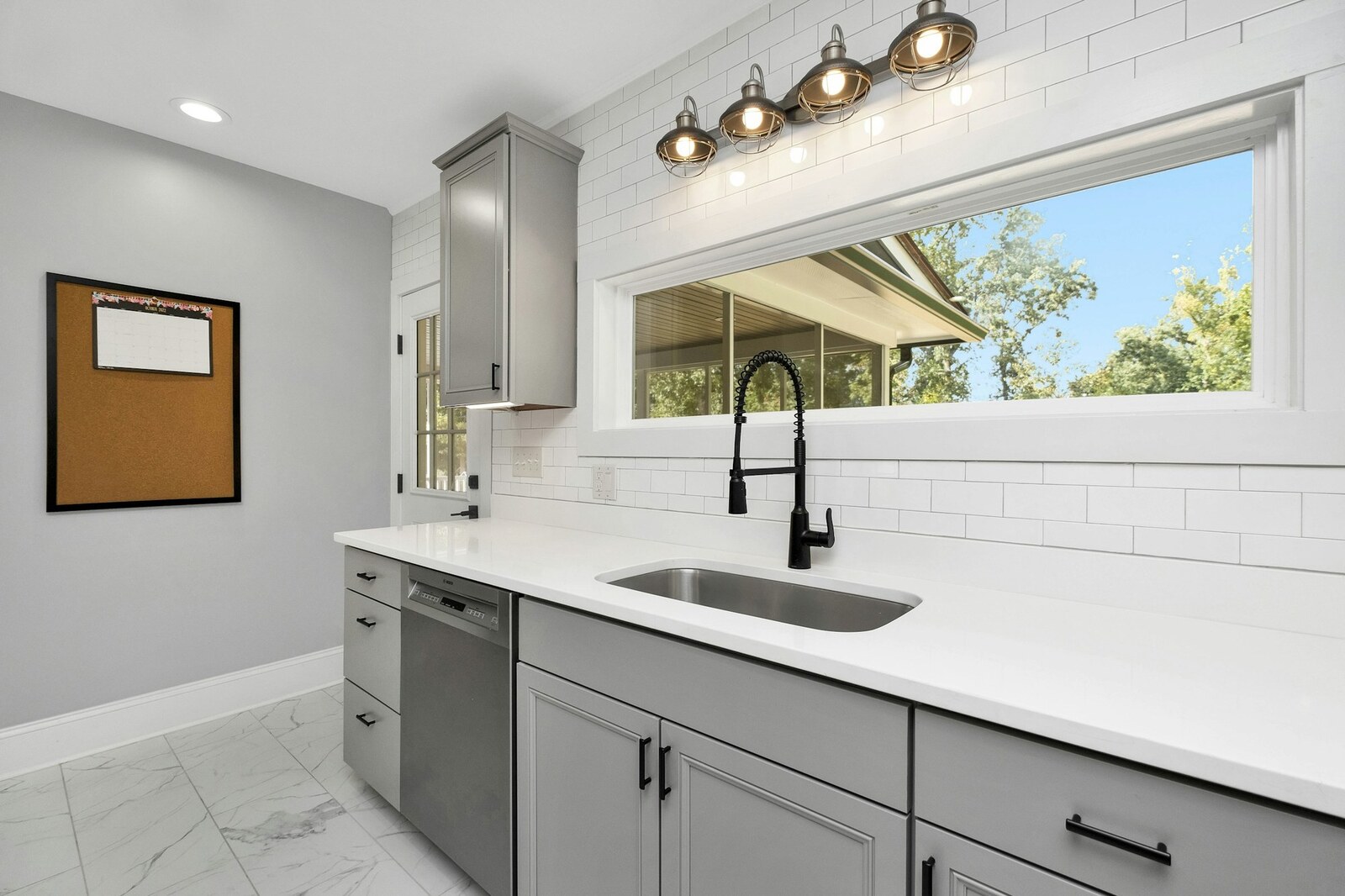
Kitchen Work Zones: Why the Work Triangle Is Not Enough Anymore
September 25, 2026
-

Choosing Paint Colors That Actually Work in Rochester's Light
September 22, 2026
-
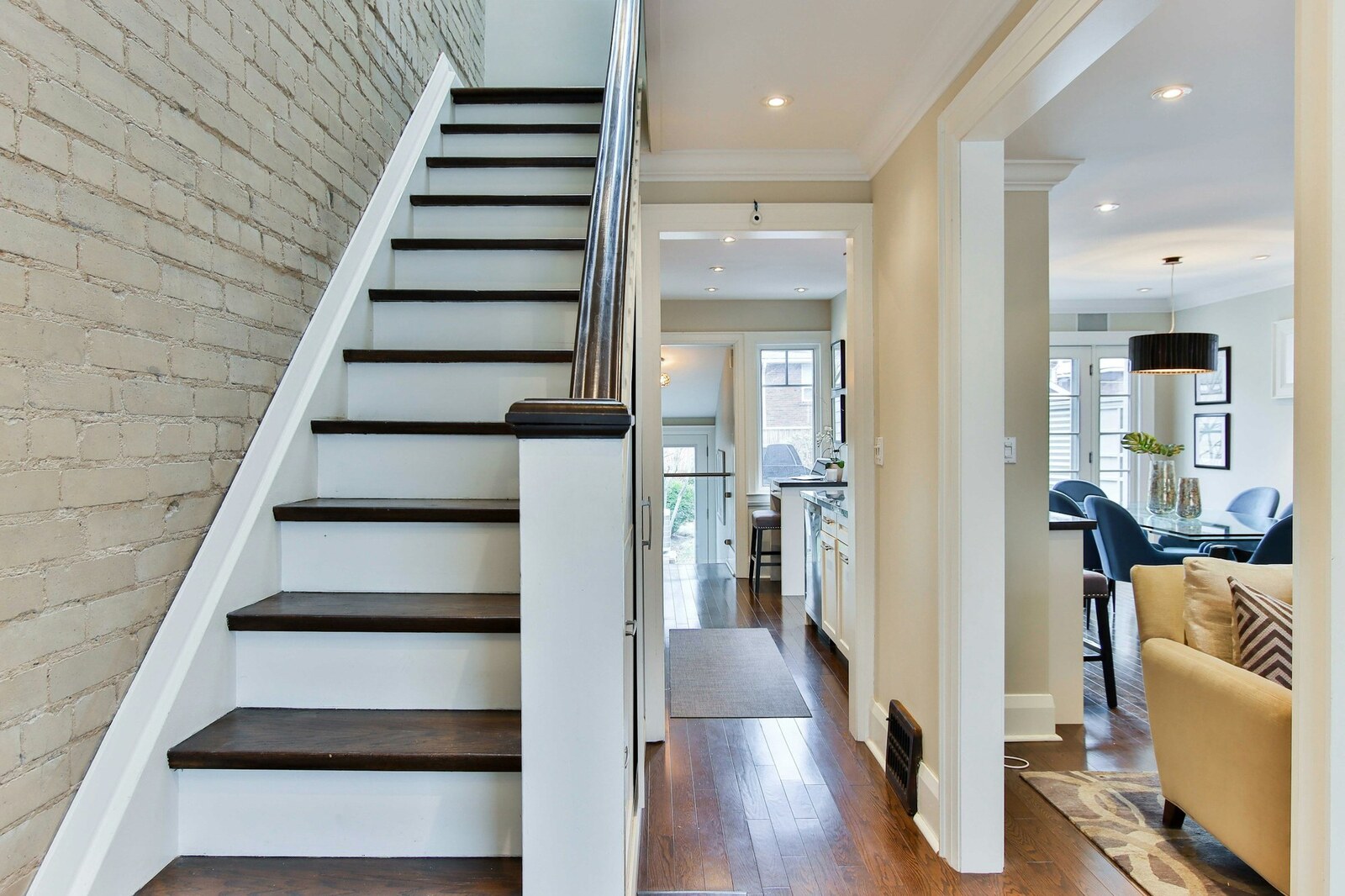
Interior Stairs and Railings: The Feature Hiding in Plain Sight
September 19, 2026