



Website by 
Resources
Front Entry Doors and Porticos: Curb Appeal That Starts at the Door
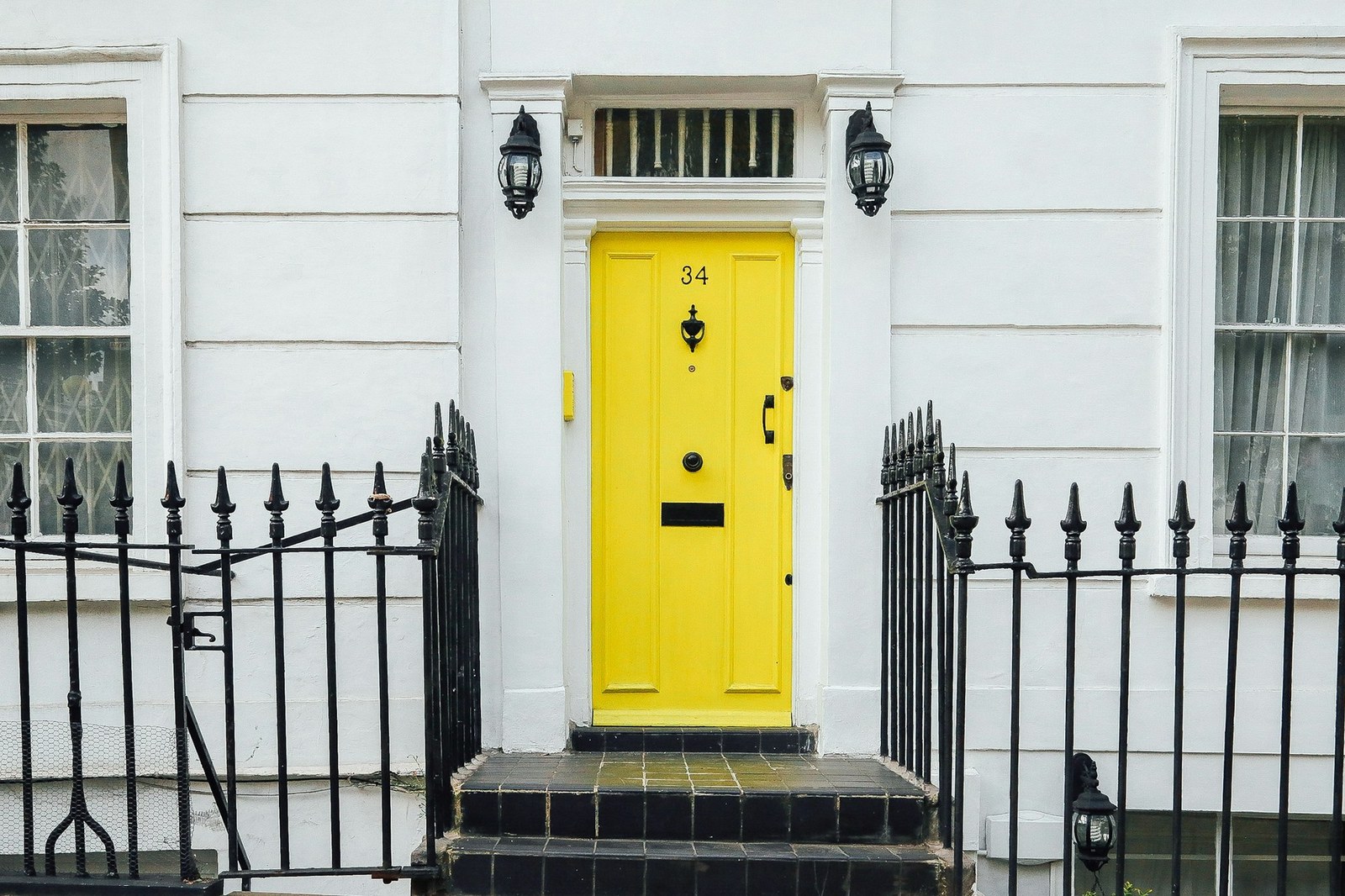
Your front door is the single most looked-at square footage on your property. It is what people see from the street, what guests stand in front of while they wait, and what you walk through several times a day. In most Rochester homes it is also original equipment: a door that has been swelling in summer, shrinking in winter, and leaking air around a worn threshold for decades.
Replacing an entry door, and giving it a proper covered entry, is one of the smallest projects with the largest visible return. It changes the face of the house, it stops a real energy leak, and it does both for a fraction of what a room costs.
What an Old Entry Door Is Costing You
An entry door is a big hole in your building envelope with a moving part in it. When it has aged out, you feel it:
- Air leakage around the perimeter. Worn weatherstripping and a sagging threshold let cold air pour in at ankle level all winter. Hold a hand near the bottom corner on a windy January day and you will find it.
- A door that does not fit its frame anymore. Wood doors move with humidity, and old frames settle. A door that sticks in August and rattles in February is not sealing in either season.
- Poor security hardware. Old strike plates screwed into trim rather than framing are a genuine weakness, regardless of how good the lock is.
- Water damage at the sill. If the entry is unprotected, decades of rain and snowmelt have likely gone into the threshold, the subfloor, and sometimes the framing below.
Choosing the Door Itself
There are three real materials, and in our climate they behave very differently.
- Fiberglass. The pragmatic choice for most Rochester homes. It does not warp, swell, rot, or dent, it insulates well because of its foam core, and modern grain-textured versions with a quality stain finish are genuinely convincing as wood. It handles freeze and thaw cycling without complaint and needs very little maintenance.
- Solid wood. Nothing else looks or feels quite the same, and on a historic home a proper wood door is often the only right answer. It requires a real commitment to maintenance, refinishing on a schedule, and it very much wants a covered entry protecting it from direct weather. Under a good portico, a wood door lasts beautifully. Fully exposed to a Western New York winter, it does not.
- Steel. Strong, secure, and the least expensive, with good insulation values. It can dent, and the finish is less forgiving over time, but for a side or back entry it is a sensible, durable option.
Beyond material, a few details do more than people expect. Sidelights and a transom bring daylight into an entry hall that is usually the darkest part of an older home. Glass with the right coating keeps that light without the heat loss. And on a period home, matching the door's panel configuration and hardware to the era of the house is what separates a replacement that looks correct from one that looks like a replacement.
Why Installation Matters More Than the Door
This is the part that decides whether a new entry door performs. A quality door installed badly leaks as much as the one it replaced.
- Flashing the opening. A sill pan and properly lapped flashing direct any water that gets past the door back out to the exterior instead of into the framing. This is invisible when finished and it is the difference between a dry entry and rot in five years.
- Setting it plumb, level, and square in an opening that, in a century home, is almost certainly none of those. Shimming and hanging a door correctly in an out-of-square opening is skilled work.
- Insulating the gap correctly. Low-expansion foam around the frame, not packed fiberglass and not standard foam that can bow the jamb.
- Hardware into structure. Long screws through the strike plate and hinges into the framing, not just the jamb.
These are the steps that get skipped on a fast install and they are exactly the ones you cannot inspect afterward. Have Ember Works handle your entry and the flashing and framing behind the door will be as sound as the door in front of it.
Add a Roof Over It
Plenty of Rochester homes, especially post-war builds, have a front door standing completely exposed to the weather. Adding a portico or a small covered entry does four things at once: it protects the door and threshold from the rain and snow that destroy them, it gives visitors somewhere dry to stand, it creates shade and shelter that make the entry usable, and it adds architectural presence to a flat facade.
A portico is a small structure but a real one. It needs footings below frost depth, framing sized for our snow load, and careful flashing where its roof meets the house wall. Proportion matters too: a portico that is too small looks like an afterthought and one that is too large overwhelms the house. Getting the scale, pitch, column style, and trim to agree with the architecture is the design work that makes it look original rather than added.
The Best First Impression Money Can Buy
An entry project is modest in scope and immediate in effect. You stop the draft, you protect the threshold, and every single person who approaches your house sees the difference. For homeowners not ready for a large renovation, it is one of the most satisfying places to start.
As a design-build firm, Ember Works treats an entry as architecture, matching the door, portico, and trim to the era and proportions of your home rather than picking from a catalog. Our build team, with 60 plus years of combined hands-on experience, flashes openings properly, sets footings below frost, and hangs doors true in the out-of-square openings that older homes always deliver. Ember Works designs and builds entries, porches, and renovations across Rochester, Monroe County, and Western New York.
Ignite Your Home's Potential with Ember Works!
Call us today: 585-465-1674
Contact Us: www.emberworksroc.com/contact-us
Ready to Start Your Kitchen or Bathroom Project?
Ember Works is a design‑build firm in Rochester, NY. Our designers and our build team work under one roof, so you get a realistic budget before anything is drawn and one team accountable from the first sketch to the final walkthrough. We design and build custom kitchens and dream primary bathrooms across Rochester, Monroe County, and Western New York, backed by 60 plus years of combined hands-on experience.
‹ Back
Recent Posts
-
Kitchen Work Zones: Why the Work Triangle Is Not Enough Anymore
September 25, 2026
-

Choosing Paint Colors That Actually Work in Rochester's Light
September 22, 2026
-
Interior Stairs and Railings: The Feature Hiding in Plain Sight
September 19, 2026
-

Kids' Bedrooms and Nurseries: Remodeling for a Growing Family
September 16, 2026
-
Patio or Deck? Choosing the Right Outdoor Surface for Your Yard
September 13, 2026