




Website by 
Resources
Freestanding and Soaking Tubs: Worth It, or Worth Skipping?
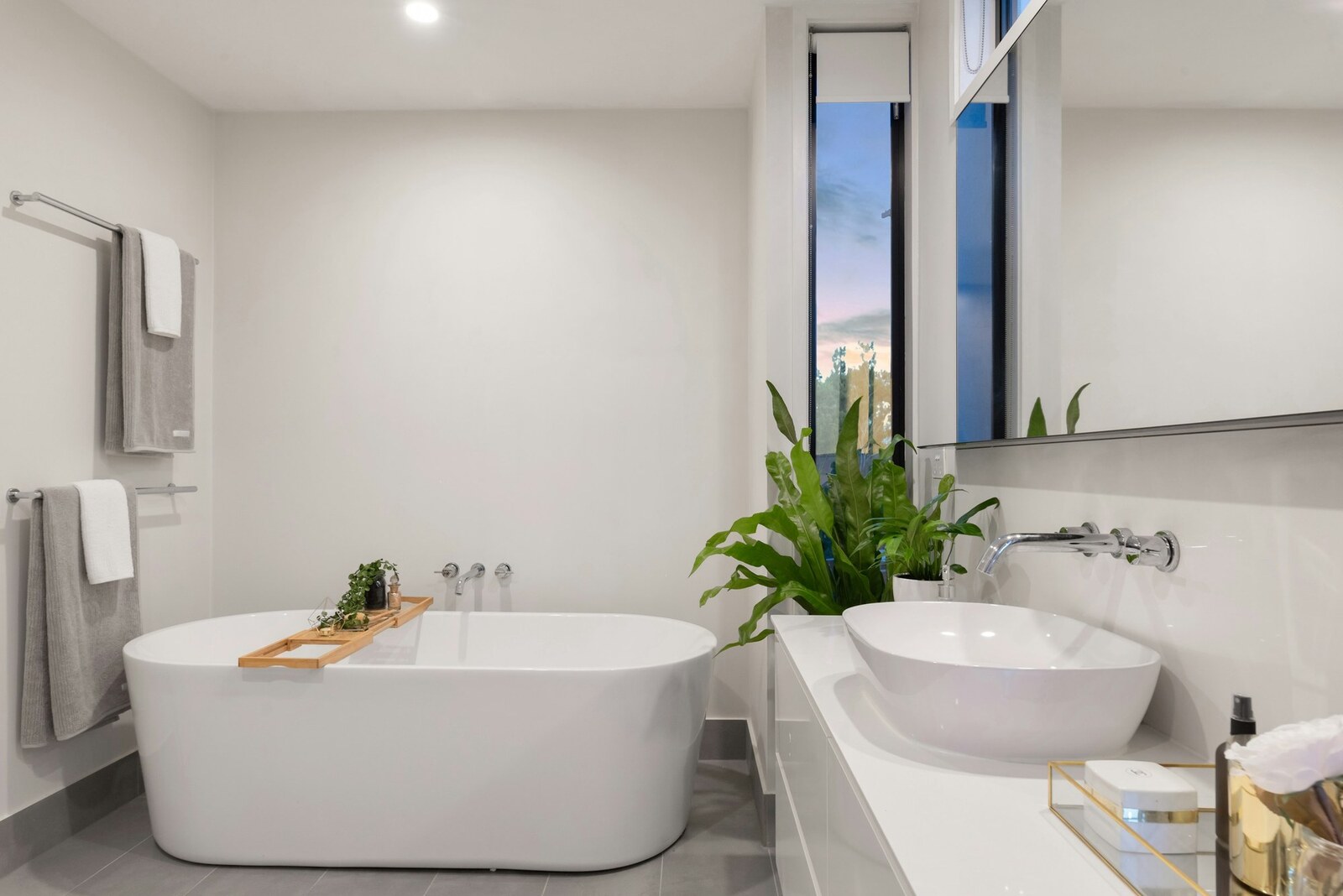
The freestanding tub is the single most photographed object in modern bathroom design. It is on the cover of every magazine, it is what shows up when you search for a primary bathroom, and it is what a lot of homeowners picture first when they imagine their finished room.
It is also, in a meaningful number of the bathrooms we build, the wrong choice. Not because there is anything wrong with tubs, but because the decision usually gets made emotionally and then the room has to accommodate it. Here is how to work out whether you actually want one.
The Question That Settles It
Ask yourself honestly: when did you last take a bath?
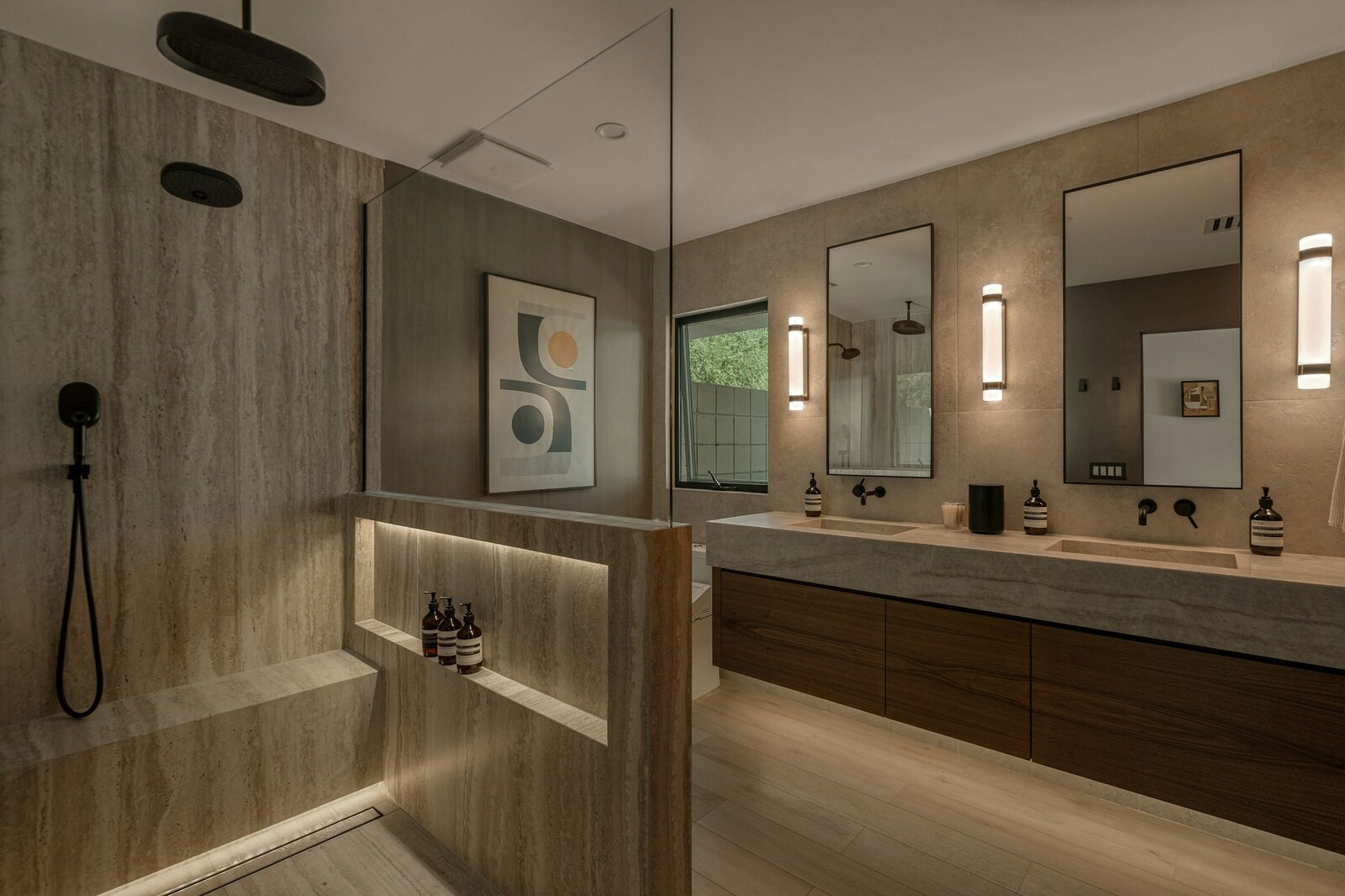
Not whether you like the idea of baths. When did you last take one. If the answer is measured in years, a soaking tub in your primary bathroom will be an expensive object you clean occasionally. That space and that money almost always produce more happiness as a larger, better shower.
If the answer is regularly, or if you have a bad back, or you find a bath is how you actually decompress after a hard week in February, then a proper soaking tub is one of the better things you can put in a house, and the rest of this article is about getting it right.
Do Not Confuse This With Resale
A common piece of received wisdom says you must have a tub for resale. The accurate version is narrower: a house should have at least one bathtub somewhere, which matters to buyers with small children. It does not have to be in the primary bathroom.
If you have a hall bath or a second bathroom with a tub, you are free to build the primary bathroom with a generous shower and no tub at all, and a great many homeowners are happier for it. Removing the last tub in the house is the decision that gives buyers pause.
The Types, Honestly Compared
- Freestanding. The look everyone wants. Sculptural, works as a focal point, and comes in acrylic, cast iron, stone resin, and copper. The trade-offs are real: no deck to put anything on, so you need a side table or a niche nearby; it needs floor space all around it, which is why it eats a small bathroom; and it is awkward to clean around and behind.
- Alcove. The standard tub-shower in three walls. Efficient, cheap, and the right answer for a hall or children's bathroom.
- Drop-in or undermount. Set into a built deck. Less fashionable, considerably more practical: you get a surround to hold things, it is easier to get in and out of, and the deck can house the filler. In a family bathroom this is frequently the sensible choice.
- Japanese soaking tubs. Deeper and shorter, so you sit upright rather than reclining. Excellent where floor space is tight and you genuinely want depth.
Material Matters More Than People Expect
The main practical difference is heat retention, and in a Rochester winter that is not a trivial consideration.
- Acrylic. Light, warm to the touch, holds heat reasonably, easy to install, and the most affordable. It scratches, though scratches can be polished out. For most households it is the pragmatic choice.
- Cast iron with enamel. Superb heat retention once warm, extremely durable, and it feels substantial. It is very heavy, and that weight has to be checked against the floor structure, particularly on the second floor of an older Rochester home.
- Stone resin and solid surface. The best heat retention of all, beautiful matte finish, very heavy, and the most expensive.
- Copper. Striking, develops a patina, conducts heat quickly so it warms fast and cools fast.
Two practical warnings. Weight is a structural question: a cast iron or stone tub full of water plus a person is a substantial point load, and the framing needs checking before you order. And getting it into the room matters, since a large tub may not fit up the stairs of a century home, which is worth confirming before delivery day.
Both of those are worth checking early rather than on installation day. Ask Ember Works to assess your bathroom and we will confirm the structure and the access before anything is ordered.
The Filler, the Space, and the Hot Water
- How it fills. A freestanding tub needs a floor-mounted filler, which is plumbed up through the floor and must be located precisely before the finished floor goes down, or a wall-mounted spout. Floor fillers are expensive and unforgiving of a change of mind.
- Clearance to actually use it. Enough room to stand beside it and get in comfortably, and enough clearance behind for cleaning. A tub jammed against a wall loses the entire point of being freestanding.
- Somewhere to put things. A stool, a niche, or a small table. Freestanding tubs have no deck and people forget that until they are sitting in one.
- Hot water capacity. A deep soaking tub can take a large share of a standard tank. If you are installing one, check the tank size, and note that a tankless unit's flow rate in a Rochester winter, with cold incoming water, is lower than the headline figure.
- Heated floors around it, because stepping out of a bath onto cold tile in January undoes a lot of the benefit.
Choose It Deliberately
A soaking tub is a genuine pleasure for the people who use one and dead space for those who do not. Decide based on your actual habits rather than the photograph, confirm the structure and the access, and if the answer is a bigger shower instead, that is a perfectly good outcome.
As a design-build firm, Ember Works will tell you plainly if we think the tub is the wrong call for how you live, and we will check the framing and the stairwell before you order one. Our team, with 60 plus years of combined hands-on experience, handles the structural reinforcement, floor-mounted fillers, and heated floors that make a tub work properly. Ember Works designs and builds primary bathrooms across Rochester, Monroe County, and Western New York.
Ignite Your Home's Potential with Ember Works!
Call us today: 585-465-1674
Contact Us: www.emberworksroc.com/contact-us
Ready to Start Your Kitchen or Bathroom Project?
Ember Works is a design‑build firm in Rochester, NY. Our designers and our build team work under one roof, so you get a realistic budget before anything is drawn and one team accountable from the first sketch to the final walkthrough. We design and build custom kitchens and dream primary bathrooms across Rochester, Monroe County, and Western New York, backed by 60 plus years of combined hands-on experience.
‹ Back
Recent Posts
-
Freestanding and Soaking Tubs: Worth It, or Worth Skipping?
November 16, 2026
-

Shower Niches, Benches, and Built-In Bathroom Storage
November 13, 2026
-
What Custom Cabinetry Actually Means (and When It Is Worth It)
November 10, 2026
-
Steam Showers: Spa Comfort That Earns Its Keep in a Rochester Winter
November 7, 2026
-

Getting Your Kitchen Ready to Host: Projects You Can Still Finish
November 4, 2026