



Website by 
Resources
Restoring a Historic Rochester Home: What to Preserve and What to Update
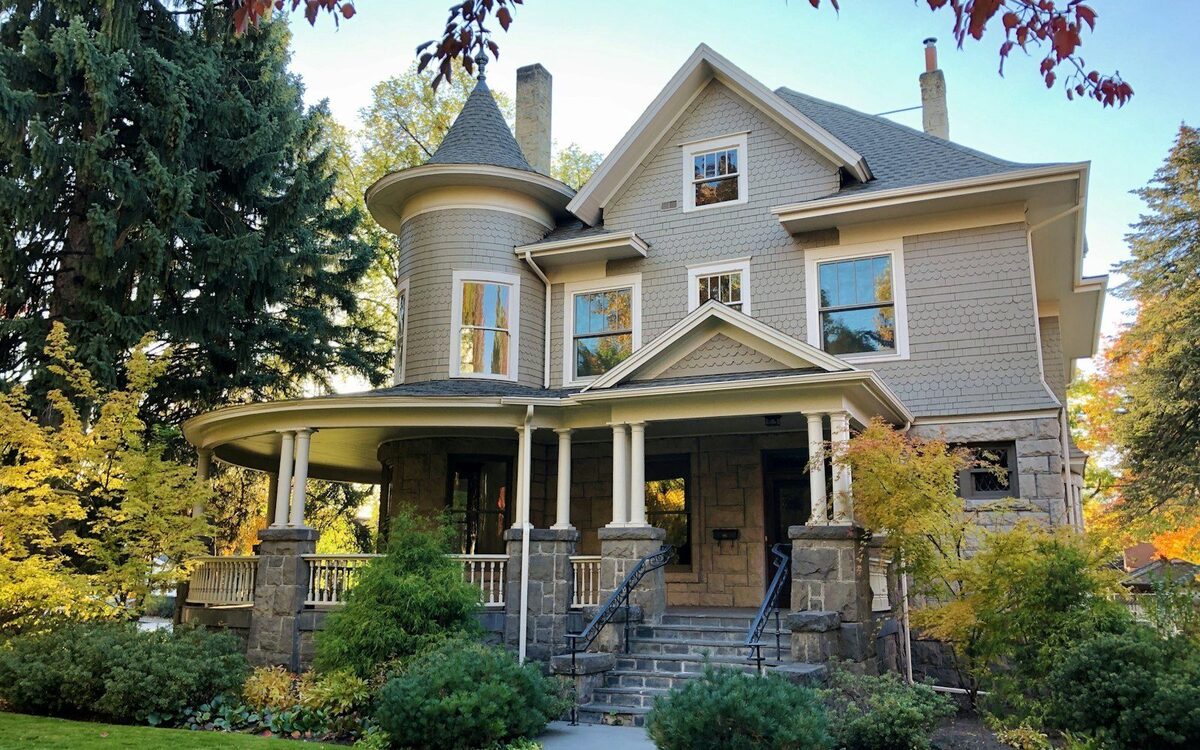
Rochester is one of the best cities in the country to own an old house. From the grand Victorians near East Avenue to the Arts and Crafts bungalows of the South Wedge, the foursquares of Maplewood, and the colonials and Tudors scattered across Brighton, Irondequoit, and the village centers of Monroe County, our housing stock has character that simply can't be bought new. Much of it dates to Rochester's boom years — roughly the 1880s through the 1930s — when craftsmanship was the standard, not the upgrade.
But owning a historic home comes with a question every owner eventually faces: what do you preserve, and what do you update? Get it wrong in one direction and you strip away the very character that made you fall in love with the house. Get it wrong in the other and you're living with 1920s plumbing, drafty rooms, and a kitchen that fights you every day.
At Ember Works, restoration work is one of our core services, and our build team brings 60+ years of combined hands-on experience — much of it inside exactly these kinds of Western New York homes. Here's how we think about the preserve-versus-update decision.
The Guiding Principle: Preserve Character, Update Performance
The simplest way to frame it: the things you see and touch are usually worth preserving or restoring; the things that make the house work — wiring, plumbing, heating, insulation — are almost always worth updating. A house that keeps its soul but gains modern comfort and safety is the goal. A house museum you can't comfortably live in is not.
What to Preserve (or Restore) Whenever Possible
Original Woodwork and Trim
The quarter-sawn oak, chestnut, and old-growth fir trim in Rochester's older homes is irreplaceable — literally, in the case of chestnut. Wide baseboards, crown molding, picture rails, built-in buffets, colonnades, and staircases are the fingerprint of the house. Stripping decades of paint is tedious, but the result is worth it. Where pieces are damaged or missing, a skilled carpenter can mill matching replacements rather than tearing out a whole run.
Hardwood Floors
The floors under that worn carpet are often better wood than anything sold today. Old floors can usually be repaired, patched with reclaimed boards, and refinished several times before replacement is even a conversation. Character marks aren't flaws — they're history.
Doors, Hardware, and Details
- Solid wood panel doors (re-hang and re-plane rather than replace)
- Glass doorknobs, mortise locksets, and original hinges
- Stained glass and leaded glass windows
- Fireplace surrounds, mantels, and tile
- Plaster details like coved ceilings, arches, and medallions
- Original exterior details: brackets, columns, porch railings, slate roofs where serviceable
Original Windows — Sometimes
This one's nuanced. Old-growth wood windows were built to be repaired indefinitely, and a properly restored window with quality storm windows can perform surprisingly well. On the other hand, badly deteriorated windows or rooms that desperately need efficiency upgrades may justify high-quality replacements that respect the original profiles. The honest answer is case-by-case — which is exactly the kind of judgment call a design-build team should walk through with you, window by window.
What to Update Without Guilt
Electrical Systems
Many Rochester homes still carry remnants of knob-and-tube wiring, undersized 60- or 100-amp services, and a century of amateur splices. Modern households — with their kitchens, EV chargers, sump pumps, and home offices — need safe, grounded, properly sized electrical systems. This is a safety issue and an insurance issue, and no amount of historic charm changes that. Update it.
Plumbing and Heating
- Galvanized steel supply lines (they corrode shut from the inside) — replace
- Aging cast-iron drain stacks — evaluate; replace where failing
- Original boilers and converted gravity furnaces — upgrade for efficiency and reliability
- Radiators themselves are often worth keeping — cast iron radiators are beautiful, durable, and deliver comfortable heat through a Rochester winter
Insulation and Air Sealing
Most pre-war homes in Western New York were built with little or no wall insulation. Air sealing, attic insulation, and basement rim-joist insulation deliver real comfort through our long heating season — and they can usually be done without disturbing historic finishes. The key is doing it correctly: old houses were designed to breathe, and insulating them the wrong way can trap moisture and create rot. Experience matters here.
Kitchens and Bathrooms
Here's a freeing thought: in most historic homes, the kitchen and bathrooms have already been remodeled two or three times since the house was built. You're rarely tearing out anything original. The best approach is a modern, fully functional kitchen or bath designed in a way that nods to the home's era — inset cabinetry, period-appropriate hardware, hex or subway tile, marble-look surfaces — so the new rooms feel like they belong.
Know the Rules Before You Start
If your home sits in one of Rochester's designated preservation districts, or it's individually landmarked, exterior changes may require review and approval before work begins. Even outside formal districts, some Monroe County towns and villages have their own review processes. A few practical tips:
- Confirm your home's status before designing exterior changes
- Interior work is generally far less restricted than exterior work
- Approvals take time — build them into the project schedule
- Working with a team experienced in older homes smooths the process considerably
If you're not sure where your house stands or what a sensitive update would involve, talk with the Ember Works team — as a design-build firm, we can evaluate the house, the rules, and the budget together instead of in separate conversations.
Budgeting for a Historic Renovation
Restoration work generally costs more per square foot than equivalent work in a newer home, because it involves careful demolition, custom matching, and surprises behind plaster. As typical ranges for the Rochester market:
- Refinishing and restoring woodwork or floors in a room: often $3,000–$10,000+ depending on condition and scope
- A period-sensitive kitchen remodel: commonly $60,000–$120,000+
- Whole-house systems updates (electrical, plumbing, heating): frequently $25,000–$75,000+ depending on the house
These are typical ranges, not quotes — historic homes vary enormously. The most important budgeting rule for old houses: carry a contingency of 10–20%, because the wall always knows something you don't.
Why Design-Build Suits Old Houses
Historic renovation is a constant stream of judgment calls: keep or replace, restore or replicate, open the wall or work around it. When the designers and the builders are the same team, those calls get made quickly, with the budget and the home's character both in the room. That's the Ember Works approach — one team, one plan, and a deep respect for the houses that make Rochester's neighborhoods what they are.
Give Your Old House the Next Hundred Years
A historic Rochester home isn't a burden to manage — it's an asset to steward. Preserve the craftsmanship that can't be replaced, update the systems that keep your family safe and comfortable, and the result is the best of both worlds: a house with a century of character and a future just as long. If your old house is ready for thoughtful restoration, we're ready to help you plan it.
Ignite Your Home's Potential with Ember Works!
Call us today: 585-465-1674
Contact Us: www.emberworksroc.com/contact-us
Ready to Start Your Kitchen or Bathroom Project?
Ember Works is a design‑build firm in Rochester, NY. Our designers and our build team work under one roof, so you get a realistic budget before anything is drawn and one team accountable from the first sketch to the final walkthrough. We design and build custom kitchens and dream primary bathrooms across Rochester, Monroe County, and Western New York, backed by 60 plus years of combined hands-on experience.
‹ Back
Recent Posts
-
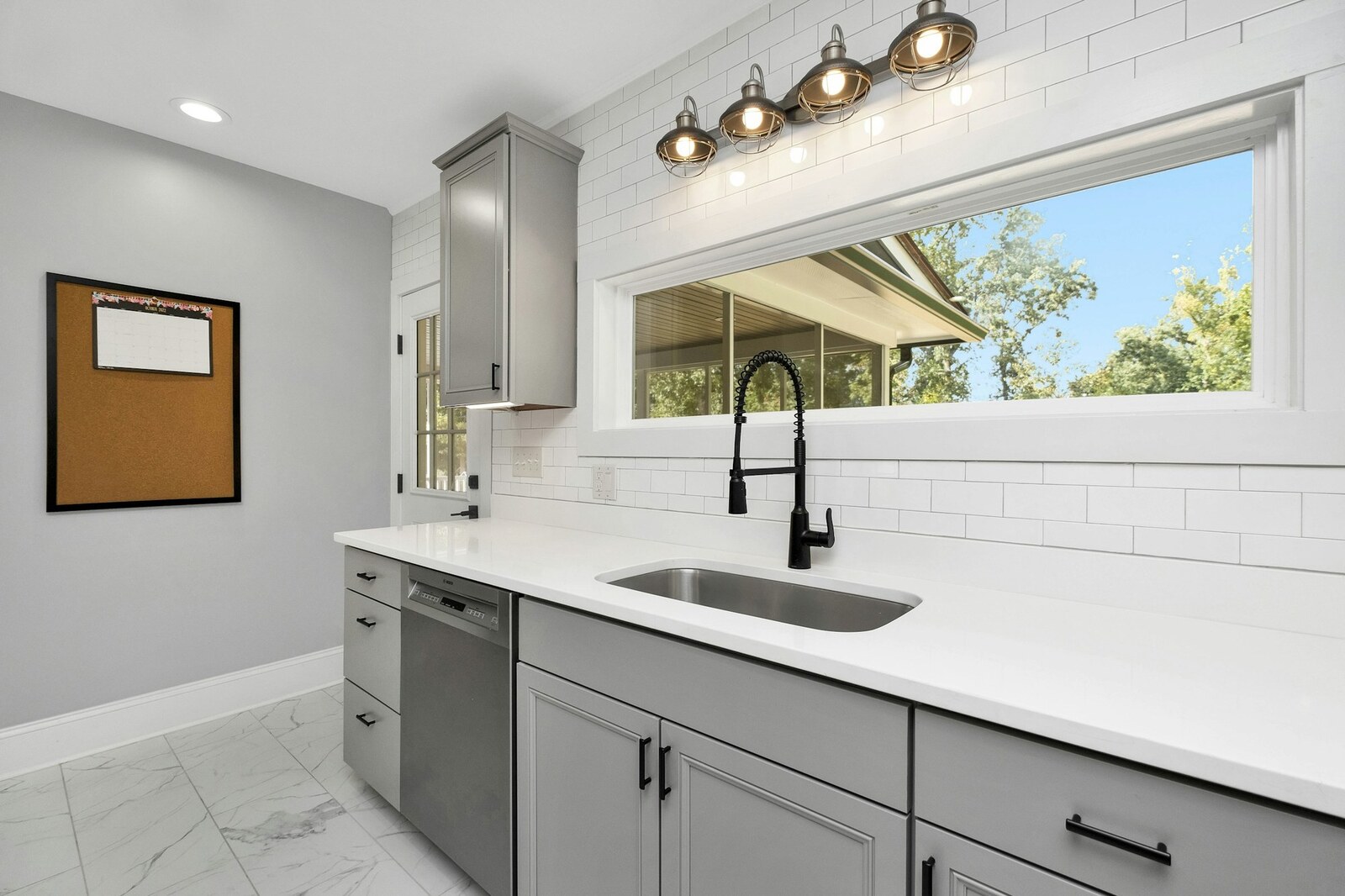
Kitchen Work Zones: Why the Work Triangle Is Not Enough Anymore
September 25, 2026
-

Choosing Paint Colors That Actually Work in Rochester's Light
September 22, 2026
-
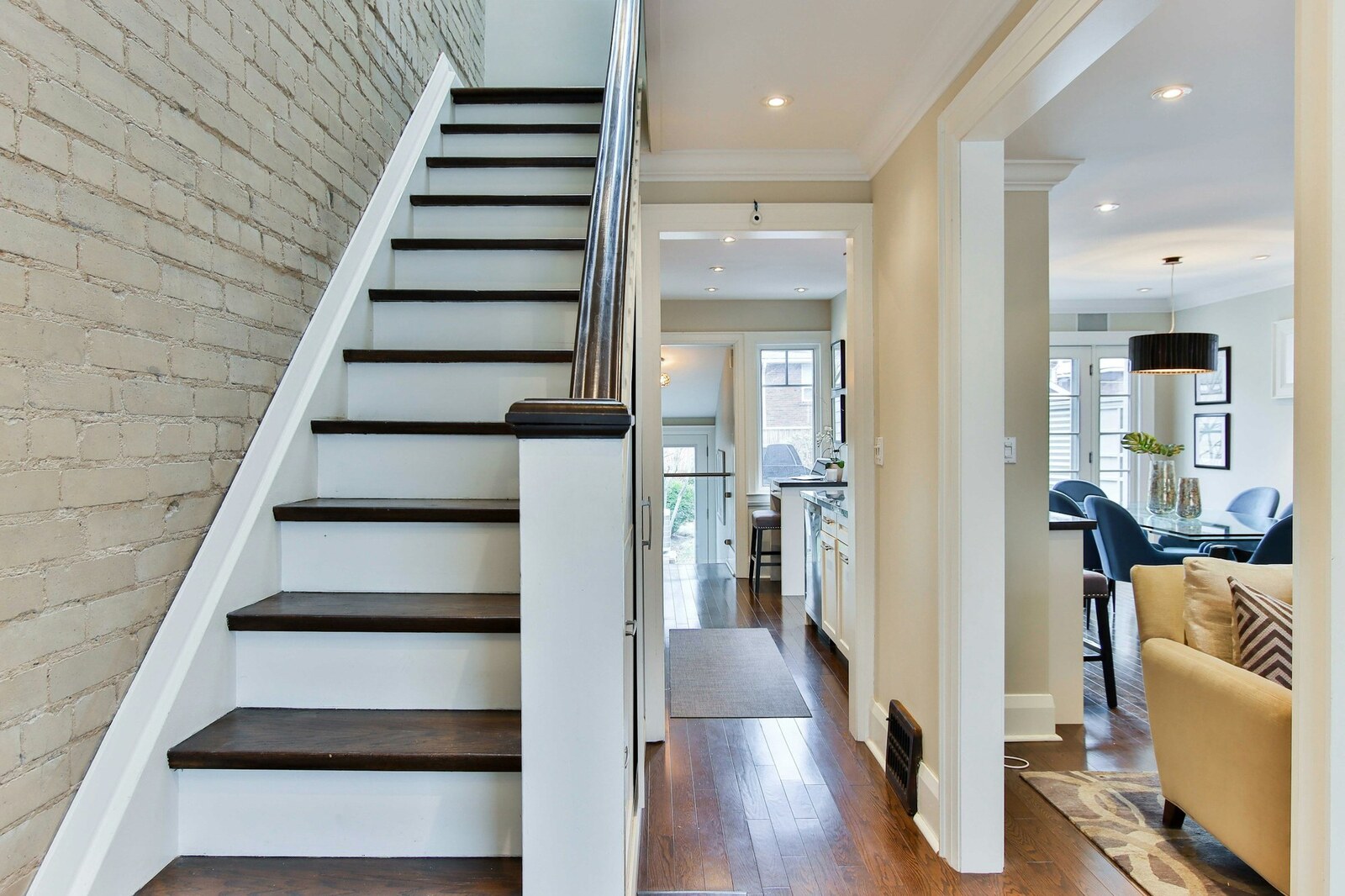
Interior Stairs and Railings: The Feature Hiding in Plain Sight
September 19, 2026
-

Kids' Bedrooms and Nurseries: Remodeling for a Growing Family
September 16, 2026
-
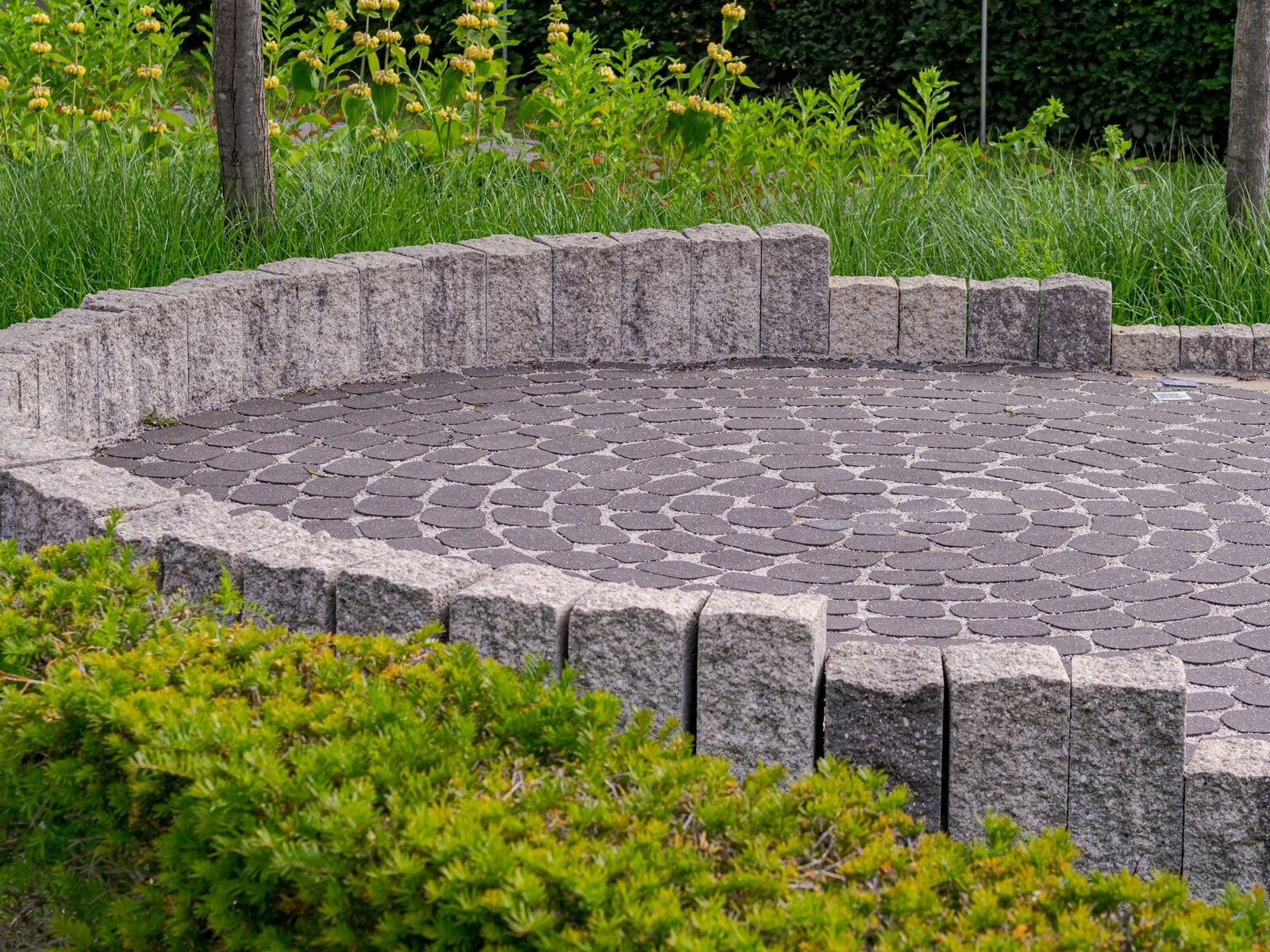
Patio or Deck? Choosing the Right Outdoor Surface for Your Yard
September 13, 2026