



Website by 
Resources
Porch Restoration: Bringing Rochester's Classic Front Porches Back to Life
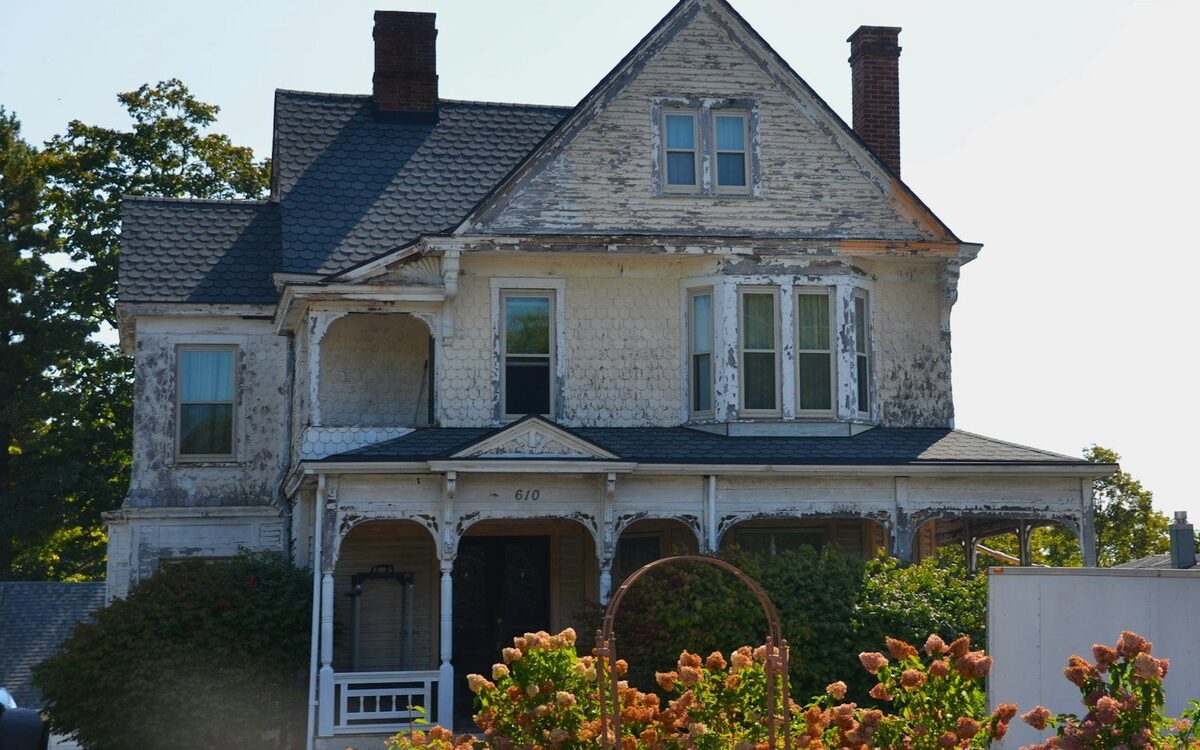
Drive through Rochester's older neighborhoods — the South Wedge, Park Avenue, Maplewood, the village streets of Pittsford and Fairport — and you'll see them everywhere: deep, generous front porches with turned columns, beadboard ceilings, and railings built when craftsmanship was the default. These porches were designed for summer evenings, neighborly waves, and a cold drink after mowing the lawn.
You'll also see what a century of Western New York weather does to them. Sagging rooflines, rotted column bases, spongy floorboards, peeling paint, and concrete steps crumbling from decades of freeze-thaw cycles and road salt. A tired porch drags down the entire face of a home, and because it's structural, ignoring it gets more expensive every year.
The good news? A classic porch is almost always worth saving. Here's what Rochester homeowners should know about restoring one the right way.
Why Rochester Porches Fail
Our climate is uniquely hard on porches. Understanding the failure points helps you catch problems while they're still affordable to fix.
- Freeze-thaw cycles that heave footings and crack concrete steps
- Snow piled against column bases and skirting for months at a time
- Lake-effect moisture that keeps shaded porch floors damp well into spring
- Decades of paint layers trapping moisture in old-growth wood
- Gutters and roof drainage dumping water exactly where the porch meets the house
- Original footings that were shallow or undersized by modern standards
Most porch failures start at the bottom and work up. Water wicks into the end grain of a column base or the edge of a floorboard, rot sets in quietly, and by the time you notice the column sinking, the framing underneath may be compromised too.
The Warning Signs Worth Taking Seriously
Some porch problems are cosmetic. Others mean the structure is actively moving. Walk your porch this week and look for:
- A roofline that dips or sags between columns
- Columns that look shorter on one end, or have soft, punky wood at the base
- Floorboards that flex underfoot or slope noticeably toward the house
- Gaps opening where the porch meets the home's siding
- Railings that wiggle when you lean on them
- Cracked, tipping, or crumbling steps and piers
A sloping floor isn't always bad news — original porches were built with a slight pitch away from the house to shed water. But a slope toward the house, or one that's gotten worse over time, means water and structural movement are working against you.
Restore or Replace? Usually, It's Both
A quality porch restoration is rarely all-or-nothing. The right approach keeps the character-defining details — column profiles, railing patterns, beadboard ceilings, decorative brackets — while quietly replacing what's failed underneath with materials that handle our climate better than the originals.
What typically gets preserved or replicated
- Turned or paneled columns (restored, or replicated in rot-resistant material)
- Historic railing height and baluster spacing where code allows
- Beadboard ceilings, often the most charming surviving feature
- Trim profiles and brackets that match the home's era
What usually gets rebuilt
- Footings and piers, brought up to proper frost depth for Monroe County
- Framing, ledger connections, and joists with proper flashing
- Tongue-and-groove flooring, in traditional fir or modern composite alternatives
- Steps, skirting, and drainage details that failed the first time around
This is where design-build makes a real difference. At Ember Works, our in-house designers work out the historic details and proportions while our build team — with 60+ years of combined hands-on experience — handles the structural realities hiding under that floor. One team, one plan, no finger-pointing between an architect and a carpenter who've never met.
Material Choices for Western New York Weather
The original old-growth lumber on a 1910 porch was remarkably rot-resistant, and modern framing lumber simply isn't the same. Fortunately, today's material options can outlast even the originals when chosen well.
- Fiberglass or composite columns that replicate historic profiles without rotting at the base
- PVC and composite trim for skirting and water-exposed details
- Traditional fir tongue-and-groove for purists, properly primed on all six sides
- Composite porch flooring made specifically for covered porches
- Stainless or coated fasteners that shrug off salt and moisture
- Modern flashing and membrane details at the ledger, the most critical hidden upgrade
The trick is mixing old and new so the porch still reads as original from the sidewalk. A good designer knows where authenticity matters to the eye and where durability should win.
What Does Porch Restoration Cost in Rochester?
Every porch is different, but here are typical ranges we see in the Rochester market. Treat these as ballpark figures, not quotes:
- Targeted repairs (column bases, a section of flooring, step rebuild): roughly $3,000–$10,000
- Substantial restoration (new flooring, railings, columns, structural repair): roughly $15,000–$40,000
- Full rebuild of a large wraparound or two-story porch with new footings: $40,000–$80,000+
Where you land depends on size, how much structure has failed, material choices, and how detailed the original millwork is. One honest note: porches deteriorate on a curve, not a line. The repair you put off for three years is often double the price when you finally tackle it.
Not sure which side of that curve your porch is on? Set up a visit with Ember Works and we'll give you a straight assessment of what can be saved, what should be rebuilt, and what it's likely to cost.
Permits, Codes, and Historic Districts
Porch work in Monroe County usually requires a permit once you're touching structure, and current code has opinions your 1915 builder never heard of — railing heights, baluster spacing, stair geometry, footing depth. If your home sits in one of Rochester's preservation districts, exterior changes may also need review for historic appropriateness.
None of this should scare you off. It's routine for a contractor who works on older housing stock regularly. It's just one more reason porch restoration isn't a great fit for a handshake deal with whoever's cheapest.
The Payoff: Curb Appeal You Can Sit On
Few projects change how a house feels from the street like a restored porch. It's the handshake your home offers the neighborhood. And unlike a lot of curb-appeal projects, you get to use this one — morning coffee in June, trick-or-treaters in October, a dry place to watch a summer thunderstorm roll in off the lake.
Remodeling industry reports consistently rank exterior and curb-appeal projects among the strongest for resale value, and in Rochester's historic neighborhoods, an original-style porch in sound condition is a genuine selling point.
Let's Bring Your Porch Back
If your porch has good bones and tired details — or tired bones and good memories — Ember Works can help you restore it with the craftsmanship it was built with the first time. We serve Rochester, Monroe County, and all of Western New York.
Ignite Your Home's Potential with Ember Works!
Call us today: 585-465-1674
Contact Us: www.emberworksroc.com/contact-us
Ready to Start Your Kitchen or Bathroom Project?
Ember Works is a design‑build firm in Rochester, NY. Our designers and our build team work under one roof, so you get a realistic budget before anything is drawn and one team accountable from the first sketch to the final walkthrough. We design and build custom kitchens and dream primary bathrooms across Rochester, Monroe County, and Western New York, backed by 60 plus years of combined hands-on experience.
‹ Back
Recent Posts
-
Flooring Face-Off: Hardwood, Engineered, Vinyl Plank, and Tile
October 22, 2026
-
Shower Systems: Valves, Rain Heads, and Body Sprays
October 19, 2026
-

Inside the Cabinets: Pull-Outs and Fittings That Earn Their Keep
October 16, 2026
-
Sump Pumps and Backup Power: Basement Insurance Before Winter
October 13, 2026
-
Shower Waterproofing: The Membrane Behind Your Tile You Never See
October 10, 2026