





Website by 
Resources
Repairing vs. Replacing Original Woodwork in Rochester's Older Homes
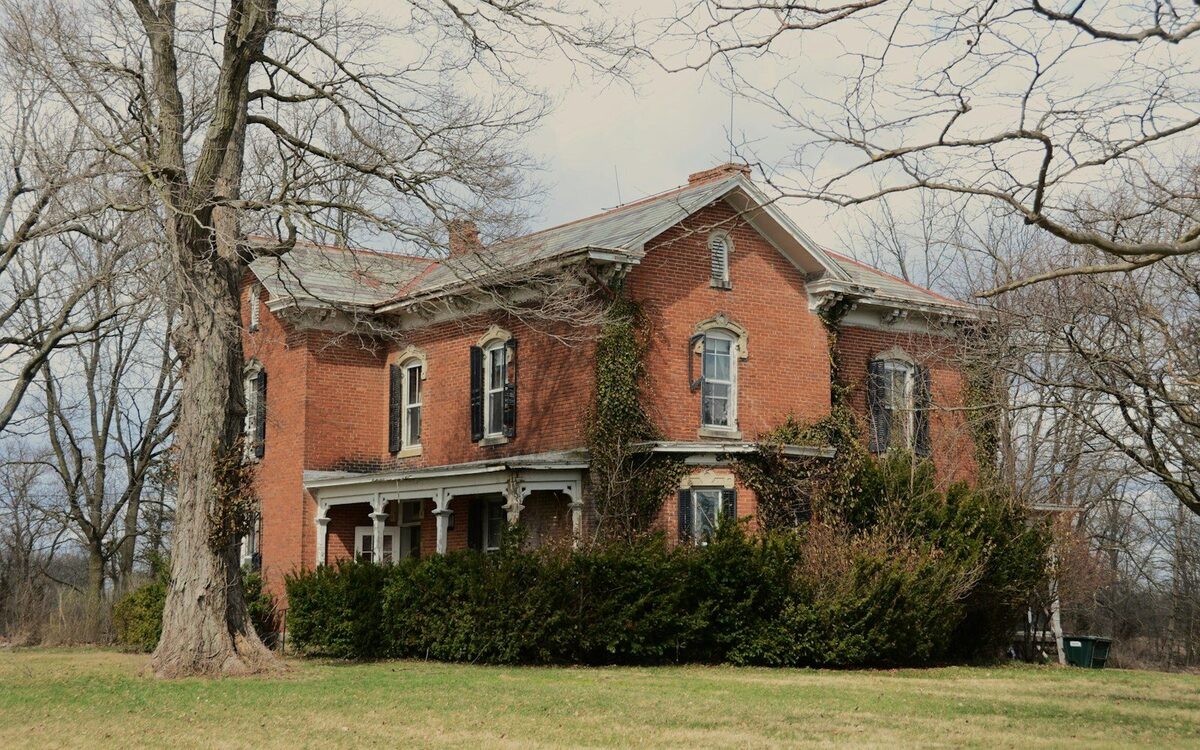
Walk through almost any home in the South Wedge, Park Avenue, Maplewood, or the older streets of Webster, Fairport, and Pittsford, and you'll find something builders simply don't produce anymore: original woodwork. Quarter-sawn oak trim. Chestnut baseboards milled from trees that no longer exist in harvestable numbers. Pocket doors that glide on hundred-year-old hardware. Built-in china cabinets with wavy glass and craftsmanship measured in hours, not minutes.
Then comes the remodel — or the water stain, the dog scratches, the seven layers of paint — and you're facing the question every owner of an older Rochester home eventually faces: do we repair this woodwork, or replace it?
It's rarely an all-or-nothing answer. The right call depends on what the wood is, what shape it's in, and what role it plays in your home's character and value. Here's how to think it through like a pro.
Why Original Woodwork Is Worth Taking Seriously
Before weighing repair against replacement, it helps to understand what you're actually holding onto:
- Old-growth lumber is denser and more stable than most material available today — tighter growth rings mean it resists warping and takes detail beautifully
- Species like American chestnut are effectively irreplaceable; the trees are gone
- Original millwork profiles were often custom to the builder or the neighborhood, and off-the-shelf trim rarely matches them
- Buyers notice. Intact original woodwork is a genuine selling point in Rochester's historic neighborhoods, where character commands attention
- It's already survived a century of our freeze-thaw winters and humid summers — that's a durability track record new material hasn't earned yet
None of this means every stick of trim is sacred. It means the default should be "can we save it?" rather than "rip it out and start over."
When Repair Is the Right Call
The good news: wood is one of the most repairable materials in your house. Repair usually wins when you're dealing with:
- Surface damage — scratches, dents, worn finish, sun fading
- Paint buildup — even many layers can be stripped to reveal stain-grade wood underneath
- Loose joints in doors, stair parts, and built-ins that can be re-glued and re-secured
- Small areas of rot or insect damage that can be cut out and patched with epoxy or a dutchman repair
- Sticking doors and windows — usually a matter of seasonal movement, hinges, or paint, not failed wood
- Missing short sections of trim that a millwork shop can match by knife-grinding the original profile
A note on stripping paint in pre-1978 homes
Most of Rochester's housing stock predates 1978, which means painted woodwork very likely carries layers of lead paint. Dry-sanding it is a genuine health hazard, especially with kids in the house. Lead-safe practices — containment, chemical or low-temperature infrared stripping, HEPA cleanup — aren't optional extras; they're the baseline. This is one of the strongest arguments for bringing in professionals rather than spending your weekends with a heat gun.
When Replacement Makes More Sense
Sentiment aside, sometimes replacement is simply the right answer:
- Widespread rot or structural failure — when more than roughly a third of a piece is gone, you're rebuilding, not repairing
- Severe water damage from chronic leaks, where the wood is punky, delaminated, or moldy through
- Previously "remuddled" work — if a 1970s update already replaced original trim with clamshell casing, there's nothing historic left to save
- Layout changes in a remodel — when walls move, some woodwork inevitably goes with them (salvage it for repairs elsewhere)
- Cost-to-value mismatch — painstakingly restoring plain, paint-grade pine trim in a back hallway may cost more than it returns
The skill is in replacing well: matching profiles, species, and proportions so new work disappears into old. A good millwork shop can replicate nearly any Rochester profile, and a careful carpenter can blend it so you'd never find the seam.
The Middle Path: Repair, Replicate, and Relocate
On most projects in older homes, the smartest plan mixes all three approaches:
- Repair the showcase pieces — stair railings, built-ins, pocket doors, fireplace surrounds
- Replicate trim where walls change or pieces are too far gone, using custom-matched profiles
- Relocate salvaged original material from low-visibility areas (closets, back rooms) to patch high-visibility ones
This is where design-build really pays off. Because Ember Works' designers and build team work under one roof, decisions about which woodwork stays, which gets replicated, and which gets harvested for parts are made early — during design — instead of improvised at the end of a demo day when the trim is already in the dumpster. With 60+ years of combined hands-on experience, our build team has worked on enough of Rochester's older housing stock to know what's salvageable at a glance and what it takes to save it.
If you're planning a remodel in an older home and want the character to survive the construction, talk to Ember Works before demolition day — a short conversation up front can save woodwork that took a century to earn its patina.
What This Work Typically Costs
Pricing varies enormously with condition and finish expectations, but here are typical ranges for the Rochester area to set expectations — ballparks, never quotes:
- Stripping and refinishing trim: often $15–$40 per linear foot depending on paint layers and detail
- Restoring an original wood door (stripping, repairs, hardware tune-up): roughly $600–$1,500 each
- Custom-matched replacement trim: roughly $12–$30 per linear foot installed, plus a one-time knife/setup charge from the mill
- Pocket door repair and track restoration: roughly $800–$2,500 per opening
- Built-in restoration: wide range — from a few hundred dollars for refinishing to several thousand for structural rebuilds
Compare those numbers against what equivalent new custom millwork would cost, and restoration often looks like a bargain — especially for hardwoods and detailed profiles.
How Rochester's Climate Factors In
Our wide seasonal swings — bone-dry forced-air heat in January, sticky humidity in July — make wood move. That's normal, and century-old woodwork has been doing it gracefully for a hundred years. But it does shape the work:
- Repairs and refinishing should account for seasonal expansion gaps
- New replacement wood needs to acclimate in the house before installation
- Finishes should be flexible enough to move with the wood, not crack against it
- Fixing the moisture source — gutters, flashing, humidity control — comes before fixing the wood it damaged
Let's Keep the Character and Lose the Damage
Original woodwork is one of the few things in your home that genuinely cannot be bought new. Whether your project is a full remodel that needs to respect the trim around it, or the woodwork itself is the project, the repair-versus-replace decision deserves an experienced eye — someone who knows both what the wood is worth and what it will honestly take to save it. Ember Works provides restoration and general remodeling across Rochester, Monroe County, and Western New York, and older homes are some of our favorite work.
Ignite Your Home's Potential with Ember Works!
Call us today: 585-465-1674
Contact Us: www.emberworksroc.com/contact-us
Ready to Start Your Kitchen or Bathroom Project?
Ember Works is a design‑build firm in Rochester, NY. Our designers and our build team work under one roof, so you get a realistic budget before anything is drawn and one team accountable from the first sketch to the final walkthrough. We design and build custom kitchens and dream primary bathrooms across Rochester, Monroe County, and Western New York, backed by 60 plus years of combined hands-on experience.
‹ Back
Recent Posts
-
Interior Stairs and Railings: The Feature Hiding in Plain Sight
September 19, 2026
-

Kids' Bedrooms and Nurseries: Remodeling for a Growing Family
September 16, 2026
-

Patio or Deck? Choosing the Right Outdoor Surface for Your Yard
September 13, 2026
-
Deck Stairs and Access: Safety, Code, and Getting the Rise Right
September 10, 2026
-