


Website by 
Resources
Sunrooms and Three-Season Rooms: Bringing More Light Into Rochester Homes
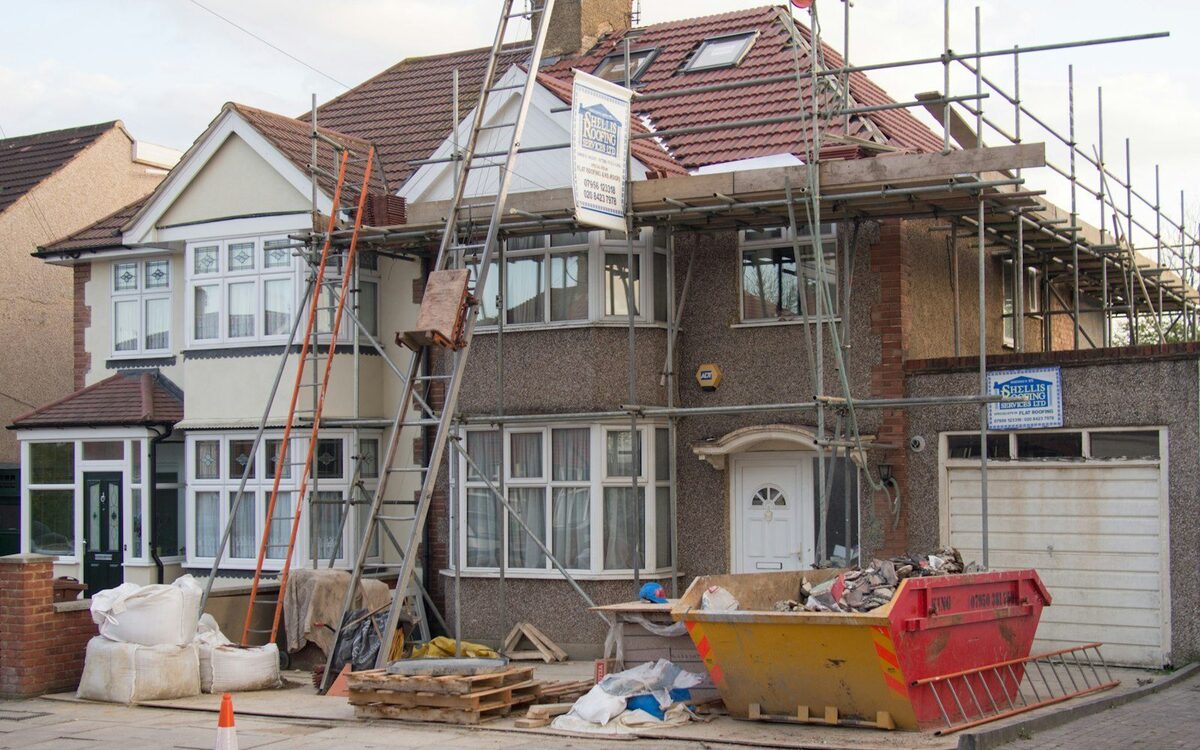
Let's be honest about Rochester: we love it here, but the sun can feel like a rumor between November and March. With some of the cloudiest winters in the country and long stretches of gray, Western New York homeowners crave natural light in a way people in sunnier places never quite understand.
That's exactly why sunrooms and three-season rooms are such beloved additions in our region. When a bright day finally arrives in February, you want a warm spot soaked in light to enjoy it. And when June through September rolls around, a glass-wrapped room becomes the best seat in the house — bug-free, breezy, and connected to the backyard.
But "sunroom" covers a wide range of structures, budgets, and comfort levels. Here's how to figure out which version fits your home and how you'll actually use it.
Three-Season Room vs. Four-Season Sunroom: Know the Difference
This is the single most important decision in the whole project, because it drives the budget, the construction method, and how the room performs in a Rochester January.
Three-Season Rooms
A three-season room is an unconditioned (or lightly conditioned) space, typically built with single-pane or basic insulated glass, designed for spring, summer, and fall. It's not connected to your home's heating system, and it isn't built to stay comfortable when it's 10 degrees outside. What you get in exchange is a significantly lower cost and a simpler build.
Four-Season Sunrooms
A four-season sunroom is true living space: insulated foundation, insulated walls and roof, high-performance glazing, and heating and cooling. It's usable on the coldest lake-effect morning and counts as genuine year-round square footage. It's built like an addition — because it is one.
A good gut-check: if you picture yourself drinking coffee out there while snow piles up on the glass, you want four-season construction. If you picture summer dinners and crisp October mornings, a three-season room may be all you need at a much friendlier price.
What Sunrooms Typically Cost in the Rochester Market
These are typical local planning ranges, not quotes — site conditions, size, and finishes move the numbers:
- Screened porch conversion or basic three-season room: roughly $20,000 to $45,000
- Quality three-season room, new construction: roughly $40,000 to $75,000
- Four-season sunroom addition: roughly $75,000 to $150,000+
- Upgrading an existing three-season room to four-season: often $25,000 to $60,000, depending on foundation and glazing
The jump between categories is real, and it mostly buys things you can't see: foundation depth, insulation, and glass performance. In our climate, those hidden layers are the difference between a room you use twelve months a year and one that's closed off by Thanksgiving.
Building for Western New York Weather
A sunroom that works in Rochester has to be engineered for conditions that would never come up in a national catalog design:
- Snow loads — roof structure must be designed for our heavy, wet lake-effect snow, especially on low-slope sunroom roofs where it accumulates
- Frost-depth foundations — footings need to reach below the frost line (generally 42 inches or more here) so freeze-thaw cycles can't heave the room away from the house
- High-performance glazing — double-pane low-E glass at minimum for three-season rooms; four-season rooms benefit from the best glass in the budget
- Condensation control — big temperature swings across lots of glass demand good thermal breaks and ventilation
- Ice and water management — flashing and ice-dam protection where the sunroom roof meets the house is a detail that fails on cheap builds
This is where lightweight prefab kits often disappoint in our region. They can be fine products in milder climates, but Rochester asks more of a structure than most kits are designed to give.
Orientation: Where the Room Faces Changes Everything
The same sunroom performs completely differently depending on which side of your house it sits on:
- South-facing — maximum winter sun and passive warmth; plan shading for July afternoons
- East-facing — gorgeous morning light, gentle by afternoon; ideal for coffee-and-breakfast rooms
- West-facing — warm evening light and sunsets, but the hottest summer exposure; quality glass and shades matter most here
- North-facing — soft, even light all day and the coolest exposure; favors artists and plant lovers, but needs the strongest insulation strategy for winter use
Good design also considers what the sunroom does to the rooms behind it — a glass addition can darken the existing room it attaches to unless the connection is planned with that in mind.
Design Touches That Make Sunrooms Feel Magical
- Heated floors or a mini-split — the two most popular ways to condition a sunroom without extending ductwork
- Cathedral or sloped ceilings — extra glass up high pulls in winter light even on gray days
- Durable flooring — tile or luxury vinyl handles sun, snow boots, and wet dogs
- Ceiling fans and operable windows — cross-ventilation keeps summer evenings comfortable without AC
- Generous electrical planning — outlets for lamps, speakers, and the holiday lights you'll inevitably string out there
If you're picturing where a sunroom could go on your home, connect with Ember Works for a consultation — our designers will look at your lot, your sun exposure, and your budget, and show you what's realistic before you commit to anything.
Permits, Setbacks, and the Paperwork
Sunroom additions in Monroe County municipalities require building permits, and depending on your lot, setback rules and lot-coverage limits can shape where and how big the room can be. Four-season rooms also get reviewed as conditioned living space, which touches energy code. None of this is a problem when it's planned from the start — and as a design-build firm, we fold permitting into the process so it's our paperwork headache, not yours.
One Team From Sketch to Sunlight
A sunroom lives or dies on integration: how the foundation ties to your home, how the roofline meets the existing structure, how the glass performs in February, and how the room flows from your kitchen or living room. Ember Works designs and builds these projects with one in-house team — designers who plan for Rochester light and weather, and builders with 60+ years of combined hands-on experience making additions feel like they were always part of the house.
More light, more living space, more reasons to love your home in every season — that's what a well-built sunroom delivers in Western New York.
Ignite Your Home's Potential with Ember Works!
Call us today: 585-465-1674
Contact Us: www.emberworksroc.com/contact-us
Ready to Start Your Kitchen or Bathroom Project?
Ember Works is a design‑build firm in Rochester, NY. Our designers and our build team work under one roof, so you get a realistic budget before anything is drawn and one team accountable from the first sketch to the final walkthrough. We design and build custom kitchens and dream primary bathrooms across Rochester, Monroe County, and Western New York, backed by 60 plus years of combined hands-on experience.
‹ Back
Recent Posts
-
Interior Stairs and Railings: The Feature Hiding in Plain Sight
September 19, 2026
-

Kids' Bedrooms and Nurseries: Remodeling for a Growing Family
September 16, 2026
-
Patio or Deck? Choosing the Right Outdoor Surface for Your Yard
September 13, 2026
-
Deck Stairs and Access: Safety, Code, and Getting the Rise Right
September 10, 2026
-