




Website by 
Resources
Garage Conversions in Rochester: Adding Living Space Without Building an Addition
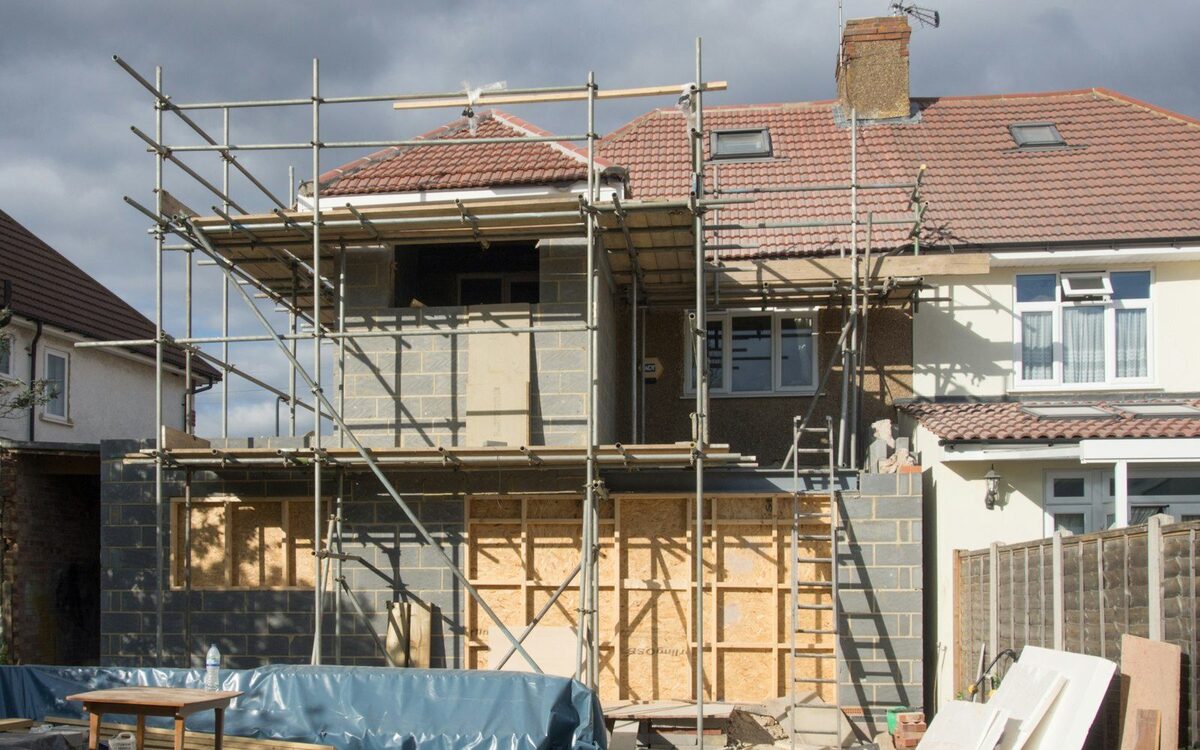
Take an honest look at your garage. Is it sheltering vehicles — or is it a climate-controlled-ish warehouse for bikes you don't ride, a snowblower, and boxes you haven't opened since you moved in? If your car has been sleeping in the driveway anyway, you may already own the cheapest "addition" available in Rochester: 200 to 600 square feet of space with a roof, walls, and a foundation already paid for.
Garage conversions have surged in popularity across Western New York as families need more room but balk at the cost of building new. A conversion sidesteps excavation, foundation work, and most of the framing — the most expensive phases of any addition — and turns existing structure into living space for a fraction of the price.
But a garage was built to house a Buick, not your in-laws. Turning it into a room you'd actually want to spend a February evening in takes real work — insulation, heat, floors, moisture control, and code compliance. Here's what's involved, what it costs, and how to decide if it's right for your home.
Why Garage Conversions Make Sense in Rochester
- The structure exists. Roof, walls, slab — the big-ticket items are done
- Speed. Conversions typically finish faster than ground-up additions
- No lost yard. Your footprint doesn't grow, which matters on smaller city and first-ring suburban lots
- Zoning simplicity. Staying within the existing footprint often avoids setback battles (though approvals are still required)
- Honest math. Many of us don't park inside anyway — Rochesterians are champion windshield-scrapers
As a typical Rochester-area range, converting an attached garage to finished living space runs about $30,000–$80,000 depending on size, plumbing, and finishes — compared with new additions that often start at $100,000+ for similar square footage. Add a bathroom or kitchenette and you'll trend toward the higher end.
What Your Garage Can Become
The best conversions start with a clear purpose. Around Monroe County, the most popular uses we see:
- Family room or rec room — the classic, especially off a kitchen
- Primary or guest bedroom suite with a full bath
- In-law or multigenerational suite with kitchenette and private entrance
- Home office or studio with great separation from household noise
- Home gym with rubber flooring and a mini-split
- Mudroom-plus-laundry command center for snowy-boot season
One planning note for our climate: if you convert the garage, the snowblower, shovels, and salt still need a home. Many of our conversion designs carve out a small insulated storage zone or pair the project with a backyard shed so the trade-off doesn't sting in December.
The Big Four Challenges (and How They're Solved)
1. The Cold Slab Underfoot
Garage slabs are uninsulated, often cracked, and deliberately sloped toward the door for drainage. Options include a sleeper-and-rigid-foam subfloor that levels the surface and breaks the thermal bridge, or self-leveling overlays beneath an insulated floating floor. Done right, you get a flat, warm floor; skipped, you get a room that feels like a hockey rink from the ankles down. In-floor radiant heat is a popular upgrade here — there may be no better feeling in January.
2. Walls and Ceiling Built for Cars, Not Comfort
Most garages have bare or barely insulated framing. A conversion brings everything to living-space standards: properly insulated walls and ceiling, air sealing, vapor management appropriate to our cold climate, and drywall with a real finish. If the garage sits under a bedroom, sound insulation in the ceiling is a worthwhile add.
3. The Garage Door Wall
That 16-foot opening is your biggest design decision. The framing infill is straightforward; the architecture is what matters. Done cheaply, a filled-in garage door screams "conversion" from the curb and drags on resale. Done well, you'd never know:
- A window wall or French doors that flood the space with light
- Siding, trim, and rooflines matched seamlessly to the rest of the house
- Landscaping and walkway changes that erase the "driveway to nowhere" effect
- In some designs, keeping a carriage-style door look while building an insulated wall behind it
4. Heating and Cooling
Your furnace wasn't sized for this room, and stretching ductwork across the house is often impractical. The go-to solution is a ductless mini-split heat pump — modern cold-climate units heat reliably through Rochester winters and cool through humid summers, with typical installed costs of $4,000–$8,000 for a single zone. Radiant floor heat plus a mini-split is the comfort gold standard for converted garages.
Wondering whether your garage is a good candidate — slab condition, ceiling height, layout connection to the house? Book a consultation with Ember Works and we'll give you a straight assessment before you commit to a direction.
Code, Permits, and the "Change of Use" Question
Converting a garage to living space is a change of use in the eyes of your building department, and it requires permits and inspections in the City of Rochester and Monroe County towns alike. In general terms, expect requirements around:
- Insulation and energy code compliance for newly habitable space
- Egress windows if the space will be a bedroom
- Smoke and CO detection tied into the home's system
- Electrical brought to habitable-space standards
- Proper fire separation if any attached garage area remains
- Possible zoning review on parking requirements — some municipalities care whether off-street parking remains
Requirements vary town to town, so confirm specifics with your local building department — or let your design-build team handle that conversation, which is how we approach every Ember Works project.
What About Resale Value?
The honest answer: it depends on execution and on your neighborhood. Remodeling industry reports suggest converted space generally returns well when it looks original to the house and serves a use buyers want — family rooms, offices, and in-law suites are strong performers. The conversions that hurt value are the obvious ones: thin carpet over a sloped slab, a filled-in door that doesn't match, no heat source. In neighborhoods where garages are essential to buyers, a detached-garage addition or shed strategy can offset the loss. This is exactly the kind of trade-off worth talking through at the design stage.
One Team From Sketch to Move-In
A garage conversion is a little bit of everything — structural assessment, insulation science, HVAC, electrical, sometimes plumbing, plus exterior design that protects your curb appeal. As a true design-build firm, Ember Works puts in-house designers and a build team with 60+ years of combined hands-on experience on the same project from day one. We've worked in Rochester's housing stock long enough to know what's hiding in a 1950s garage slab — and how to design around it before it becomes a change order.
Your Next Room Is Already Under Your Roof
If your household is bursting at the seams, look at the garage with fresh eyes. With smart design and proper construction, that cold concrete box can become the warmest, most-used room in your home — without touching your yard or pouring a single new footing.
Ignite Your Home's Potential with Ember Works!
Call us today: 585-465-1674
Contact Us: www.emberworksroc.com/contact-us
Ready to Start Your Kitchen or Bathroom Project?
Ember Works is a design‑build firm in Rochester, NY. Our designers and our build team work under one roof, so you get a realistic budget before anything is drawn and one team accountable from the first sketch to the final walkthrough. We design and build custom kitchens and dream primary bathrooms across Rochester, Monroe County, and Western New York, backed by 60 plus years of combined hands-on experience.
‹ Back
Recent Posts
-

Flooring Face-Off: Hardwood, Engineered, Vinyl Plank, and Tile
October 22, 2026
-
Shower Systems: Valves, Rain Heads, and Body Sprays
October 19, 2026
-

Inside the Cabinets: Pull-Outs and Fittings That Earn Their Keep
October 16, 2026
-
Sump Pumps and Backup Power: Basement Insurance Before Winter
October 13, 2026
-

Shower Waterproofing: The Membrane Behind Your Tile You Never See
October 10, 2026