


Website by 
Resources
In-Law Suites and Multi-Generational Additions: A Growing Trend in Rochester, NY
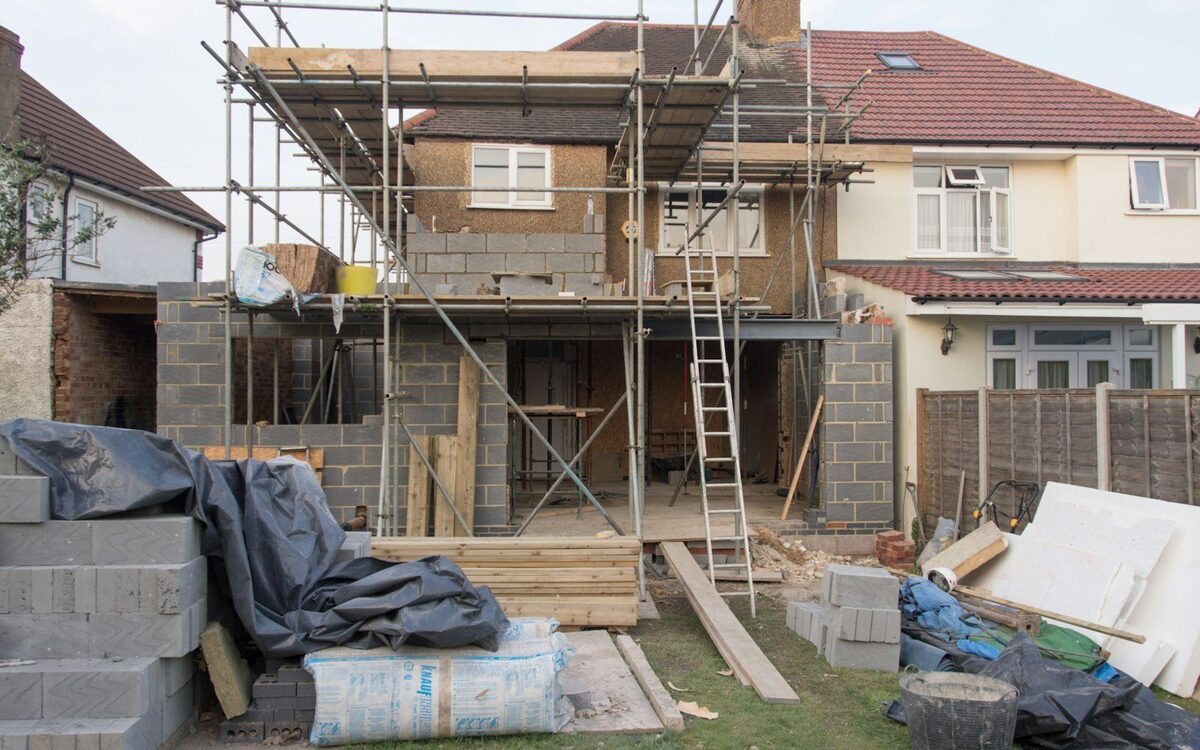
Across Rochester and Monroe County, more families are asking the same question: what if we all lived under one roof? Maybe your parents are ready to leave the big house in the suburbs but want to stay close to family instead of moving into senior living. Maybe an adult child is saving for their own place in a tough housing market. Maybe you're simply planning ahead for the day when caring for a loved one means having them down the hall instead of across town.
Whatever the reason, multi-generational living is no longer the exception — remodeling industry reports suggest it's one of the fastest-growing drivers of home additions nationwide, and we see the same momentum here in Western New York. The in-law suite has gone from niche request to one of the most common addition conversations we have at Ember Works.
And it makes particular sense in Rochester: our housing stock is full of solid older homes with good bones and decent lots, and adding well-designed space often costs far less than two households paying two mortgages, two tax bills, and two sets of utilities. Here's what you should know if multi-generational living is on your family's horizon.
What Counts as an In-Law Suite?
The term covers a wide range, and getting specific early matters — both for budget and for zoning. Most projects fall into one of these tiers:
- A private bedroom and full bathroom — comfortable guest-style living, sharing the main kitchen
- A suite with a sitting area and kitchenette — morning coffee and snacks without sharing every meal, plus real independence
- A full secondary living unit — bedroom, living space, full bath, and full kitchen, sometimes with its own entrance
That last tier may be classified as an accessory dwelling unit (ADU), and the rules vary meaningfully from town to town across Monroe County. Some municipalities welcome ADUs with conditions (owner occupancy, size limits, parking); others restrict full second kitchens or separate units in single-family zones. New York State has also been encouraging municipalities to loosen ADU rules in recent years, so the local landscape continues to evolve. The practical takeaway: confirm your town's zoning before you design, because the difference between a "suite" and a "unit" is often one appliance.
Where Does the Suite Go? Three Common Approaches
1. A First-Floor Addition
The gold standard for aging parents. A ground-level addition off the back or side of the house can deliver a bedroom, accessible bathroom, sitting area, and private entrance with zero stairs. On Rochester's older homes, a well-designed addition can also fix other problems at the same time — a cramped mudroom, a missing first-floor bath, a too-small family room.
2. Converting Existing Space
Basements, attached garages, and underused formal rooms can all become suites at a lower cost than new construction. Basements in particular are popular here — but they demand honest attention to moisture, ceiling height, heat, and egress windows (a code requirement for any basement bedroom). Stairs also make basements a better fit for adult children than for parents with mobility concerns.
3. A Second-Story or Above-Garage Addition
When the lot is tight — common in city neighborhoods and village centers — building up instead of out can work well for younger family members who handle stairs easily.
Design It for Dignity: Independence Is the Whole Point
The best in-law suites thread a needle: close enough for connection, separate enough for privacy — in both directions. Features that consistently make the difference:
- A private or semi-private entrance, so coming and going doesn't require crossing the main living room
- Sound separation — insulated interior walls and solid-core doors are inexpensive and priceless
- A kitchenette sized to local rules: beverage fridge, microwave, sink, counter
- Separate thermostat or zoned heating — comfort preferences differ across generations, especially in a Rochester January
- Laundry in or near the suite
- Natural light — generous windows keep a suite from feeling like an apartment bolted onto the house
Build In Accessibility Now, Not Later
Even if everyone is healthy today, building universal design into the suite costs little during construction and saves enormously later:
- Zero-step entry and 36-inch doorways
- A curbless shower with bench and handheld sprayer
- Blocking in the bathroom walls for future grab bars
- Lever handles, rocker switches, and good lighting throughout
- Nonslip flooring and minimal thresholds
This is where a true design-build process shows its value: our in-house designers plan these details with the build team — 60+ years of combined hands-on experience — in the same conversation, so accessibility is designed in, engineered correctly, and priced honestly from day one.
If your family is starting to weigh the options, schedule a consultation with Ember Works — we'll walk your home with you and lay out which approach fits your house, your lot, and your town's rules.
The Money Conversation: Costs, Value, and Sharing the Load
As typical ranges for the Rochester market — planning numbers, not quotes:
- Converting existing space (basement or garage) into a suite: often $60,000–$120,000
- A first-floor in-law addition with bedroom, accessible bath, and sitting area: commonly $120,000–$250,000+
- A full ADU-style addition with kitchen and private entrance: frequently $200,000–$350,000+
Those are serious numbers — and yet families regularly find the math works, because the comparison isn't "addition versus nothing." It's addition versus years of assisted-living costs, a second mortgage, or a parent's home sale proceeds going entirely to a new household. Many families fund the project jointly, with the proceeds from a parent's home sale covering some or all of the construction. It's worth involving your attorney and financial advisor early so ownership and expectations are clear and everyone's protected.
There's also long-term value: flexible space serves changing needs over decades — in-law suite today, returning college grad's apartment tomorrow, primary-suite-on-the-first-floor for you down the road. In a region where housing inventory is tight, homes that can flex across generations have broad appeal.
Questions to Settle Before You Build
The construction is the easy part — alignment is what makes multi-generational living succeed. Talk through these as a family before design begins:
- How much daily togetherness does everyone actually want?
- Meals: shared, separate, or somewhere in between?
- Who pays for what — construction, utilities, taxes?
- What happens to the space (and any shared investment) if circumstances change?
- What care needs might realistically arrive in the next ten years?
- Does your municipality allow what you're envisioning?
One Roof, Room for Everyone
Multi-generational living done well is one of the most rewarding projects we build: grandparents at Sunday dinner without a drive, built-in babysitting and built-in support, and a house that holds a whole family without anyone losing their independence. The key is designing it deliberately — the right location, the right level of separation, accessibility from day one, and full compliance with your town's rules. If your family is ready to explore an in-law suite or multi-generational addition in the Rochester area, let's start the conversation.
Ignite Your Home's Potential with Ember Works!
Call us today: 585-465-1674
Contact Us: www.emberworksroc.com/contact-us
Ready to Start Your Kitchen or Bathroom Project?
Ember Works is a design‑build firm in Rochester, NY. Our designers and our build team work under one roof, so you get a realistic budget before anything is drawn and one team accountable from the first sketch to the final walkthrough. We design and build custom kitchens and dream primary bathrooms across Rochester, Monroe County, and Western New York, backed by 60 plus years of combined hands-on experience.
‹ Back
Recent Posts
-
Interior Stairs and Railings: The Feature Hiding in Plain Sight
September 19, 2026
-

Kids' Bedrooms and Nurseries: Remodeling for a Growing Family
September 16, 2026
-
Patio or Deck? Choosing the Right Outdoor Surface for Your Yard
September 13, 2026
-
Deck Stairs and Access: Safety, Code, and Getting the Rise Right
September 10, 2026
-