



Website by 
Resources
Second-Story Additions: When Building Up Beats Building Out in Rochester
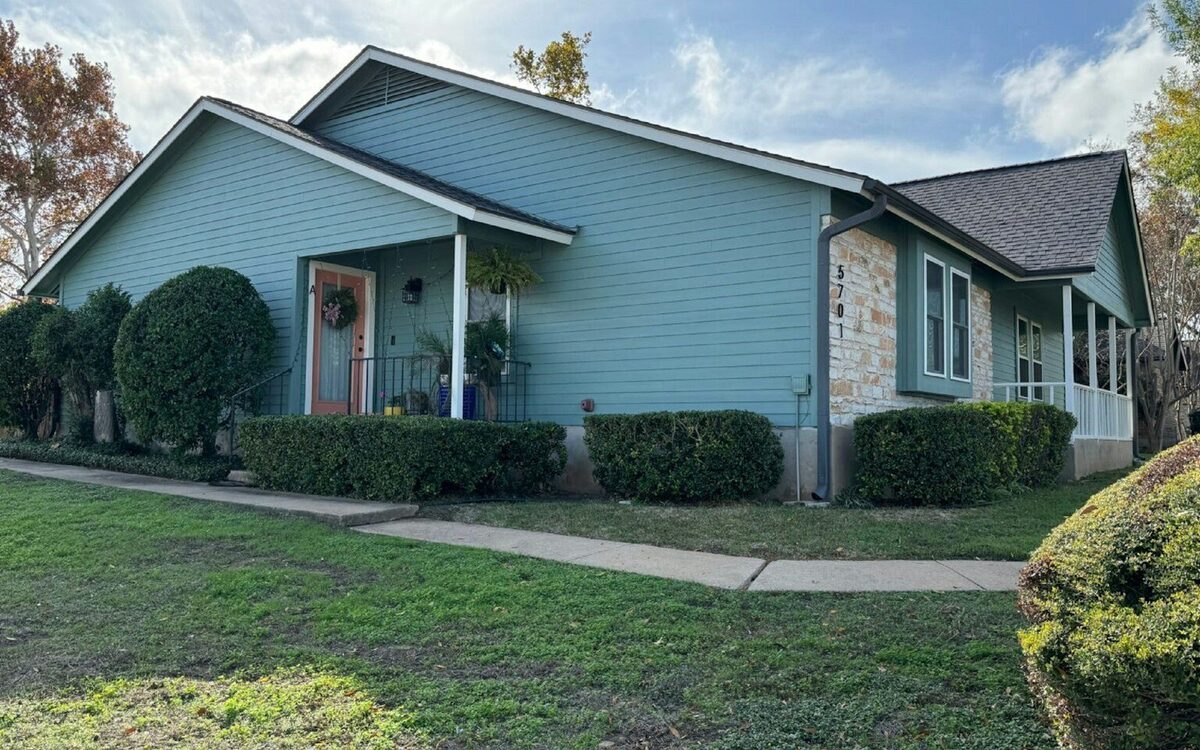
You love your neighborhood. The street, the schools, the ten-minute drive to work, the neighbors who wave when you're shoveling in January. What you don't love is the square footage. For a lot of Rochester families, that's the moment the conversation starts: do we move, or do we add on?
And if you decide to add on, there's a second question that doesn't get asked often enough: do we build out, or do we build up? Most homeowners default to a ground-level addition because it's the version they can picture. But on plenty of Monroe County lots — especially in the city and the first-ring suburbs like Irondequoit, Brighton, and Greece, where yards run modest and setback lines run tight — a second-story addition is the smarter play.
Here's an honest look at when building up beats building out, what it involves, and what it typically costs in our market.
What a Second-Story Addition Actually Is
A second-story addition adds living space on top of your existing footprint instead of beside it. It comes in a few flavors:
- Full second story — removing the roof and adding a complete upper floor across the whole house
- Partial second story — adding upstairs space over one section, like the back of the house or an attached garage
- Garage-top addition — a bonus room, suite, or office built above an existing attached garage
- Dormer expansion — enlarging an existing half-story (common in Rochester's Cape Cods and bungalows) into genuinely usable bedrooms
Each one trades yard space for vertical space — and that trade is exactly why building up makes sense for so many Western New York homes.
When Building Up Beats Building Out
Your lot says so
This is the most common driver in Rochester. Many city and village lots are 40 to 60 feet wide, and once you account for side-yard setbacks, driveways, and rear-yard coverage limits, there's simply nowhere to put a ground-level addition without a variance fight. Building up uses the footprint you already own.
You want to keep your yard
Rochester summers are short and precious. If your backyard hosts the swing set, the garden, the fire pit, and every July cookout, giving up a 400-square-foot bite of it is a real loss. A second story adds the space without touching the grass.
You need bedrooms, not living space
Ground-level additions shine for kitchens, family rooms, and main-floor suites. But if what you actually need is two more bedrooms and a bathroom for a growing family, that program naturally belongs upstairs — and building it upstairs keeps the home's layout logical.
Your foundation math favors it
A ground-level addition needs a brand-new foundation: excavation, footings below the frost line (and our frost line is deep), foundation walls, drainage, backfill. In Western New York, that's a significant chunk of any addition budget, and it's work that's hostage to weather. Building up skips most of it — though, as we'll cover, your existing foundation has to be up to the job.
The Big Question: Can Your House Carry a Second Floor?
This is where second-story additions get real. Your existing structure was engineered (or in a 1920s home, simply built) to carry one story plus a roof. Adding a floor means the foundation, first-floor walls, and footings all need to handle more load. Before anything else happens, a design-build team will evaluate:
- Foundation condition and capacity — many older Rochester foundations are stone or early block, and some need reinforcement
- First-floor wall framing — bearing walls may need beefing up or new point loads carried down
- Footing size and depth relative to the new loads
- HVAC, plumbing, and electrical capacity — a doubled house often needs a second zone, a larger panel, and new supply runs
- Stair placement — a code-compliant staircase eats roughly 35–45 square feet of your first floor, and where it lands shapes the whole plan
None of these are deal-breakers by default. They're knowable, solvable engineering questions — but you want them answered on paper, before demolition, by a team whose designers and builders are talking to each other daily.
What Second-Story Additions Typically Cost in Rochester
Every house is different, but for planning purposes, here are typical ranges for our market — ballparks, not quotes:
- Dormer expansion of an existing half-story: roughly $60,000–$130,000
- Partial second story or garage-top suite: roughly $125,000–$250,000
- Full second-story addition: roughly $250,000–$450,000+
That sounds like serious money — and it is — but compare it honestly against the alternative: selling, paying closing costs and moving expenses, and buying a larger home at today's prices and interest rates, likely in a neighborhood you like less. For many families, building up is the more rational number.
If you're weighing building up against building out — or against moving altogether — schedule a consultation with Ember Works and we'll walk you through what your home and your lot can realistically support.
The Roof Question: Living in the House During Construction
The honest answer about full second-story additions: there's a stretch where your house has no roof, and that takes planning. An experienced crew manages it with temporary weather protection, tight sequencing, and — critically in Rochester — smart scheduling around our seasons. The roof typically comes off and the new structure gets framed and dried-in within a matter of days to a couple of weeks, not months.
Things that make this phase go smoothly:
- Scheduling the open-roof window for our drier late-spring through early-fall stretch
- Pre-building and pre-ordering everything possible before demolition day
- Daily weather monitoring and robust temporary covering
- Honest conversations up front about whether you'll stay in the home or relocate for a few weeks
Partial additions and garage-top projects are far less disruptive — often the family stays home for the entire build.
Designing It So It Doesn't Look "Added On"
You've seen the second story that looks like a box dropped on a ranch by a passing crane. The difference between that and an addition that looks original comes down to design: matching or intentionally complementing rooflines, aligning windows with the floor below, carrying siding and trim details up, and proportioning the massing to the neighborhood. This is exactly where a true design-build firm earns its keep — our in-house designers shape the exterior while our build team, with 60+ years of combined hands-on experience, confirms every detail is buildable on your actual structure and your actual budget.
Let's Find Out What's Above Your Ceiling
If your family is bursting at the seams but your roots in Rochester run deep, building up deserves a serious look. The right answer depends on your lot, your foundation, your floor plan, and your budget — and those are questions we can start answering in a single conversation. Ember Works designs and builds additions across Rochester, Monroe County, and Western New York, and we'd be glad to help you figure out whether your next bedroom is sitting right above your living room.
Ignite Your Home's Potential with Ember Works!
Call us today: 585-465-1674
Contact Us: www.emberworksroc.com/contact-us
Ready to Start Your Kitchen or Bathroom Project?
Ember Works is a design‑build firm in Rochester, NY. Our designers and our build team work under one roof, so you get a realistic budget before anything is drawn and one team accountable from the first sketch to the final walkthrough. We design and build custom kitchens and dream primary bathrooms across Rochester, Monroe County, and Western New York, backed by 60 plus years of combined hands-on experience.
‹ Back
Recent Posts
-
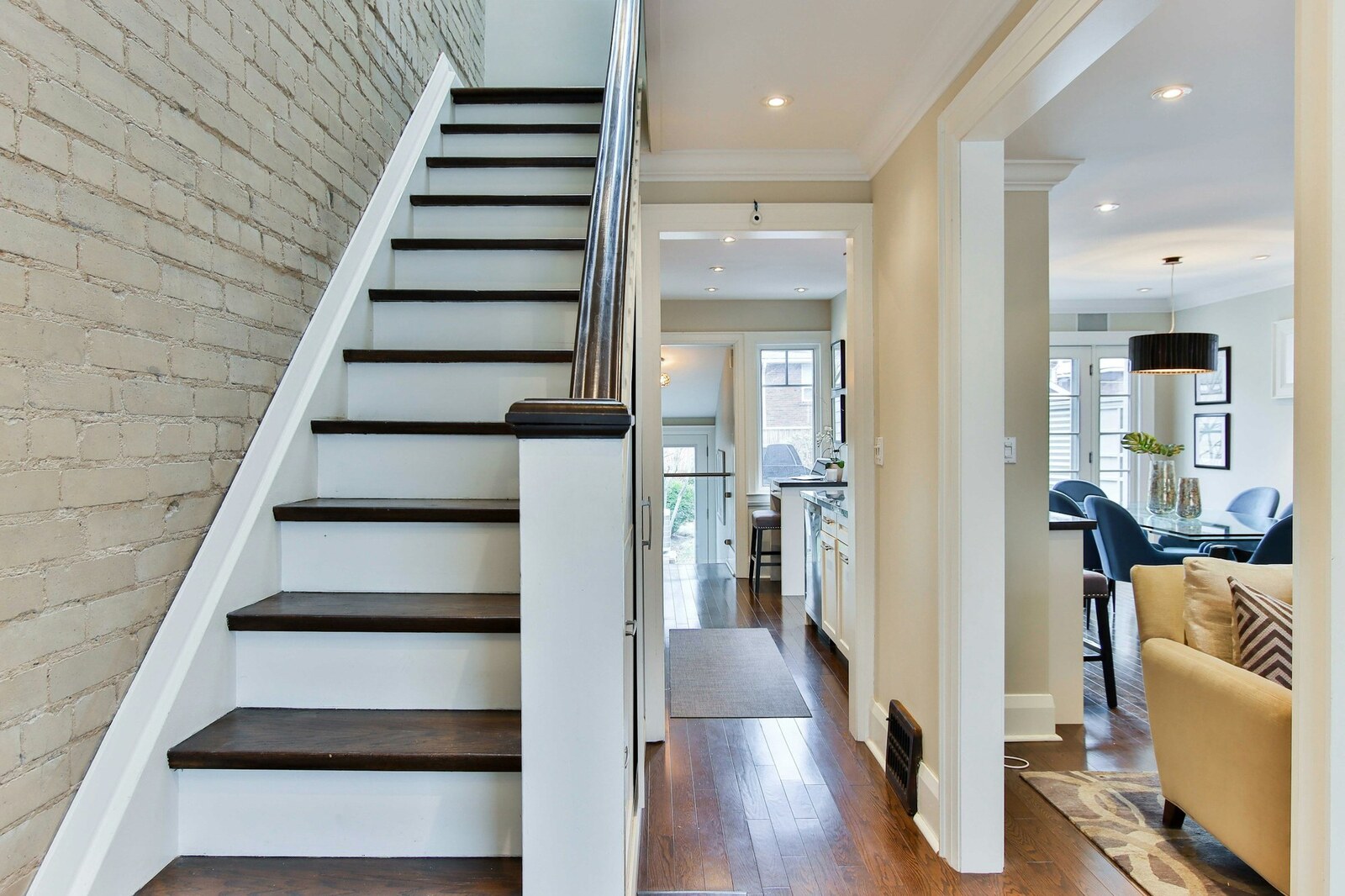
Interior Stairs and Railings: The Feature Hiding in Plain Sight
September 19, 2026
-

Kids' Bedrooms and Nurseries: Remodeling for a Growing Family
September 16, 2026
-
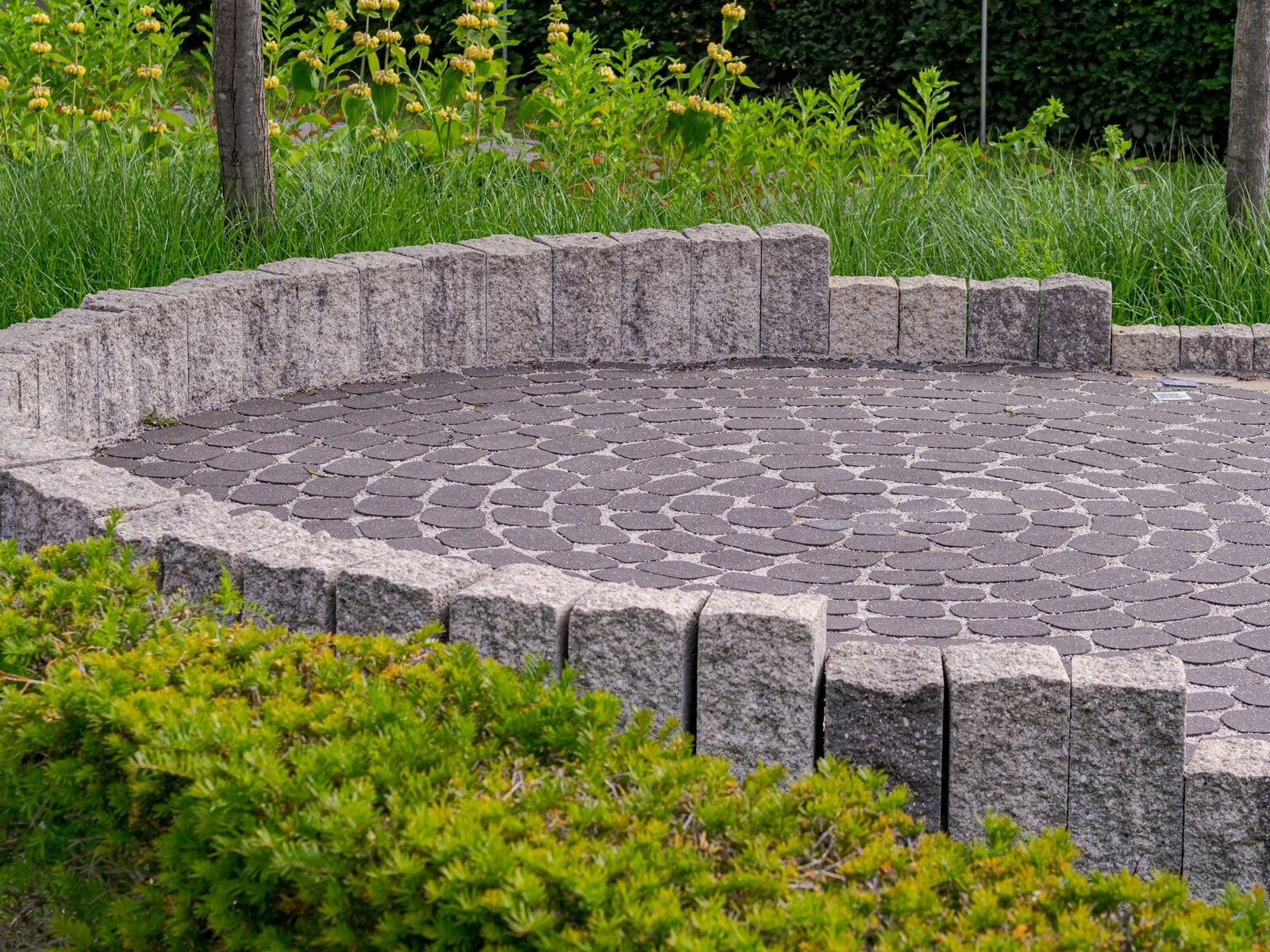
Patio or Deck? Choosing the Right Outdoor Surface for Your Yard
September 13, 2026
-
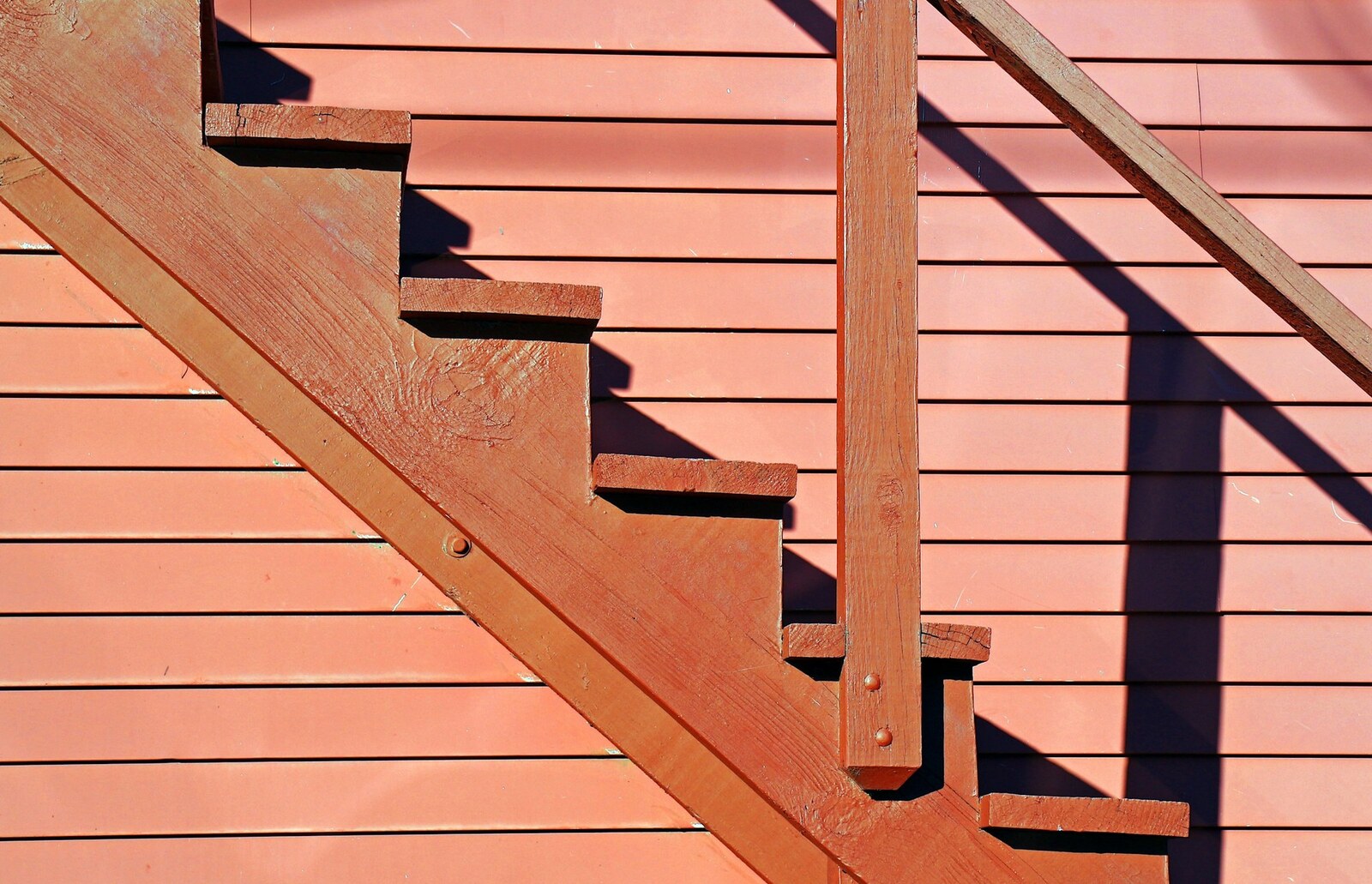
Deck Stairs and Access: Safety, Code, and Getting the Rise Right
September 10, 2026
-