


Website by 
Resources
Primary Suite Additions: What Rochester Homeowners Should Know Before They Build
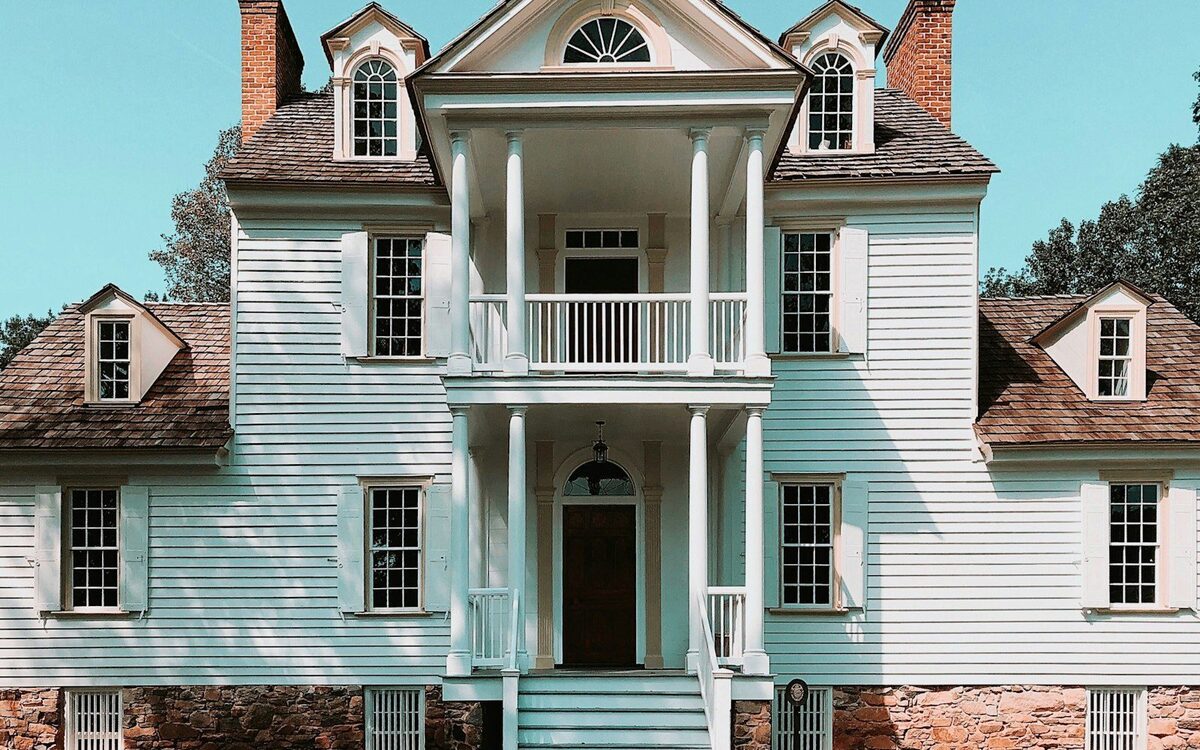
There's a particular kind of bedroom frustration that comes standard with Rochester's older housing stock. Maybe it's the 1925 colonial with four small bedrooms and one bathroom for the whole upstairs. Maybe it's the cape with charming sloped ceilings that make half the room unusable. Or the ranch where "primary bedroom" means twelve more square feet than the kids' rooms and a closet that fits one season of clothing.
If that sounds familiar, you've probably already daydreamed about a primary suite addition: a real bedroom, a private bathroom, a closet you can walk into, and a door you can close on the rest of the house. It's one of the most life-changing projects we build — and also one where homeowners benefit most from knowing the realities before they commit.
Here's the straight talk on what a primary suite addition involves in Rochester, what it typically costs, and the decisions that matter most.
What Actually Makes a Primary Suite
A suite is more than a big bedroom. The components that earn the name:
- The bedroom itself — typically 14x16 feet or larger, with space for a king bed and real furniture
- A private full bathroom — double vanity, walk-in shower, and for many, a freestanding tub
- A walk-in closet — or two, which ends more marital negotiations than any other feature
- Separation — acoustic and visual privacy from kids' rooms and living spaces
- Comfort details — its own heating/cooling zone, good natural light, maybe a coffee bar or sitting nook
Not every suite needs every item. Part of the design conversation is deciding which of these earns its square footage in your home — because every square foot you add has a price.
Build Out, Build Up, or Convert?
There are three basic paths to a primary suite, and your lot, your foundation, and your budget will push you toward one of them.
Build out: the first-floor addition
Extending off the back or side of the house at ground level. This is the most common route, and it has a bonus that matters more every year: first-floor living. A ground-level suite lets you stay in your home comfortably for decades — a major theme for Rochester homeowners thinking about aging in place. The trade-off is yard space and lot setback rules, which vary by town across Monroe County.
Build up: the second-story addition
Adding above an existing one-story section, often a garage or family room wing. It preserves the yard and can capture great light and privacy. It also demands careful structural evaluation — the existing foundation and framing must carry the new load — and it's a more disruptive build while the roof is open. In a region with our weather, sequencing and weather protection are everything; this is not a project for a crew that improvises.
Convert: reworking existing space
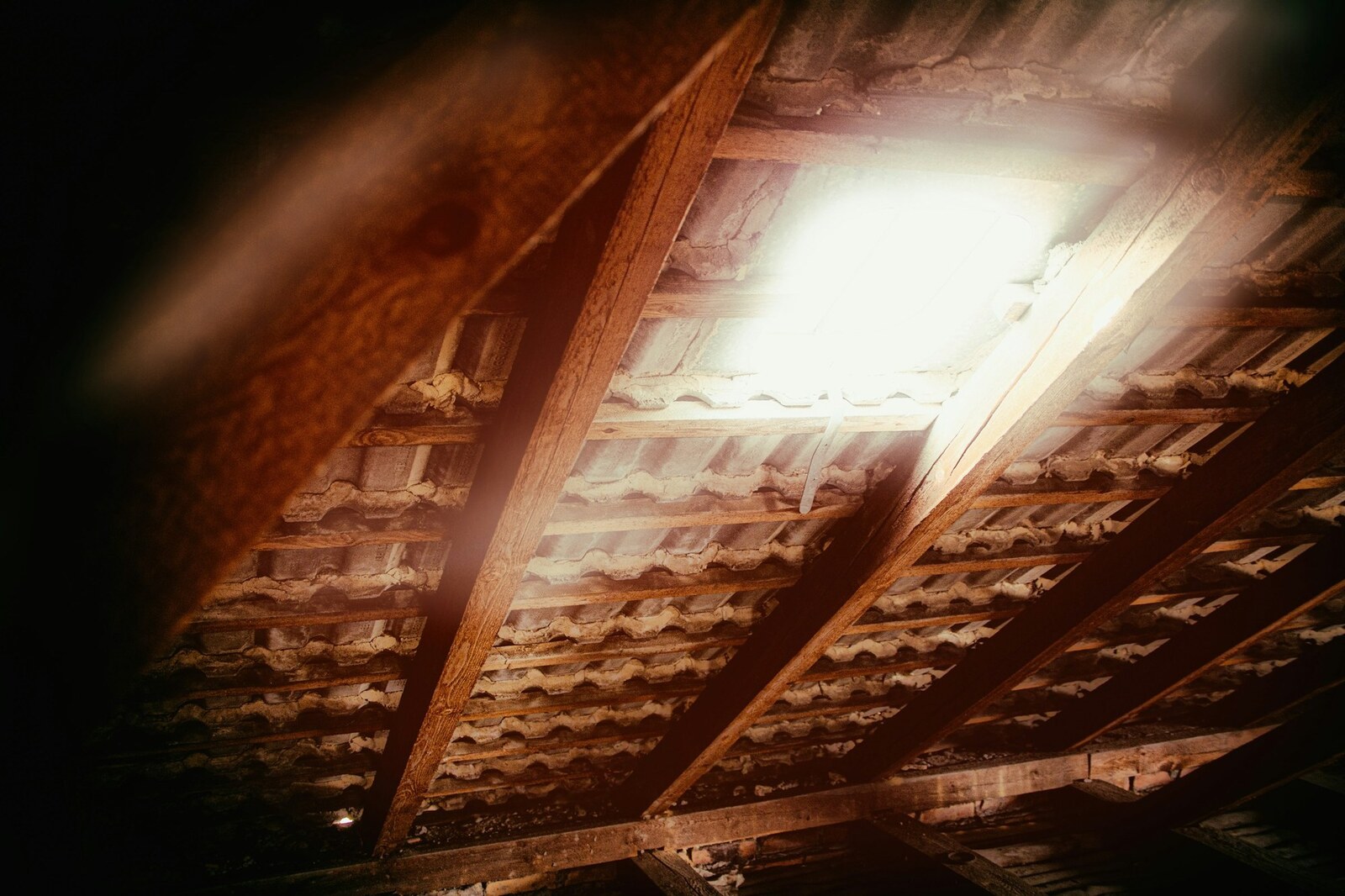
Sometimes the suite is already hiding in your house: two small bedrooms combined, an attic with enough headroom, or a bonus room over the garage. Conversions typically cost meaningfully less than new construction because the shell already exists. The honest catch: you're trading away a bedroom or storage, which can matter for resale in family neighborhoods like Greece, Webster, or Penfield.
What Primary Suite Additions Typically Cost in Rochester
These are typical planning ranges for our market — not quotes — and finishes move them a lot:
- Converting existing space into a suite with a new bathroom: roughly $60,000–$120,000
- A first-floor suite addition (roughly 300–450 sq ft with full bath and closet): roughly $125,000–$250,000
- A second-story suite addition: often $150,000–$300,000+ depending on structural work
Why the wide ranges? Bathrooms are the most expensive square footage in any home, and a suite includes one. Foundations, roof tie-ins, matching existing siding and rooflines on an older home, and HVAC extensions all add up. Remodeling industry reports generally show primary suite additions returning a meaningful portion of their cost at resale — but the bigger return is daily: this is space you use twice a day, every day, for as long as you own the home.
The Questions to Settle Before You Design
The best suite additions get a handful of decisions right early:
- Zoning and setbacks: how close to the property line can you build in your town?
- Where does it connect? The hallway and transition into the suite shape how private it feels
- Sun and seasons: east light for early risers, west for sunset views — and window placement that handles Rochester winters without feeling like a freezer
- Mechanical strategy: extend your existing HVAC or give the suite its own zone (often the better answer)
- Plumbing routes: locating the new bath near existing stacks saves real money
- Resale math: will your home still have the bedroom count your neighborhood expects?
This is exactly the stage where design-build proves its worth. At Ember Works, our in-house designers and our build team — 60+ years of combined hands-on experience — work the design together, so the suite you fall in love with on paper is one that's structurally sound, code-compliant in your municipality, and honestly priced before anything is finalized. No handoff gap between a designer's vision and a builder's reality.
If you're weighing build-out versus build-up — or wondering whether your house can support either — set up a consultation with Ember Works and we'll walk your home with you and lay out the realistic options.
Details Worth Splurging On (and a Few That Aren't)
Worth it
- Sound insulation in the walls between the suite and the rest of the house
- A properly sized walk-in shower with a bench and good ventilation
- Closet built-ins designed for your actual wardrobe
- In-floor heat in the bathroom — ask anyone who has it about February mornings
- Generous windows with quality glazing for light without winter drafts
Think twice
- A soaking tub nobody will use (be honest with yourself — that footprint could be closet)
- Oversized sitting rooms that become furniture storage
- Trend-heavy finishes that will date the space in five years
Living Through the Build
One genuine advantage of a suite addition over many remodels: most of the work happens outside your existing walls. Until the day the crew opens the connection between old and new, your daily life stays mostly intact. Expect a typical first-floor suite addition to run several months from groundbreaking to move-in, with the schedule shaped by Western New York's weather windows — foundations and framing want cooperative conditions, which is why design work done over the winter positions you perfectly for a spring start.
Ready for the Bedroom Your Home Never Gave You?
A primary suite addition is a big decision — and with the right team, one of the most satisfying projects you'll ever do. Ember Works designs and builds additions across Rochester, Monroe County, and Western New York, from the first sketch to the morning you wake up in it.
Ignite Your Home's Potential with Ember Works!
Call us today: 585-465-1674
Contact Us: www.emberworksroc.com/contact-us
Ready to Start Your Kitchen or Bathroom Project?
Ember Works is a design‑build firm in Rochester, NY. Our designers and our build team work under one roof, so you get a realistic budget before anything is drawn and one team accountable from the first sketch to the final walkthrough. We design and build custom kitchens and dream primary bathrooms across Rochester, Monroe County, and Western New York, backed by 60 plus years of combined hands-on experience.
‹ Back
Recent Posts
-
Interior Stairs and Railings: The Feature Hiding in Plain Sight
September 19, 2026
-

Kids' Bedrooms and Nurseries: Remodeling for a Growing Family
September 16, 2026
-
Patio or Deck? Choosing the Right Outdoor Surface for Your Yard
September 13, 2026
-
Deck Stairs and Access: Safety, Code, and Getting the Rise Right
September 10, 2026
-