




Website by 
Resources
Deck Maintenance 101: Protecting Your Investment Through Western New York's Seasons
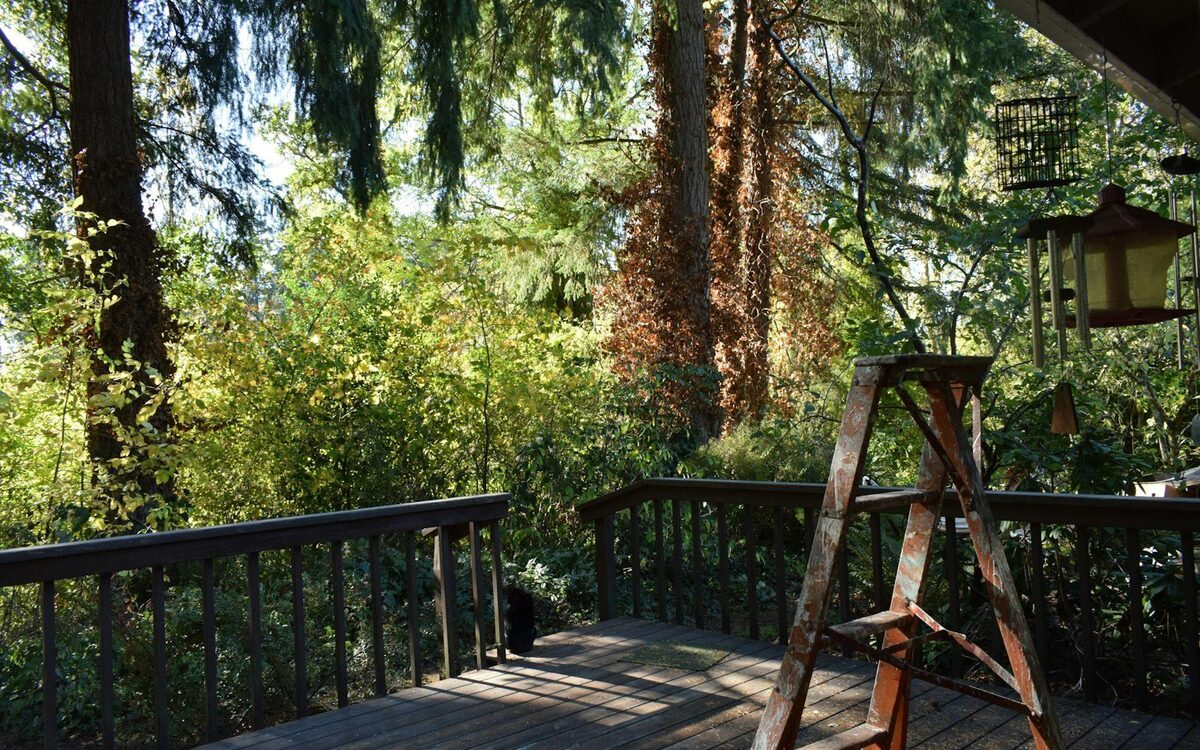
A deck in Western New York lives a hard life. It bakes through July afternoons, drinks up weeks of autumn rain, disappears under lake-effect snow for months, and then gets hit with the freeze-thaw cycle — that relentless expand-and-contract rhythm that pries open wood grain, works fasteners loose, and finds every weak point you didn't know you had. Then April arrives and we ask it to look great for graduation parties.
The decks that thrive here aren't lucky. They're maintained — usually with just a few hours of attention a couple of times a year. Whether your deck is pressure-treated pine, cedar, or composite, a simple seasonal routine can add a decade or more to its life and keep it safe for every cookout in between.
Here's the full playbook, organized the way Rochester actually experiences the year: season by season.
Spring: The Big Inspection and Wake-Up
Spring is the most important deck weekend of the year. Winter just spent five months trying to take your deck apart; now you find out where it succeeded.
Start with a safety walk-through
- Ledger board — the connection between deck and house is the single most critical (and most failure-prone) point on any deck; look for rot, rust-streaked fasteners, and gaps
- Posts and footings — check for frost heave, which can lift or tilt footings after a hard winter; a newly out-of-level deck is telling you something
- Railings and balusters — push firmly on every section; anything that wiggles gets fixed before the first guest leans on it
- Stairs and stringers — probe for soft spots where stringers meet the ground
- Boards and fasteners — flag cupped, cracked, or spongy boards and popped screws or nails
- Flashing — confirm water is being directed away from the ledger, not behind it
Probe suspect wood with a screwdriver. If the tip sinks in easily, that's rot — and rot never gets smaller on its own.
Then clean
A thorough wash removes the winter's grime, mildew, and the organic debris that holds moisture against the surface. Use a deck cleaner appropriate to your material and a stiff brush or a pressure washer on a low, fan-tip setting — aggressive pressure washing shreds wood fibers and voids many composite warranties. Clear every gap between boards so water can drain the way the deck was designed to.
Early Summer: Seal and Protect (Wood Decks)
If you have a wood deck, this is the season that determines how it ages. Western New York gives you a fairly narrow window of warm, dry stretches — use one of them.
- Test if it's time: sprinkle water on the boards. If it soaks in instead of beading, the deck needs sealing.
- Stain or seal every 2–3 years for horizontal surfaces; railings often go longer
- Pick the right product: semi-transparent stains generally outlast clear sealers here, and they fail by fading rather than peeling
- Watch the forecast: you want 48 dry hours and moderate temps — a classic late-June Rochester ask
For budgeting, typical Rochester-area ranges: a DIY clean-and-seal runs $100–$300 in materials; professional cleaning and staining typically lands around $700–$2,000 depending on deck size and condition. Compare that to replacing a neglected deck and it's some of the cheapest insurance you can buy.
Composite owners, you're not off the hook entirely — composite doesn't need sealing, but it does need washing to prevent mildew, and its fasteners and substructure (which are usually still wood) need the same inspections as everyone else's.
Mid-Summer: Live On It, but Watch the Details
Peak season is mostly for enjoying the thing, but a few small habits prevent big problems:
- Move planters periodically — trapped moisture under pots is a rot factory
- Use a grill mat to catch grease, which stains wood and composite alike
- Sweep pollen and debris out of board gaps after storms
- Tighten any fastener that's worked proud before it catches a bare foot
- Trim back vegetation that shades the deck and keeps it damp
If your spring inspection turned up issues beyond a quick fix — a questionable ledger, heaved footings, widespread soft boards — summer is the time to address them, while contractors can work in good weather. Reach out to Ember Works for an honest assessment; sometimes the right answer is a targeted repair, and sometimes you're two repairs away from where a rebuild makes more sense. We'll tell you which, straight.
Fall: The Most Skipped (and Most Valuable) Season
Fall maintenance is what separates decks that age gracefully from decks that don't, because everything you leave on the deck in November is still there — wet, frozen, and working — until March.
- Clear leaves completely and repeatedly. Wet leaf mats trap moisture and leach tannins that stain
- Clean the gaps between boards one more time so winter melt can drain
- Clean nearby gutters — overflowing gutters that dump onto a deck are a leading cause of localized rot and ledger damage
- Store or cover furniture; furniture feet sitting all winter create slow-drying wet spots
- Do a final fastener-and-railing check before snow hides everything
Winter: Snow Strategy Matters
You don't have to keep a deck shoveled all winter, but when you do clear it, technique counts:
- Shovel parallel to the boards with a plastic shovel — metal edges gouge wood and composite
- Skip rock salt on wood decks; it accelerates corrosion of fasteners and dries out the wood. Calcium chloride products labeled deck-safe are gentler, and composite makers publish their own approved lists
- Don't chip ice. Let deck-safe melt products do the work
- Mind the snow load in a heavy lake-effect year — an older or undersized deck carrying several feet of dense snow is worth clearing
- Keep the path to the grill clear — this is Rochester; we know you're out there in January
Know When Maintenance Becomes Replacement
Even a well-kept deck has a lifespan — typically 15–25 years for pressure-treated wood in our climate, longer for composite. It's time to talk replacement rather than repair when you see:
- Rot in structural members — posts, beams, joists, or the ledger — not just deck boards
- Footings that heave or sink year after year
- Widespread fastener corrosion, especially on decks built before modern hardware standards
- A repair list that's approaching half the cost of rebuilding
- A layout that never really worked for how your family uses it anyway
That last one matters more than people admit. If you're going to invest in major repairs, it's worth asking whether the same money — or a bit more — should go toward the deck you actually want. As a design-build firm, Ember Works can look at it from both sides: our build team, with 60+ years of combined hands-on experience, can judge the structure honestly, and our in-house designers can show you what's possible if the answer is "start fresh."
Protect the Investment You've Already Made
A deck is one of the best-loved square feet of any Western New York home — for the four months we earn the hard way and the shoulder seasons we stretch out of sheer stubbornness. A few hours of seasonal care keeps it safe, beautiful, and standing for decades. And when your deck needs more than maintenance — repairs, an upgrade, or a full rebuild — Ember Works designs and builds decks across Rochester, Monroe County, and Western New York that are made for exactly this climate.
Ignite Your Home's Potential with Ember Works!
Call us today: 585-465-1674
Contact Us: www.emberworksroc.com/contact-us
Ready to Start Your Kitchen or Bathroom Project?
Ember Works is a design‑build firm in Rochester, NY. Our designers and our build team work under one roof, so you get a realistic budget before anything is drawn and one team accountable from the first sketch to the final walkthrough. We design and build custom kitchens and dream primary bathrooms across Rochester, Monroe County, and Western New York, backed by 60 plus years of combined hands-on experience.
‹ Back
Recent Posts
-
Kitchen Work Zones: Why the Work Triangle Is Not Enough Anymore
September 25, 2026
-

Choosing Paint Colors That Actually Work in Rochester's Light
September 22, 2026
-
Interior Stairs and Railings: The Feature Hiding in Plain Sight
September 19, 2026
-

Kids' Bedrooms and Nurseries: Remodeling for a Growing Family
September 16, 2026
-
Patio or Deck? Choosing the Right Outdoor Surface for Your Yard
September 13, 2026