


Website by 
Resources
Deck Railing Options: Style, Safety, and What Monroe County Code Requires
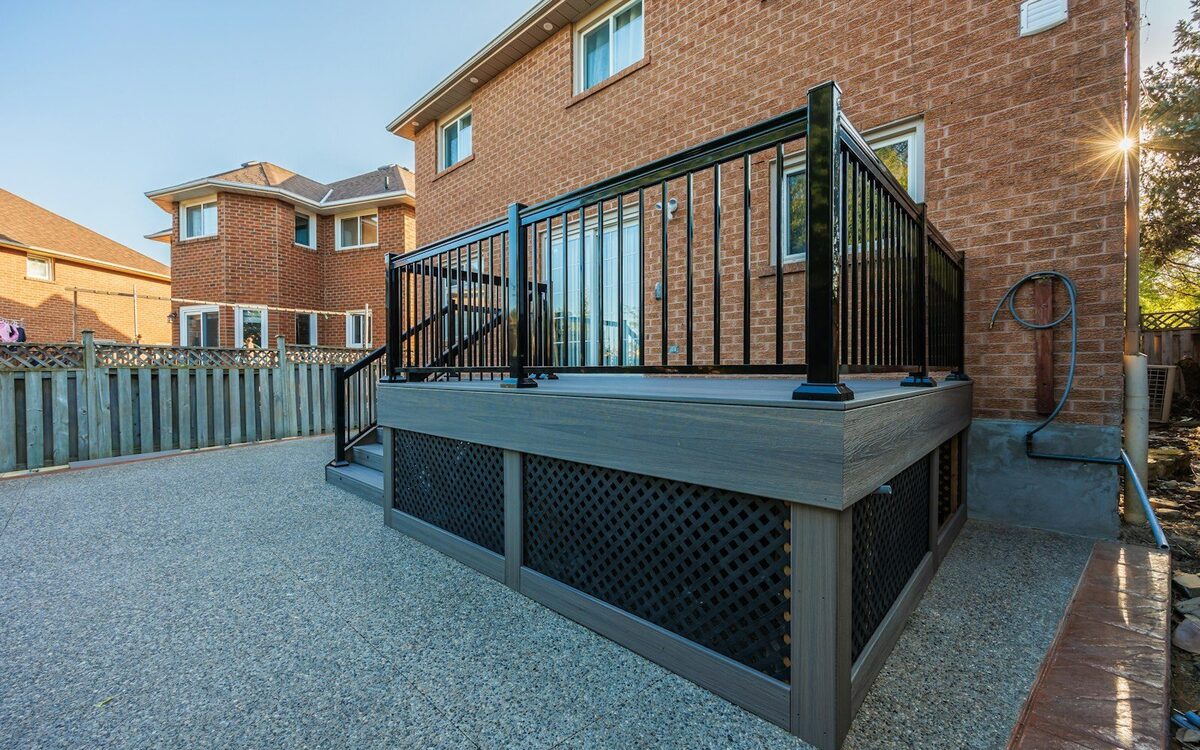
Railings might be the most underrated decision in any deck project. They're the part of your deck you actually see from inside the house, the part your guests lean on at the Fourth of July cookout, and the part the building inspector measures with a tape. Style, safety, and code all meet right there at the rail.
In Rochester and across Monroe County, railing choices carry extra weight — literally. Our freeze-thaw cycles, lake-effect snow, and humid summers punish outdoor materials harder than almost anywhere in the country. A railing that looks great in a catalog photo from Arizona might look tired here in five years.
Here's how to think through railing materials, what New York's residential code generally requires, and how to land on a railing you'll love looking at for decades.
First, the Safety Rules: What Code Generally Requires
Deck guards and railings in Monroe County fall under the Residential Code of New York State, and your town or village building department has the final word. Requirements can vary with your specific situation, but these are the typical standards a residential deck needs to meet:
- When guards are required: decks with a walking surface more than 30 inches above grade generally must have guards
- Guard height: typically a minimum of 36 inches for residential decks
- Baluster spacing: openings generally can't allow a 4-inch sphere to pass through — that's a child-safety rule, and inspectors check it
- Stair handrails: stairs with four or more risers typically need a graspable handrail set between 34 and 38 inches above the stair nosings
- Strength: guards must resist substantial concentrated loads — which is why post attachment details matter as much as the rail itself
Two honest notes here. First, always confirm requirements with your local building department, because municipalities across Monroe County can interpret and enforce details differently. Second, the most common railing failures we see aren't the rails — they're the connections. A beautiful railing bolted to a flimsy post is a code violation waiting for an inspector and a hazard waiting for a guest.
Railing Materials, Ranked for Western New York Reality
Pressure-Treated Wood
The budget classic. Treated lumber railings are affordable and easy to repair, but in our climate they demand regular staining or sealing to fight checking, splintering, and graying. Expect to put in maintenance weekends — or accept a weathered look.
Composite and PVC Railing Systems
Engineered railing systems matched to composite decking have become the most popular choice on our Rochester projects, and for good reason: no staining, no splinters, and excellent resistance to moisture and freeze-thaw stress. Color options have come a long way, from crisp white to deep bronze and black.
Aluminum
Powder-coated aluminum is light, strong, slim, and essentially maintenance-free — a great match for snow country because it sheds weather without corroding the way steel can. Slender balusters also preserve your view better than chunky wood.
Cable Railing
Horizontal stainless cables deliver a modern look and nearly invisible sightlines — wonderful if your deck looks out over a wooded lot or water. Cables need periodic re-tensioning, and the hardware is an investment, but the view-preserving payoff is real.
Glass Panels
Maximum view, maximum wind block, modern style. The trade-off in Western New York: glass shows pollen, rain spots, and snow spray, so plan on regular cleaning. Tempered safety glass is a must.
Typical Railing Costs in the Rochester Market
Railings are priced by the linear foot, installed. These are typical local planning ranges, not quotes, and complex layouts or stairs add to them:
- Pressure-treated wood: roughly $30 to $60 per linear foot
- Composite/PVC systems: roughly $60 to $120 per linear foot
- Aluminum: roughly $70 to $130 per linear foot
- Cable railing: roughly $90 to $180 per linear foot
- Glass panel systems: roughly $150 to $300+ per linear foot
On a typical deck, the railing can account for a quarter to a third of the total project cost — sometimes more than the decking itself. That surprises a lot of homeowners, and it's exactly why railings deserve a real decision instead of an afterthought.
Style Decisions That Make or Break the Look
Once safety and budget are settled, a few design choices do most of the visual work:
- Color contrast — black or bronze railings against warm-toned decking is the look dominating new builds across Monroe County
- Post caps and lighting — low-voltage cap lights extend summer evenings on the deck well past sunset
- Drink rails — a flat top rail wide enough for a glass turns the perimeter into usable surface
- Matching the house — railings read best when they echo your home's trim color or architectural era, which matters in Rochester's older neighborhoods
- Sightlines from inside — stand at your kitchen window and picture the railing; you'll see it from there more than from the deck
Not sure which direction fits your home and budget? Schedule a consultation with Ember Works and our design team will bring samples, talk through code requirements for your property, and price the options side by side.
Replacing a Railing on an Existing Deck
Plenty of Rochester decks have structurally sound frames wearing out their original wood rails. Swapping to a composite or aluminum system can refresh the whole deck for a fraction of a rebuild — but it comes with a caveat. New railings must attach to sound structure, and the inspection that precedes a railing swap often reveals the real condition of posts, rim joists, and ledger connections. That's not a bad thing: better to find soft framing during a railing project than during a crowded graduation party.
A railing upgrade is also the natural moment to bring an older deck up to current code, since grandfathered railings that were legal decades ago may not meet today's height and spacing standards.
Built Right, Inspected Once, Enjoyed for Decades
As a true design-build firm, Ember Works handles deck and railing projects from design through final inspection — in-house designers to get the look right, and a build team with 60+ years of combined hands-on experience to get the connections, footings, and code details right the first time. We work throughout Rochester, Monroe County, and Western New York, and we know what local inspectors look for because we see them all the time.
Whether you're building new or giving a tired deck a second life, let's design a railing that's safe, code-compliant, and genuinely beautiful from both sides of the glass.
Ignite Your Home's Potential with Ember Works!
Call us today: 585-465-1674
Contact Us: www.emberworksroc.com/contact-us
Ready to Start Your Kitchen or Bathroom Project?
Ember Works is a design‑build firm in Rochester, NY. Our designers and our build team work under one roof, so you get a realistic budget before anything is drawn and one team accountable from the first sketch to the final walkthrough. We design and build custom kitchens and dream primary bathrooms across Rochester, Monroe County, and Western New York, backed by 60 plus years of combined hands-on experience.
‹ Back
Recent Posts
-
Interior Stairs and Railings: The Feature Hiding in Plain Sight
September 19, 2026
-

Kids' Bedrooms and Nurseries: Remodeling for a Growing Family
September 16, 2026
-
Patio or Deck? Choosing the Right Outdoor Surface for Your Yard
September 13, 2026
-
Deck Stairs and Access: Safety, Code, and Getting the Rise Right
September 10, 2026
-