






Website by 
Resources
What Permits Do You Actually Need for a Remodel in Rochester, NY?
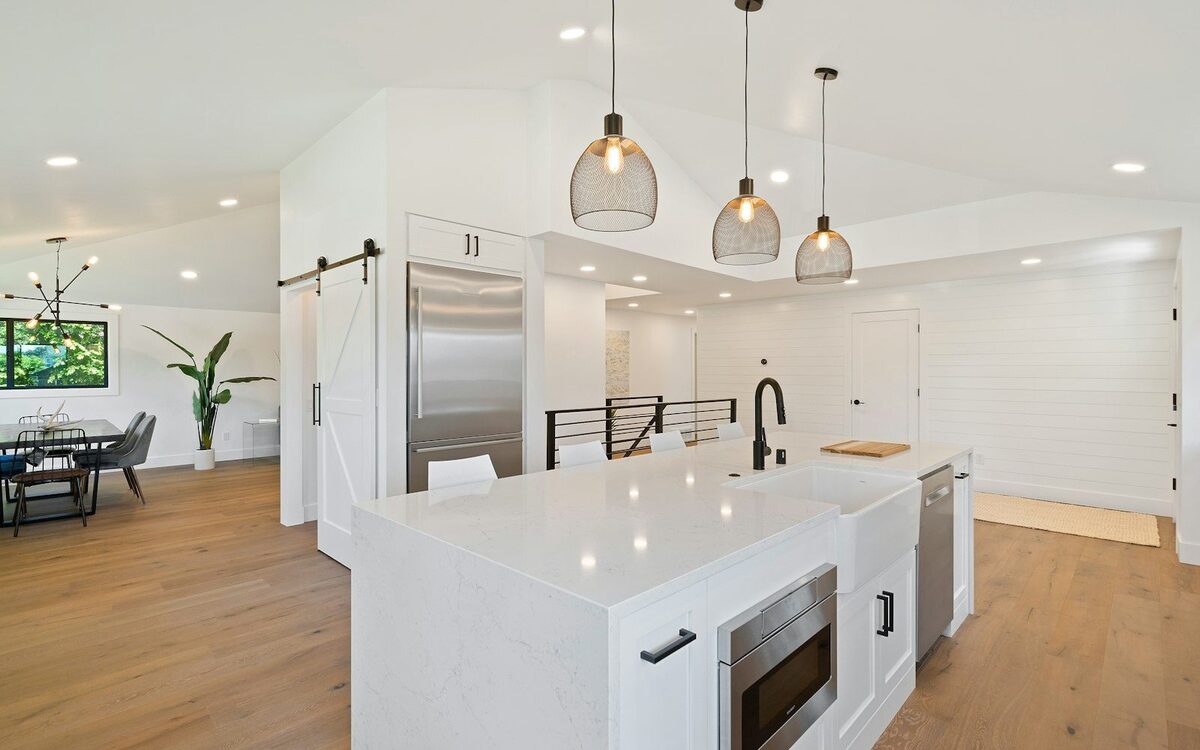
Few words make a Rochester homeowner's eyes glaze over faster than "building permit." It sounds like paperwork, fees, and waiting — and let's be honest, more than a few remodels in Monroe County have quietly happened without one. But here's the thing: permits exist to protect you, your family, and the single biggest investment you own. And when it comes time to sell a home in Brighton, Irondequoit, Greece, or anywhere else in Western New York, unpermitted work has a way of surfacing at the worst possible moment.
The good news? Once you understand how the permit process actually works, it's far less intimidating than it sounds. Even better, when you work with a design-build firm like Ember Works, permit research and applications are typically handled for you as part of the project — so you can focus on picking finishes instead of deciphering forms.
Let's walk through what usually requires a permit in the Rochester area, what typically doesn't, and how to keep your project on the right side of the inspector.
Why Permits Matter More Than You Think
A permit isn't just a fee — it's a third-party check that your project meets New York State building and residential codes. That matters for a few practical reasons:
- Safety: Electrical, structural, and gas work gone wrong can be dangerous or deadly
- Insurance: Claims related to unpermitted work can be reduced or denied
- Resale: Buyers' attorneys and inspectors routinely flag work with no permit history
- Refinancing: Appraisers may not count unpermitted square footage
- Peace of mind: An inspection confirms the work was done right, not just done fast
In a region like ours — full of homes built in the 1920s, 1950s, and 1970s — many remodels uncover outdated wiring, undersized framing, or plumbing quirks. The permit and inspection process is what makes sure those issues get corrected instead of buried behind new drywall.
Projects That Almost Always Require a Permit
Every municipality in Monroe County administers permits a little differently — the City of Rochester, the towns of Greece, Penfield, Webster, Pittsford, Henrietta, and the rest each have their own building department. But across the board, you should expect to need a permit for:
- Additions of any kind, including sunrooms and bump-outs
- Structural changes — removing or altering load-bearing walls, changing rooflines
- Decks, especially anything attached to the house or raised off grade
- Finished basements and basement bedrooms (egress requirements apply)
- New or relocated plumbing and electrical — common in kitchen and bath remodels
- Furnace, water heater, and HVAC replacements
- Garage conversions and any change in how a space is used
Notice that a "simple" kitchen remodel often lands on this list. If you're moving the sink, adding circuits for new appliances, or relocating a gas line for the range, that's permit territory in most towns — even if you're not touching a single wall.
Work That Often Doesn't Need a Permit
Plenty of cosmetic projects can typically proceed without a permit in most Monroe County municipalities:
- Painting, wallpaper, and interior trim work
- Flooring replacement (carpet, hardwood, vinyl plank)
- Cabinet replacement in the same layout, with no plumbing or electrical changes
- Countertop swaps
- Replacing a faucet or toilet in the same location
- Minor repairs that don't alter structure or systems
One important caution: "doesn't need a permit" is a moving target that varies town by town. Some municipalities want a permit for roofing or siding replacement; others don't. Fence height rules, shed size thresholds, and deck exemptions all differ. The only authoritative answer comes from your local building department — a five-minute phone call before you start can save you a stop-work order later.
What the Permit Process Actually Looks Like
For a typical remodeling project in the Rochester area, the process generally runs like this:
- Application: Forms plus drawings or plans describing the work
- Plan review: The building department checks the design against state code
- Permit issuance: Fees are usually based on project value or scope
- Inspections: Key stages — footings, framing, rough plumbing/electrical, insulation
- Final inspection: Sign-off once everything is complete
- Certificate of compliance or occupancy: Your proof the work was approved
Timelines vary. A straightforward bathroom permit might be issued in days; an addition that needs zoning review or a variance can take several weeks. Building in that lead time is part of smart project planning — and one more reason winter is a great season to design a project you'll build in spring.
What About Zoning?
Permits and zoning are related but separate. Zoning governs where and how big — setbacks from property lines, lot coverage, height limits. This comes up constantly with additions, decks, and garages on Rochester's older, narrower city lots. If your project doesn't fit the zoning rules, you may need a variance, which adds a public hearing and time. A design-build team that knows local boards can flag these issues at the design stage, before you've fallen in love with a plan that can't be built.
What Permits Typically Cost in the Rochester Area
Permit fees are usually a small slice of a project budget. As typical ranges — not quotes — Rochester-area homeowners might expect:
- $100–$350 for a bathroom or kitchen remodel permit
- $150–$500 for a deck, depending on size and valuation
- $500–$1,500+ for additions and major structural projects
- Separate electrical inspection fees, often $75–$200, through a third-party agency in many towns
Compare that to the cost of tearing out finished work because an inspector — or a buyer's attorney — discovered it was never permitted, and the math is easy.
The Risks of Skipping the Permit
It's tempting to skip the process on a "small" job. Here's what that can cost you down the road:
- Stop-work orders and double permit fees if a neighbor reports the work
- Forced removal of non-compliant construction
- Failed home sales or renegotiated prices when unpermitted work turns up
- Denied insurance claims after a fire or water loss tied to that work
- Liability if someone is injured by work that never met code
If you're weighing a project and aren't sure what approvals it needs, reach out to Ember Works for a consultation — we'll tell you plainly what your project is likely to involve in your town, and we handle the permitting legwork on the projects we build.
How Design-Build Makes Permits Painless
This is where a true design-build firm earns its keep. Because Ember Works has in-house designers working alongside a build team with 60+ years of combined hands-on experience, your project is drawn with code compliance baked in from day one — egress, structural loads, electrical requirements, and the local quirks of Monroe County municipalities. There's no handoff between an architect who designs it and a contractor who has to figure out how to permit it.
- Plans are prepared with the building department's requirements in mind
- Applications, fees, and submittals are coordinated for you
- Inspections are scheduled around the construction sequence, not as afterthoughts
- Surprises get engineered out before demo day, not discovered during it
Ready to Remodel the Right Way?
Permits don't have to be the scary part of your remodel — with the right partner, you may barely think about them at all. Whether you're dreaming about a new kitchen, a finished basement, an addition, or a deck for next summer, Ember Works will design it, permit it, and build it under one roof.
Ignite Your Home's Potential with Ember Works!
Call us today: 585-465-1674
Contact Us: www.emberworksroc.com/contact-us
Ready to Start Your Kitchen or Bathroom Project?
Ember Works is a design‑build firm in Rochester, NY. Our designers and our build team work under one roof, so you get a realistic budget before anything is drawn and one team accountable from the first sketch to the final walkthrough. We design and build custom kitchens and dream primary bathrooms across Rochester, Monroe County, and Western New York, backed by 60 plus years of combined hands-on experience.
‹ Back
Recent Posts
-
Kitchen Sinks and Faucets: Choosing What You Use Twenty Times a Day
October 25, 2026
-

Flooring Face-Off: Hardwood, Engineered, Vinyl Plank, and Tile
October 22, 2026
-
Shower Systems: Valves, Rain Heads, and Body Sprays
October 19, 2026
-

Inside the Cabinets: Pull-Outs and Fittings That Earn Their Keep
October 16, 2026
-
Sump Pumps and Backup Power: Basement Insurance Before Winter
October 13, 2026