



Website by 
Resources
Open-Concept or Defined Spaces? Choosing the Right Kitchen Layout for Your Rochester Home
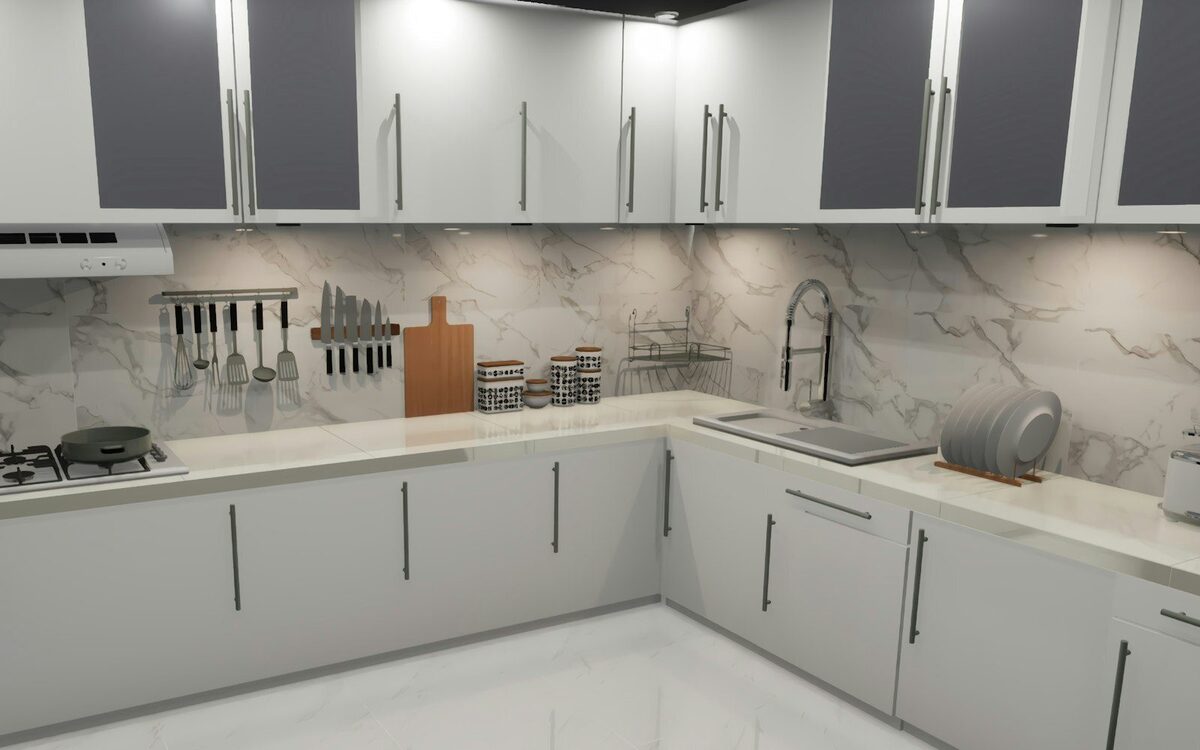
Stand in the kitchen of almost any Rochester home built before 1960 and you'll notice the same thing: it's its own room. A doorway to the dining room, maybe a swinging door, walls on all sides. That's how homes in Maplewood, Brighton, Irondequoit, and the 19th Ward were built — kitchens were workspaces, tucked away from company.
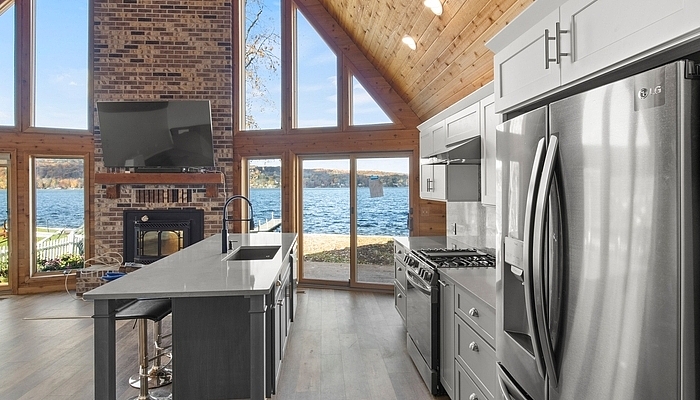
Then spend ten minutes scrolling remodeling photos and you'll see the opposite: kitchens flowing wide open into living and dining space, anchored by a big island. For two decades, "open it up" has been the default answer in kitchen remodeling. But here's the thing we tell Rochester homeowners all the time: open-concept is an option, not a rule — and in our older housing stock, the right answer depends on your house, your habits, and your budget.
So before you assume that wall has to come down, let's walk through how to actually make this decision.
Why Open-Concept Became the Default
The appeal is real, and it's not just a trend. Open layouts earn their popularity for good reasons:
- Whoever's cooking stays connected to family and guests instead of being walled off
- Sightlines to kids doing homework or playing in the next room
- Natural light travels much deeper into the house — no small thing during a gray Rochester winter
- Small and mid-size homes feel dramatically larger
- Entertaining flows naturally, from prep to dinner to lingering over drinks
- Islands add workspace, storage, and casual seating in one move
In a region where we spend five-plus months a year living mostly indoors, that brighter, more connected feeling is worth a lot.
The Case for Defined Spaces (It's Stronger Than You Think)
Lately, designers nationwide have been quietly walking back the "tear down every wall" era — and plenty of homeowners who lived through years of remote work in open floor plans agree. Defined spaces offer real advantages:
- Sound control: the dishwasher and range hood don't compete with the TV or a work call
- Mess control: dinner-party dishes stay out of sight instead of on display
- More walls = more kitchen: walls hold cabinets, pantries, and counters; openings don't
- Cozier rooms: separate spaces can be easier to heat evenly in older, less-insulated homes
- Architectural character: original trim, archways, and proportions are part of what makes Rochester's older homes special
- Smell containment: Friday fish fry stays in the kitchen, not in your couch cushions
What Your Rochester Home Will Tell You
Before taste even enters the conversation, your house gets a vote. In older Western New York homes, a few structural realities shape what's possible and what it costs.
Load-Bearing Walls Are the Big Variable
The wall between a kitchen and dining room in a typical Rochester foursquare or colonial is very often load-bearing. It can almost always be opened — but it means a properly sized beam, posts carried down to the foundation, and engineering. As typical Rochester-market planning figures, removing a non-bearing wall might add $2,000–$5,000 to a project, while opening a load-bearing wall commonly runs $8,000–$20,000+ once you account for the beam, structural work, and rerouting whatever's hiding inside.
What's in That Wall Matters as Much as What's Holding It Up
- Plumbing stacks and vent pipes serving second-floor bathrooms
- Heating ducts or — in many older Rochester homes — radiator piping
- Electrical runs, sometimes including older wiring that needs updating anyway
- Chimney chases that absolutely aren't moving
This is exactly where a design-build firm earns its keep: our designers and build team evaluate these conditions together before the design is finalized, so you're choosing a layout with real numbers attached instead of falling in love with a rendering that blows up the budget in demolition week.
The Middle Path: Semi-Open Layouts
Here's the option a lot of homeowners don't realize they have. You don't have to choose between a sealed-off 1940s kitchen and one giant room. Some of our favorite solutions for Rochester homes live in between:
- A widened cased opening that keeps the rooms distinct but doubles the connection and light
- A peninsula with a partial wall — open above the counter, storage below, mess hidden from the sofa
- Interior windows or glass French doors that share light without sharing noise
- A half-wall with columns that nods to the home's original character
- Opening one wall, keeping the other — connected to the dining room, separate from the living room
Semi-open designs often deliver most of the light and connection of full open-concept at a fraction of the structural cost — and they tend to suit older homes' proportions better.
Questions to Ask Yourself Before Deciding
Forget the photos for a minute and think about how you actually live:
- Who cooks, and do they want company or concentration while doing it?
- How often do you entertain — and is it casual pizza nights or sit-down dinners?
- Does anyone work from home within earshot of the kitchen?
- Are you a clean-as-you-go cook or a "deal with it tomorrow" cook?
- How much do you value your home's original character and trim work?
- Would the money for structural work do more good in cabinets, counters, and appliances?
There are no wrong answers — but your answers should drive the layout, not a trend.
How We Help You Get It Right
As a true design-build firm, Ember Works puts in-house designers and a build team with 60+ years of combined hands-on experience on the same side of the table — yours. We'll look at your home's structure, talk through how your family actually uses the space, and show you options across the spectrum, from refreshing the kitchen within its existing footprint to a full open-concept transformation, with honest numbers for each. If you're going back and forth on whether that wall should stay or go, schedule a consultation with Ember Works and we'll help you figure out what your house — and your life — are really asking for.
Let's Design a Kitchen That Fits How You Live
Open, defined, or somewhere smartly in between — the best kitchen layout is the one that works on a random Tuesday in February, not just in the photos. Let's find yours.
Ignite Your Home's Potential with Ember Works!
Call us today: 585-465-1674
Contact Us: www.emberworksroc.com/contact-us
Ready to Start Your Kitchen or Bathroom Project?
Ember Works is a design‑build firm in Rochester, NY. Our designers and our build team work under one roof, so you get a realistic budget before anything is drawn and one team accountable from the first sketch to the final walkthrough. We design and build custom kitchens and dream primary bathrooms across Rochester, Monroe County, and Western New York, backed by 60 plus years of combined hands-on experience.
‹ Back
Recent Posts
-

Kids' Bedrooms and Nurseries: Remodeling for a Growing Family
September 16, 2026
-

Patio or Deck? Choosing the Right Outdoor Surface for Your Yard
September 13, 2026
-
Deck Stairs and Access: Safety, Code, and Getting the Rise Right
September 10, 2026
-
-

Gutters, Downspouts, and Where Your Roof Water Actually Goes
September 4, 2026