




Website by 
Resources
Kitchen Island Ideas: Storage, Seating, and Smart Design for Rochester Kitchens
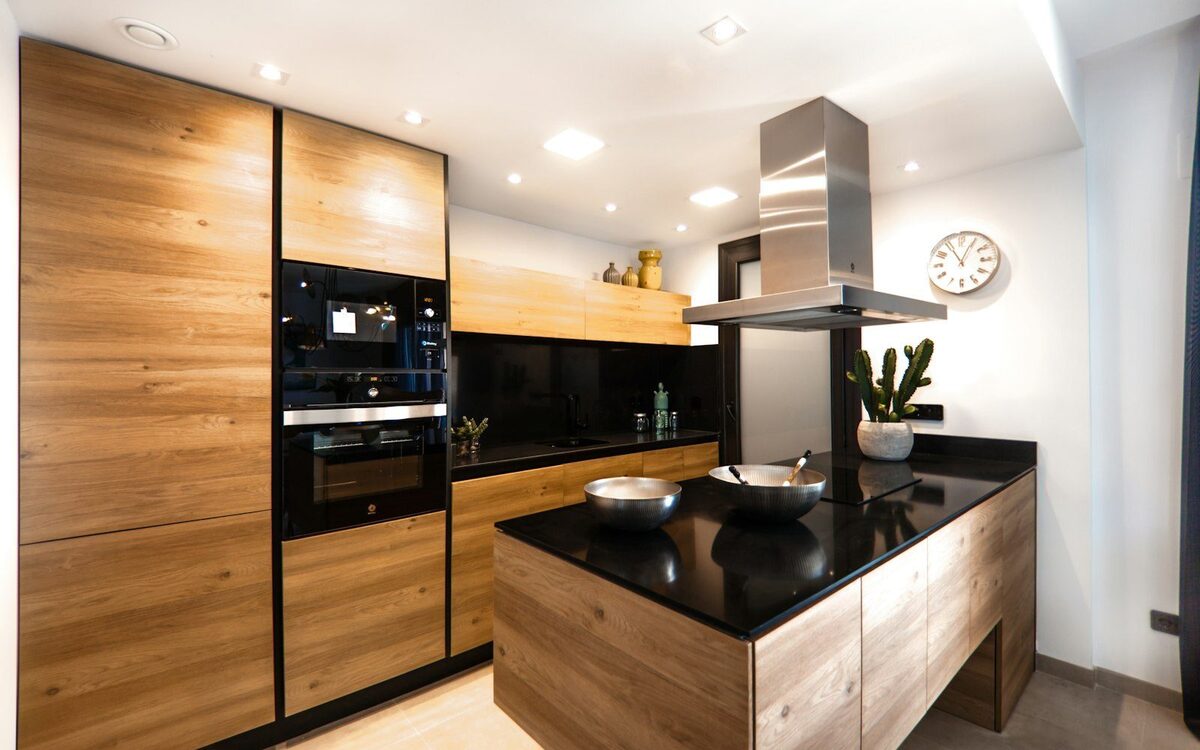
Ask Rochester homeowners what they want most in a kitchen remodel, and one answer comes up again and again: an island. It's where homework gets done, where guests gather while you cook, where the Wegmans bags land on the way in the door, and where half of family life seems to happen. The island has become the modern kitchen's center of gravity.
But here's the thing — a great island is designed, not just purchased. The difference between an island that transforms your kitchen and one that constantly gets in the way comes down to a few inches of clearance, the right mix of storage and seating, and an honest look at how your household actually uses the space. And in Rochester's older homes, where kitchens were often built small and chopped up by doorways, getting an island right takes real planning.
At Ember Works, our in-house designers and build team — with 60+ years of combined hands-on experience — design kitchens and islands as one integrated project. Here's what we've learned about doing islands well.
First Question: Does Your Kitchen Actually Fit an Island?
Before dreaming about waterfall countertops, start with clearances, because they make or break daily life:
- 36 inches minimum of walkway around an island — 42 to 48 inches on working sides with appliances
- A practical island starts around 2 feet by 4 feet; smaller than that, consider a mobile cart instead
- Allow room for the dishwasher, oven, and refrigerator doors to open fully without trapping someone
- As a rule of thumb, an island works best in kitchens roughly 12 feet wide or more
In many older Monroe County homes, the honest answer is that the current kitchen can't fit an island — but the kitchen plus the seldom-used dining room or back hallway absolutely can. Removing or relocating a wall is one of the most common moves in Rochester kitchen remodels, and it's exactly the kind of structural question a design-build team answers early, with engineering and budget on the table at the same time.
Storage: The Island Is Prime Real Estate — Use It
An island can add the equivalent of several cabinets' worth of storage right where you work. The trick is choosing storage that matches its location in the kitchen:
- Deep drawers for pots, pans, and mixing bowls — far more usable than base cabinet doors
- A dedicated trash and recycling pull-out near the prep zone (one of the most-thanked features we install)
- Vertical dividers for baking sheets and cutting boards
- A drawer-style microwave to get it off the counter and out of sight
- Open shelving on an end for cookbooks and everyday items
- Back-side cabinets under the seating overhang for rarely-used serving pieces
- A charging drawer with outlets inside — phones disappear, counters stay clear
Seating: Design for the People, Not Just the Stools
Island seating is where families actually eat breakfast, where kids do homework, and where guests park during parties. Make it genuinely comfortable:
- Allow 24 inches of width per seat — squeezing four stools into three seats' worth of counter helps no one
- Standard counter-height seating (36-inch counter) needs a 12-inch knee overhang; bar height (42 inches) can get by with 10
- Counter height is generally more comfortable and more age-friendly than bar height
- Seating on an end as well as the long side lets people talk face-to-face instead of sitting in a row
- If the overhang exceeds 12 inches, plan for hidden steel supports or corbels
How Many Seats Do You Really Need?
Think about the daily reality: two or three seats that get used constantly beat five that exist for one party a year. If you regularly host big gatherings, a nearby table or banquette handles overflow better than an aircraft-carrier island that crowds the work zones.
Function: What Should Your Island Actually Do?
Every job you assign the island adds plumbing, electrical, or ventilation decisions — so choose deliberately:
- Prep sink — a smaller second sink keeps the main sink free and splits the kitchen into stations; great for households with two cooks
- Main sink and dishwasher in the island — popular for the view it gives you of the room, but it commits the island to cleanup duty (and dish clutter) full time
- Cooktop in the island — sociable, but it requires serious ventilation; downdrafts are mediocre, so plan for a real overhead hood or think twice
- Outlets — code requires them on islands, and you'll want more than the minimum; pop-up and end-panel outlets keep them subtle
- Beverage fridge or wine storage — keeps guests and kids out of the cook's triangle entirely
One quiet technical note for older Rochester homes: an island with plumbing needs proper venting, and an island with appliances needs circuits your current panel may not have to spare. Discovering that during design costs nothing; discovering it during construction costs time and money. It's another reason we keep design and build under one roof.
If you're trying to figure out whether your kitchen can handle the island you're picturing, connect with the Ember Works design team — we'll measure, look at what's behind the walls and below the floor, and lay out your real options.
Style Moves That Make an Island Special
Because it stands alone, the island is the natural place for the kitchen's personality:
- A contrasting cabinet color — deep blue, green, or warm wood against painted perimeter cabinets
- Waterfall countertop ends for a clean, contemporary statement
- Furniture-style legs or corbels that suit the character of an older home
- Two or three pendant lights, scaled to the island's length, on a dimmer
- A butcher block or walnut section for a warm, functional prep zone
- Shiplap, beadboard, or paneled island backs that nod to classic Rochester housing styles
Typical Island Costs in the Rochester Market
As planning ranges — not quotes — for our area:
- A basic island added during a remodel (cabinetry, countertop, electrical): often $5,000–$12,000
- A mid-range island with seating, premium counter, and a prep sink: commonly $12,000–$25,000
- A large statement island with appliances, custom cabinetry, and stone: $25,000–$40,000+
- If a wall must come out to make room, structural work typically adds $5,000–$20,000+ depending on what the wall carries
Within a full kitchen remodel, the island usually represents a meaningful slice of the budget — and almost always one of the most-used results of the entire project.
The Island Is the Kitchen — Let's Design Yours Right
A well-designed island doesn't just add counter space; it reorganizes how your whole kitchen works and how your family gathers in it. Get the clearances, storage, seating, and services right, and it becomes the hardest-working four feet in your house. Whether your Rochester kitchen needs a smart compact island or a full layout rethink to make one possible, our design-build team can take it from idea to installed — one team, one plan, no handoffs.
Ignite Your Home's Potential with Ember Works!
Call us today: 585-465-1674
Contact Us: www.emberworksroc.com/contact-us
Ready to Start Your Kitchen or Bathroom Project?
Ember Works is a design‑build firm in Rochester, NY. Our designers and our build team work under one roof, so you get a realistic budget before anything is drawn and one team accountable from the first sketch to the final walkthrough. We design and build custom kitchens and dream primary bathrooms across Rochester, Monroe County, and Western New York, backed by 60 plus years of combined hands-on experience.
‹ Back
Recent Posts
-

Kids' Bedrooms and Nurseries: Remodeling for a Growing Family
September 16, 2026
-

Patio or Deck? Choosing the Right Outdoor Surface for Your Yard
September 13, 2026
-
Deck Stairs and Access: Safety, Code, and Getting the Rise Right
September 10, 2026
-

-

Gutters, Downspouts, and Where Your Roof Water Actually Goes
September 4, 2026