




Website by 
Resources
How Long Does a Kitchen Remodel Really Take? A Realistic Timeline for Rochester Homeowners
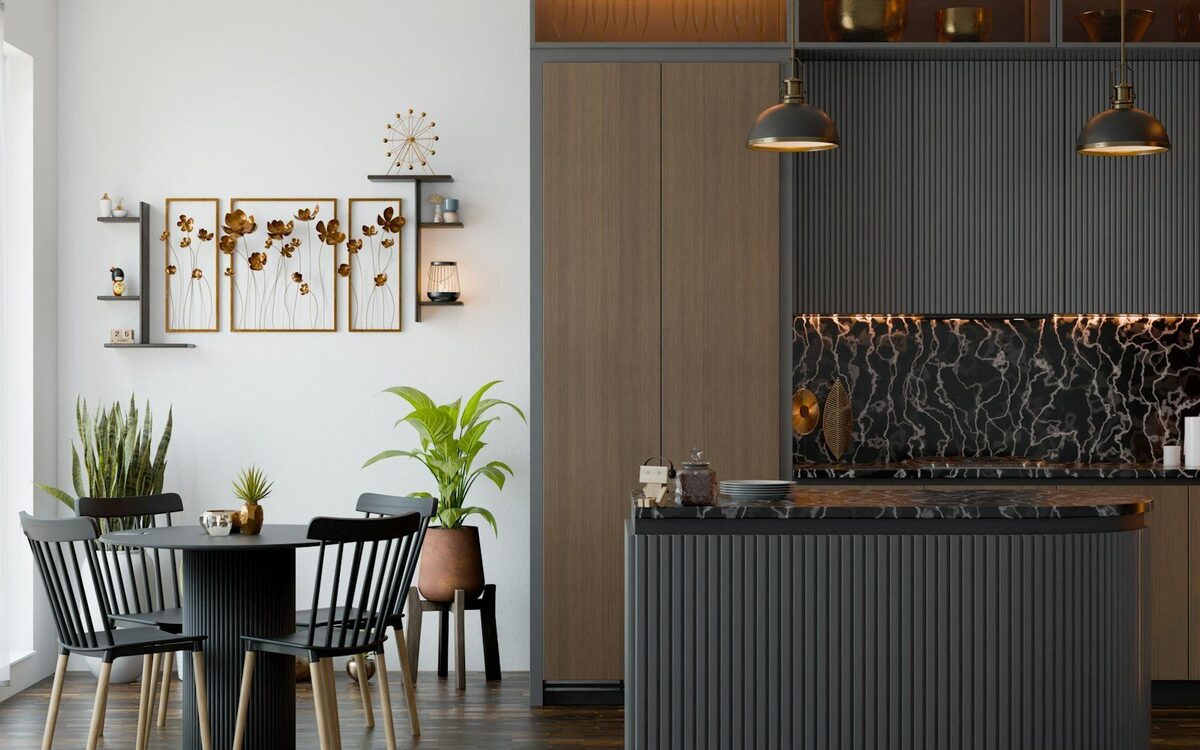
If you ask five Rochester homeowners how long their kitchen remodel took, you'll probably get five very different answers — and at least one horror story about a project that dragged on past the holidays. The truth is, a kitchen remodel doesn't have to be a mystery. When you understand what actually happens at each stage, you can plan around it, set realistic expectations, and avoid the surprises that turn an exciting project into a stressful one.
At Ember Works, we're a true design-build firm, which means our in-house designers and our build team — with 60+ years of combined hands-on experience — work under one roof. That gives us an honest view of where kitchen timelines go right, where they go wrong, and what Rochester homeowners should actually expect from start to finish.
So let's break it down: not the optimistic version, not the worst-case version, but a realistic timeline for a kitchen remodel here in Monroe County and Western New York.
The Short Answer: 3 to 6 Months, Door to Door
For a full kitchen remodel — design through final walkthrough — most Rochester projects land somewhere between 3 and 6 months total. That number surprises people, because the part everyone pictures (demolition, cabinets going in, countertops arriving) is usually only 6 to 10 weeks of it.
The rest is design, selections, permitting, and ordering. Those phases happen before a single hammer swings, and they're exactly where the most important decisions get made. Rushing them is how projects end up over budget and behind schedule.
Phase 1: Design and Planning (4–8 Weeks)
This is where a design-build approach really earns its keep. Instead of hiring a designer, then shopping the plans to contractors, then discovering the design doesn't fit the budget, everything happens in one conversation. During this phase you'll typically work through:
- Initial consultation and on-site measurements
- Layout options and design concepts
- Budget alignment — making sure the plan matches the number
- Material and finish selections
- Final drawings and a detailed scope of work
In older Rochester homes — and Monroe County has plenty of housing stock from the early 1900s through the 1950s — this phase also includes investigating what's behind the walls. Knob-and-tube wiring, galvanized plumbing, and undersized electrical panels are common discoveries, and it's far better to plan for them now than to find them on demo day.
Phase 2: Selections and Ordering (4–10 Weeks, Often Overlapping)
Here's the step that quietly controls your entire schedule: cabinet lead times. Depending on the manufacturer and customization level, cabinets typically take anywhere from 4 to 12 weeks to arrive after ordering. Semi-custom and custom lines sit at the longer end of that range.
Other long-lead items that can hold up a Rochester kitchen include:
- Specialty appliances, especially panel-ready or pro-style models
- Custom range hoods
- Imported tile or specialty stone
- Custom windows or patio doors, if your remodel includes them
- Plumbing fixtures in less common finishes
The good news: this phase overlaps with design and permitting, so the calendar keeps moving. A well-run project doesn't start demolition until the critical materials are in hand or firmly scheduled — that single habit prevents more mid-project stalls than anything else.
Phase 3: Permits (2–4 Weeks)
Most kitchen remodels in Rochester and the surrounding Monroe County towns require permits when you're moving plumbing, modifying electrical, or changing walls. Permit turnaround varies by municipality, but 2 to 4 weeks is a reasonable planning window. If your project involves structural changes — say, opening the kitchen to the dining room by removing a load-bearing wall — expect the longer end, since engineered drawings may be required.
Phase 4: Construction (6–10 Weeks)
This is the part you've been waiting for. A typical construction sequence looks like this:
Weeks 1–2: Demolition and Rough-In
- Protect the rest of the house and set up dust control
- Remove old cabinets, counters, flooring, and (if needed) walls
- Rough plumbing, electrical, and HVAC changes
- Framing for any new openings or layout changes
Weeks 3–4: Inspections, Insulation, and Drywall
- Rough inspections by the municipality
- Insulation — a smart upgrade given Rochester winters
- Drywall hanging, taping, and finishing
Weeks 5–7: The Kitchen Takes Shape
- Paint and ceiling work
- Flooring installation
- Cabinet installation
- Countertop template — then a 1–2 week wait for fabrication
Weeks 8–10: Finish Work
- Countertop installation
- Backsplash tile
- Plumbing and lighting fixtures, appliance hookup
- Hardware, trim, touch-ups, and final inspection
That countertop template-to-install gap catches many homeowners off guard. Fabricators can't template until cabinets are set, so there's always a built-in pause late in the project. A good builder schedules finish work around it so the crew stays productive.
What Makes Rochester Timelines Different
A few local realities are worth planning around:
- Older housing stock. Homes in the city, Irondequoit, Brighton, and the village centers often hide outdated wiring, plaster walls, and out-of-level floors that add days of corrective work.
- Winter logistics. Deliveries, dumpster swaps, and exterior work (like venting a new range hood) all move slower in January than in June.
- Basement and crawlspace access. Rerouting plumbing or electrical is faster when there's open access below — common in many Western New York homes, and a genuine schedule advantage.
- Seasonal demand. Spring and summer are peak remodeling season; starting design in fall or winter often means construction begins sooner.
How to Keep Your Remodel On Schedule
Homeowners have more influence over the timeline than they think. The projects that finish on time almost always share these habits:
- Finalize every selection before demolition starts
- Resist mid-project changes — each one ripples through the schedule
- Respond quickly when your project team needs a decision
- Plan a temporary kitchen setup so daily life doesn't pressure the schedule
- Build a small time cushion into your own expectations, especially in an older home
This is also where the design-build model quietly saves weeks. Because the designers and builders at Ember Works are one team, there's no hand-off gap, no finger-pointing between designer and contractor, and no redesign loop when a detail doesn't work in the field. Questions get answered the same day, not at next week's meeting.
If you're trying to figure out how a kitchen remodel would fit into your family's calendar, reach out to Ember Works for a consultation — we'll map out a realistic timeline for your specific home before you commit to anything.
What About Cost and Timing Together?
Scope drives both. As a frame of reference for the Rochester market, a mid-range full kitchen remodel typically lands in the $50,000–$90,000 range, while larger projects with layout changes, custom cabinetry, and high-end finishes can run $100,000 or more. Smaller refresh-level projects can come in well under that. These are typical local ranges, not quotes — every home and scope is different, which is exactly why the design phase matters.
The bigger the scope, the more the early phases (design, engineering, ordering) stretch — and the more valuable it is to have one accountable team managing all of it.
Ready to Put a Real Date on Your New Kitchen?
A kitchen remodel doesn't have to be an open-ended ordeal. With honest planning, firm selections, and one team handling design and construction, you can know what's happening, when, and why — from the first sketch to the final walkthrough. If a new kitchen is on your list this year, the best time to start the design conversation is now, so construction lands exactly when you want it.
Ignite Your Home's Potential with Ember Works!
Call us today: 585-465-1674
Contact Us: www.emberworksroc.com/contact-us
Ready to Start Your Kitchen or Bathroom Project?
Ember Works is a design‑build firm in Rochester, NY. Our designers and our build team work under one roof, so you get a realistic budget before anything is drawn and one team accountable from the first sketch to the final walkthrough. We design and build custom kitchens and dream primary bathrooms across Rochester, Monroe County, and Western New York, backed by 60 plus years of combined hands-on experience.
‹ Back
Recent Posts
-

Kids' Bedrooms and Nurseries: Remodeling for a Growing Family
September 16, 2026
-
Patio or Deck? Choosing the Right Outdoor Surface for Your Yard
September 13, 2026
-
Deck Stairs and Access: Safety, Code, and Getting the Rise Right
September 10, 2026
-
-

Gutters, Downspouts, and Where Your Roof Water Actually Goes
September 4, 2026