



Website by 
Resources
Aging in Place: Bathroom Designs That Work for Every Stage of Life
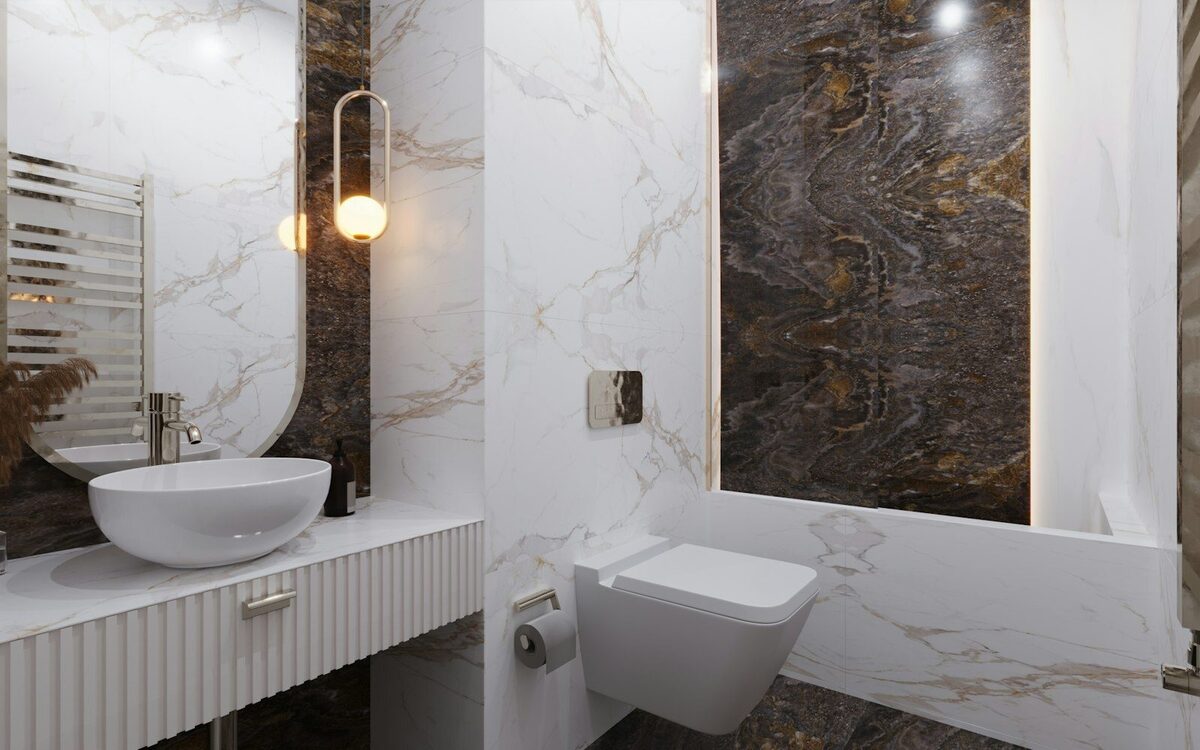
Here's a question worth sitting with: will the bathroom you have today still work for you in fifteen years? For most Rochester homeowners, the honest answer is no. The tub wall you swing a leg over, the slick tile, the doorway that's snug even now — none of it is designed for the realities of changing knees, hips, and balance.
And this isn't just a "someday" conversation. Western New York has one of the more settled populations in the country — people here stay. Many Monroe County families are also welcoming aging parents into their homes, or planning to. Meanwhile, our housing stock skews old: charming colonials and capes from the 1920s–1960s with narrow doorways, small bathrooms, and tub-only bathing.
The smart move is to build accessibility into your next bathroom remodel — whenever it happens and whatever your age. Done well, aging-in-place design doesn't look medical. It looks like a beautiful, modern bathroom that happens to work for everyone, from toddlers to grandparents, for decades.
What "Aging in Place" Really Means
Aging in place is simply designing your home so you can live there safely and comfortably as your needs change — instead of being forced to move because the house can't keep up. The bathroom is ground zero: it's the room where the most falls happen, and the room that most often forces a move when it stops working.
The core principle is universal design — features that work better for every body, at every age. A curbless shower is easier for a 75-year-old with a walker and a 35-year-old carrying a toddler. Good lighting helps aging eyes and everyone at 6 a.m. That's the standard to design to.
The Centerpiece: A Curbless Walk-In Shower
If you change one thing, change this. Replacing a tub or curbed shower with a zero-threshold, curbless shower removes the bathroom's biggest tripping hazard and its biggest barrier to independence.
- No curb to step over — the floor flows continuously into the shower
- Linear drain and properly sloped floor, built into the structure beneath the tile
- A built-in bench for shaving, resting, or showering seated
- Handheld shower on a slide bar, usable standing or seated
- Glass panel or doorless entry wide enough for a future walker or shower chair
- Thermostatic anti-scald valve — skin gets more scald-prone with age
One honest note about our housing stock: curbless showers require recessing the shower pan into the floor structure, and older Rochester homes with dimensional lumber joists need that engineered correctly. It's very doable — it's just a job for a team that understands both the waterproofing system and the framing underneath it.
As a typical Rochester-area range, a quality tub-to-curbless-shower conversion with tile and glass runs about $15,000–$30,000 depending on size and finishes, as part of a larger remodel.
Grab Bars That Don't Look Like Grab Bars
Forget the institutional chrome rails of a hospital bathroom. Today's grab bars come in matte black, brushed gold, and brushed nickel, styled to match your faucet — many double as towel bars and shelves. Two pieces of advice:
- Install solid blocking in the walls during the remodel, everywhere a bar might ever go — shower, tub, beside the toilet. Blocking costs almost nothing behind open walls and makes future bars a ten-minute job
- Mount real grab bars rated for body weight — a towel bar will rip out of drywall the one time it matters
Even if you don't want visible bars today, the blocking is the gift your future self will thank you for.
Floors, Doors, and the Geometry of Independence
Flooring That Grips
- Choose tile with a higher slip-resistance rating, or textured luxury vinyl
- Smaller tiles mean more grout lines — and more traction — in wet zones
- Skip glossy polished surfaces anywhere water lands
- Consider heated floors: a Rochester-winter luxury that also dries the floor faster, reducing slip risk
Doorways and Clear Space
Many older Monroe County bathrooms hide behind 24-inch doors — too narrow for a walker, impossible for a wheelchair. Aging-in-place remodels target 32–36 inches of clear door width, often using a pocket or barn-style door to save swing space, and aim for open floor area that allows a comfortable turning radius. Sometimes that means borrowing a foot from a closet or hallway — exactly the kind of layout problem in-house design teams love to solve.
Fixtures, Counters, and Light: The Supporting Cast
- Comfort-height toilets (17–19 inches) ease sitting and standing for every adult
- Floating or open-front vanities allow seated use and easier reach
- Lever handles on faucets and doors — kind to arthritic hands and full arms alike
- Layered lighting: bright even task light at the mirror, ambient overhead, and a motion-activated night light path — falls love the dark
- Rocker switches and outlets at reachable heights
- Ventilation that actually works, keeping surfaces dry and air healthy
None of these reads as "accessible." All of them read as thoughtful — and through a dim Rochester January, the lighting upgrades alone earn their keep daily.
If you're starting to think about how your bathroom should serve the next twenty years, schedule a design consultation with Ember Works — we'll listen to how you live now, talk honestly about what's ahead, and design a bathroom that handles both beautifully.
What an Aging-in-Place Bathroom Typically Costs
As typical ranges for the Rochester market — every home and scope differs:
- $3,000–$8,000 for targeted safety upgrades within an existing bathroom (bars with blocking, comfort-height toilet, lighting, flooring)
- $25,000–$50,000 for a full remodel with a curbless shower and universal design throughout
- $50,000–$90,000+ when the project includes moving walls, widening doors, or creating a first-floor full bath where one didn't exist
That last item — a first-floor full bathroom — deserves a special mention. In Rochester's many two-story colonials with all bedrooms upstairs, a main-level bath (often paired with a flex room that can become a bedroom) is the single biggest factor in whether someone can stay in their home after stairs become hard. If a remodel is on your horizon anyway, it's worth designing for.
Why Design-Build Matters for This Kind of Project
Aging-in-place work succeeds or fails in the details: blocking placed before drywall, shower pans recessed into old framing, door widths threaded through tight floor plans, waterproofing systems installed exactly to spec. Ember Works designs and builds under one roof — in-house designers working directly with a build team carrying 60+ years of combined hands-on experience in the quirks of Rochester, Monroe County, and Western New York homes. The plan and the execution never lose anything in translation.
Build the Bathroom That Grows With You
The best time to design for the next stage of life is during the remodel you're already planning — not after a fall forces the issue. Let's create a bathroom that's beautiful today, safe tomorrow, and welcoming to everyone who walks (or rolls) through the door.
Ignite Your Home's Potential with Ember Works!
Call us today: 585-465-1674
Contact Us: www.emberworksroc.com/contact-us
Ready to Start Your Kitchen or Bathroom Project?
Ember Works is a design‑build firm in Rochester, NY. Our designers and our build team work under one roof, so you get a realistic budget before anything is drawn and one team accountable from the first sketch to the final walkthrough. We design and build custom kitchens and dream primary bathrooms across Rochester, Monroe County, and Western New York, backed by 60 plus years of combined hands-on experience.
‹ Back
Recent Posts
-

Flooring Face-Off: Hardwood, Engineered, Vinyl Plank, and Tile
October 22, 2026
-
Shower Systems: Valves, Rain Heads, and Body Sprays
October 19, 2026
-
Inside the Cabinets: Pull-Outs and Fittings That Earn Their Keep
October 16, 2026
-
Sump Pumps and Backup Power: Basement Insurance Before Winter
October 13, 2026
-
Shower Waterproofing: The Membrane Behind Your Tile You Never See
October 10, 2026